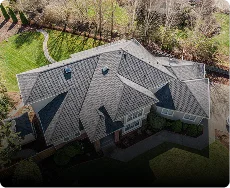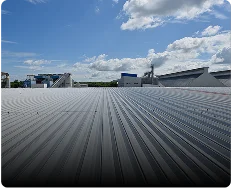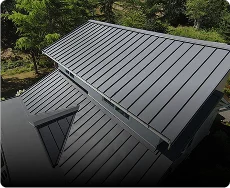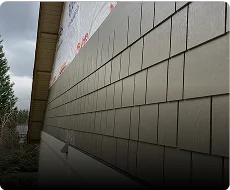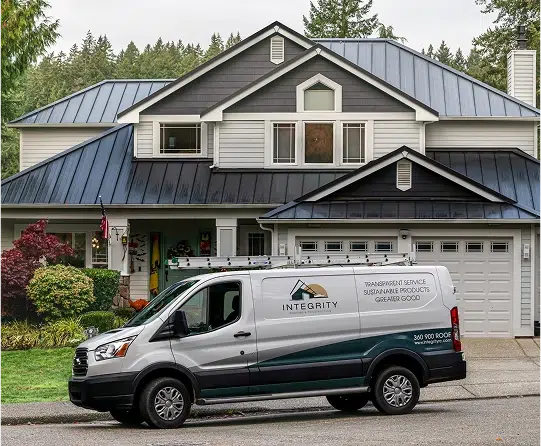




Rain finds the weak spots first, then widens them. A missing shingle, tired flashing, or a clogged valley can turn into stained ceilings, soft sheathing, and moldy insulation. Costs climb as water travels into framing, drywall, and floors. You save money when you act early, because repairs stay small and materials can be dried and reused. At Integrity Roofing & Construction in Seattle, WA, we inspect, explain what failed, and plan repairs that stop the leak at the source.
Small Leaks Spread Fast in a Rainy Climate
A leak that shows as a faint stain today rarely stays small in a place with long wet seasons. Water follows fasteners, laps, and seams, then wicks sideways through felt and underlayment. Each wet cycle loosens adhesives and swells wood fibers. The next storm pushes farther, and soon the stain turns into a soft spot. By the time drips appear at a light fixture, the path has usually crossed several layers. Early repair at the shingle or flashing line keeps damage above the deck. Delay shifts the work below the deck into sheathing, insulation, and interior finishes, which pushes costs up and stretches timelines.
Missing Shingles Let Wind and Water Work Together
A single missing shingle tab opens a road for wind and rain. Water drives under the course above and pools at nail heads. Wind lifts the next shingle, snaps more sealant bonds, and repeats the cycle. What starts as a hand-sized gap can turn into a patch the width of a bundle after one rough week.
Fast action replaces the shingle, re-seals the course, and protects the underlayment before it ages under the sun and standing water. Waiting allows UV to harden exposed felt, so it tears when nailed. At that point, a simple tab swap becomes a multi-course repair with new underlayment and starter, which requires more labor and material.
Poor Ventilation Feeds Condensation and Rot
Ventilation problems hide longer than leaks, yet they can cause wider harm. Warm indoor air rises into a cool attic and drops moisture on the underside of the deck. Nails frost on cold nights and weep during mild afternoons. That cycle wets the first few plies of plywood and invites surface mold on rafters. Bath fans that end in the attic make this worse, as do blocked soffit vents and short ridge vents.
Early fixes focus on balanced intake and exhaust, sealed bath ducts to the exterior, and baffles that keep airflow paths open above insulation. If you wait until the plywood waves between rafters or shingles show telegraphing lines, you are now discussing partial redecking rather than a quick vent tune.
Flashing Gaps Grow With Each Storm
Most leaks start at edges and penetrations. Step flashing behind siding that sits too low, skylight curbs that lack crickets, or chimney saddles with shallow height all act like small dams. Water backs up and looks for a side exit. The longer the condition sits, the more debris lodges at the weak point and the more stained the framing becomes. A timely repair lifts cladding, resets flashing heights, adds counter flashing where needed, and seals the membrane to a clean, dry curb. A late repair often reveals rotten sheathing and stained drywall, which call for interior patching and painting, along with exterior work.
The Domino Effect Inside: Plywood, Insulation, and Drywall
Roof leaks rarely stop at the deck. Once water reaches batts or blown-in insulation, it compresses the fibers, reducing the R-value. Wet insulation then holds moisture against drywall, which sags or bubbles at tape joints. Stretch this across a few storms, and you add odor and staining that need more than primer. Floors below can cup if leaks run down the wall cavities and pool on the hardwood. Acting early contains work to the exterior plane. Delay brings a second crew inside for removal, drying, and finish repairs, which multiplies the cost far beyond the shingle count.
Early Repair vs. Delayed Repair: A Simple Cost Picture
Numbers help you decide when to act. Replacing a few damaged shingles or resetting a short run of step flashing often costs between $250 and $650, including sealant and a quick check of nearby fasteners. Adding a small cricket at a skylight or chimney might cost between $600 and $1,200, depending on access and finish work.
Waiting until water stains a ceiling can push the total to $1,500 to $3,000 when you include drywall patching, primer, and paint. If moisture-warped sheathing or fungal mold across a bay, partial redecking, ventilation fixes, and remediation can reach $3,500 to $8,000 or more. These ranges vary by home and access, yet the pattern holds. Small, exterior-only roof repair costs far less than combined exterior and interior repair.
Gutters and Valleys Decide Where Water Goes
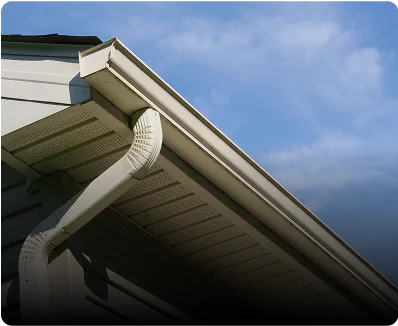
Clogged gutters and tight valleys do not create rain; they shape it. When outlets choke, water jumps the back edge and runs behind fascia into soffits. Valleys that pinch under a dormer collect needles and grit, then hold water long enough to find a nail. Early attention keeps flow lines open. A shaped diverter at a high wall, a slightly raised valley metal with hemmed edges, and clean outlets prevent backflow during wind-driven rain. If neglected, soffit plywood softens, gutter spikes loosen, and fascia sections need replacement, along with roof work.
When a Patch Is Not Enough
There is a point where patching stops saving money. Granule loss across broad areas, curled tabs, or widespread blisters signal aging shingles that will not hold nails well. On low-slope roofs, cracks at laps or widespread alligatoring tell a similar story. A patch on a worn field behaves like a bandage on tired fabric. You may gain a season, yet you risk chasing new leaks around the perimeter of every patch. A focused replacement of a section or a full surface makes better use of labor and brings warranties back into play. Acting at this stage prevents chronic interior damage that would add drywall, insulation, and paint to the budget each rainy season.
Insurance, Documentation, and Timing
Some water events involve insurance, so documentation matters. Photos of the roof area, the interior stain, and any damaged materials create a simple record. Invoices that list exact work help adjusters link the repair to the cause. Acting early strengthens your claim that you have limited loss. Waiting undercuts that claim and can leave parts of the bill out of coverage. Even if you do not file a claim, clear records help if you sell the house later. Buyers like to see roof work handled before it spreads indoors.
Why Hiring a Professional Inspection Pays for Itself
A trained eye sees where water will go next. A short visit can spot nail pops that have not leaked yet, low counter flashing that will backflow during wind, or a valley that is cut too tight to shed debris. Moisture meters find damp decking before a foot goes through it.
In the attic, a flashlight at sunrise often reveals frost lines and rusty nail tips you would never notice in the afternoon. The cost of that inspection is small compared with the cost of drywall repair and paint after a ceiling stain. It also puts real numbers in your hands so you can plan work in the right order.
Fix It Early and Keep Costs Down
Roof problems do not stay put in a wet climate. Fast action limits repairs to shingles, flashings, vents, and gutters instead of decking, drywall, and flooring. Our commercial and residential roofers handle targeted leak repairs, roof inspections, flashing and valley work, skylight reseals, and gutter and downspout upgrades that move water away from the house. Our team documents what we find and walks you through a clear scope so you know where every dollar goes. Ready to stop a small problem from turning into a major project? Schedule your roof evaluation with Integrity Roofing & Construction today.