



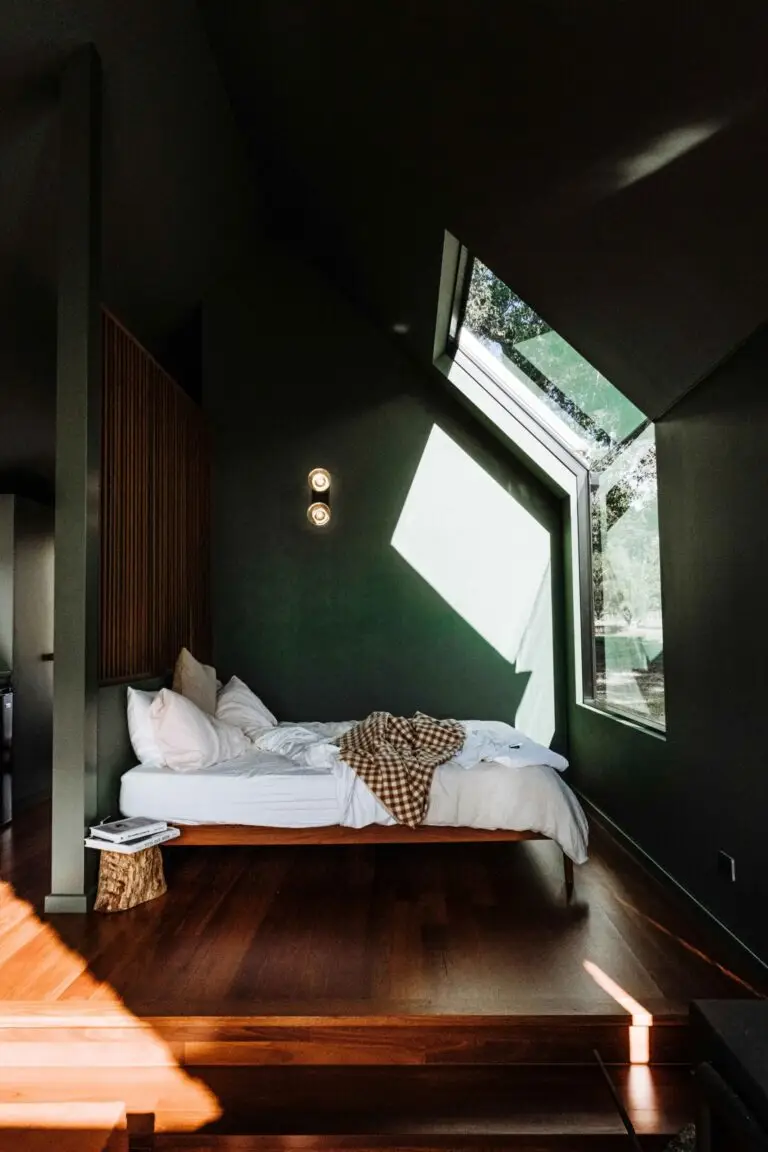
Greater Seattle is not known for its abundance of winter sunlight. From November through March, overcast skies and low light levels are the norm, which makes every source of natural light inside the home more valuable. A properly installed skylight transforms the character of a room, bringing in diffused natural light that no artificial lighting system can fully replicate, improving ventilation, and creating a connection between interior living spaces and the sky above.
Integrity Roofing & Construction installs skylights throughout Greater Seattle, with the same attention to flashing, waterproofing, and integration with the roofing system that defines all of our work. In a climate where water management is everything, proper skylight installation is the difference between a feature that enhances your home for decades and one that creates ongoing leak problems.
Schedule your free skylight consultation with Integrity Roofing & Construction today.
Skylight Types and Options
Fixed Skylights
Fixed skylights don’t open, they’re designed purely to admit natural light. They’re the most common type for main living spaces, hallways, and rooms where light enhancement is the primary goal without the need for ventilation. They come in a range of sizes and glazing options, including low-E glass that controls heat gain while maximizing visible light transmission.
Venting Skylights
Venting skylights open to allow fresh air and warm air to escape through the roof, providing both natural light and ventilation. They’re particularly popular in kitchens and bathrooms, where steam and cooking odors benefit from direct ventilation. Electric models can be set to close automatically when rain is detected.
Tubular Skylights (Sun Tunnels)
Tubular skylights use a small roof-mounted dome connected to a reflective tube that channels natural light into interior spaces, including rooms below the roofline, interior hallways, and closets where a full skylight installation isn’t practical.
Custom and Specialty Skylights
For architectural applications, large spans of glass, unusual roof angles, or custom shapes, we work with specialty skylight systems configured to the specific installation. Custom skylights require precise structural integration and flashing detail that our team is experienced in executing correctly.
Why Skylight Installation Requires Expert Roofing Knowledge
Every skylight is a penetration through the roof — and in Greater Seattle’s climate, every penetration is a potential water intrusion point. The quality of the flashing and waterproofing integration between the skylight frame and the roofing system determines whether the installation performs for decades or develops leaks within a few years.
We integrate skylight installations into the roofing system as a whole, not as an afterthought. Curb flashing, step flashing, and counterflashing are all installed and sealed to the same standard we apply to the rest of the roof. Every skylight installation is backed by our 20-year workmanship warranty.
Common Skylight Problems in Greater Seattle — and How We Fix Them
Flashing Failures and Leaks
The most common skylight problem in Greater Seattle is leaking, almost always the result of failed or improperly installed flashing, not a defect in the skylight itself. When we replace or repair skylights with a history of leaking, we remove all existing flashing, inspect the surrounding decking for moisture damage, and reinstall with properly sequenced flashing.
Condensation on the Glazing
Interior condensation on skylight glazing is common in Greater Seattle’s humid winters. In most cases, this is a ventilation issue — warm, humid interior air contacts the cold glazing surface and condenses. Venting skylights reduce this effect, and modern low-E glazing reduces the temperature differential that drives condensation.
Aged or Cracked Skylights
Older skylight systems, particularly those with acrylic domes, become brittle and discolored over time. Replacement with modern glass-glazed skylights improves both light quality and long-term durability.
Solar Heat Gain in Summer
In the brief but warm Greater Seattle summers, south- and west-facing skylights can contribute to uncomfortable heat gain. Low-E glass coatings, solar shades, and appropriate orientation during the design phase all manage this issue.
Frequently Asked Questions About Skylights in Greater Seattle
Will a skylight leak in Seattle’s rainy climate?
A properly installed skylight with correct flashing and integration into the roofing system does not leak — regardless of rainfall volume. The reputation skylights have for leaking comes almost entirely from improper installation. Our skylight installations are backed by our 20-year workmanship warranty.
What is the best skylight for a Pacific Northwest climate?
We recommend fixed or venting skylights with tempered or laminated glass, low-E coatings, and appropriate sizing for the room. Venting skylights are particularly useful in the Pacific Northwest for managing interior humidity. We’ll walk you through the options during your free consultation.
Do skylights increase home energy bills?
Modern skylights with low-E glass coatings are designed to minimize heat loss in winter and heat gain in summer. When properly specified and installed, a skylight can reduce the need for artificial lighting during daylight hours.
Can a skylight be added to any roof?
Most roof types can accommodate a skylight installation, but the approach depends on the roof pitch, framing, and material. We assess feasibility during the free consultation.
How long does skylight installation take?
Most skylight installations are completed in one day. Larger custom installations or projects that require framing modifications may take two days.
Bring natural light into your home, contact Integrity Roofing & Construction for a free skylight estimate in Greater Seattle.