

By Nathan Maille
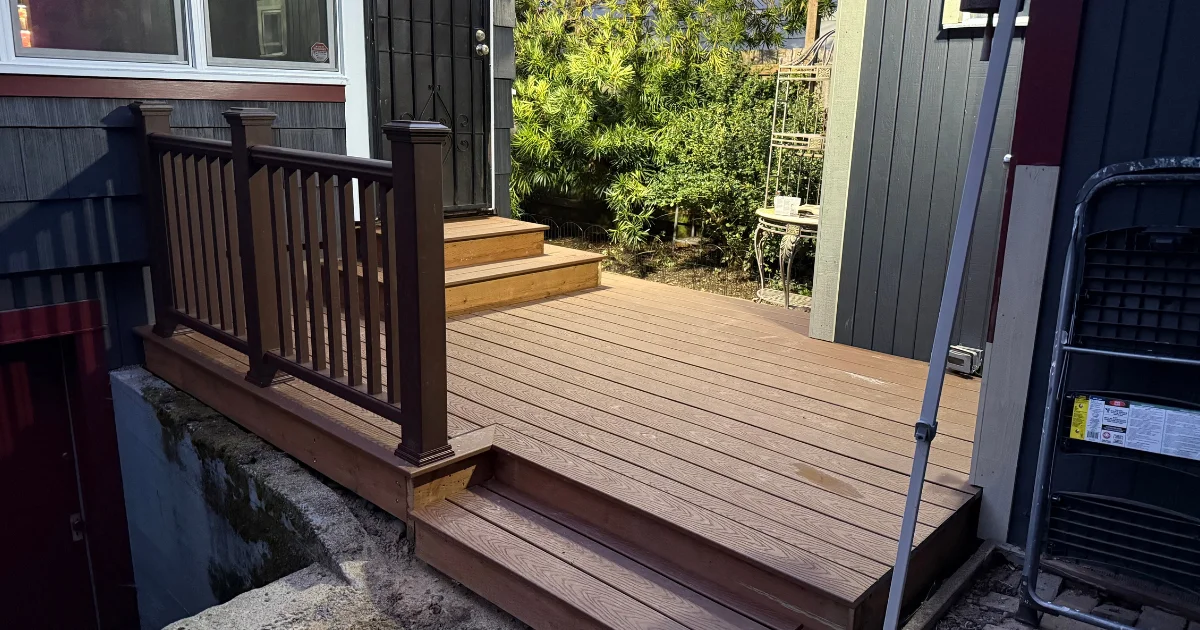
Decks in the Pacific Northwest take a beating year-round. Constant rain, moisture buildup, and limited drying time create conditions that accelerate wear and structural failure. For homeowners in Kitsap County, a deck may look fine on the surface while hidden damage is already developing underneath. At Integrity Roofing & Construction, deck inspections often reveal moisture-related issues that started years earlier and were never visible from above.
Understanding why decks fail in the Pacific Northwest helps homeowners in Kitsap County make better decisions before small issues turn into major structural repairs.
The Most Common Reasons Decks Fail
Deck failures are rarely caused by one single issue. In most cases, it’s a combination of moisture exposure, poor construction details, and lack of maintenance.
The most common causes include:
- Water intrusion at connection points
- Improper flashing where the deck meets the home
- Poor drainage and standing water
- Wood-to-ground or wood-to-concrete contact
- Inadequate ventilation beneath the deck
These issues allow moisture to sit where it should not. Over time, that leads to rot, fastener failure, and structural weakening, especially when homeowners do not understand how moisture exposure leads to wood decay and structural failure.
If your deck is showing signs of wear or has not been inspected in years, it is worth taking a closer look before small issues turn into structural problems.
Ledger Board Failure Is the Biggest Risk
One of the most critical components of any deck is the ledger board. This is the piece that connects the deck directly to your home.
When installed incorrectly, it becomes one of the most common failure points.
Problems we frequently see on job sites include:
- Missing or improperly installed flashing
- Water getting trapped between the ledger and the home
- Rotting sheathing behind the connection point
- Loose or failing fasteners
This is not a rare situation. We regularly inspect decks in Kitsap County where the ledger board has begun to rot, even though the deck surface still looks solid. Once that connection weakens, the entire structure is at risk.
Proper flashing and spacing are critical to preventing water from sitting in this area.
Moisture and Drainage Issues Build Over Time
In the Pacific Northwest, moisture does not just hit your deck and disappear. It lingers.
When water cannot drain properly, it collects on surfaces and seeps into joints, fastener holes, and wood grain. Over time, this leads to:
- Wood rot
- Mold and mildew growth
- Warping and cracking
- Reduced structural strength
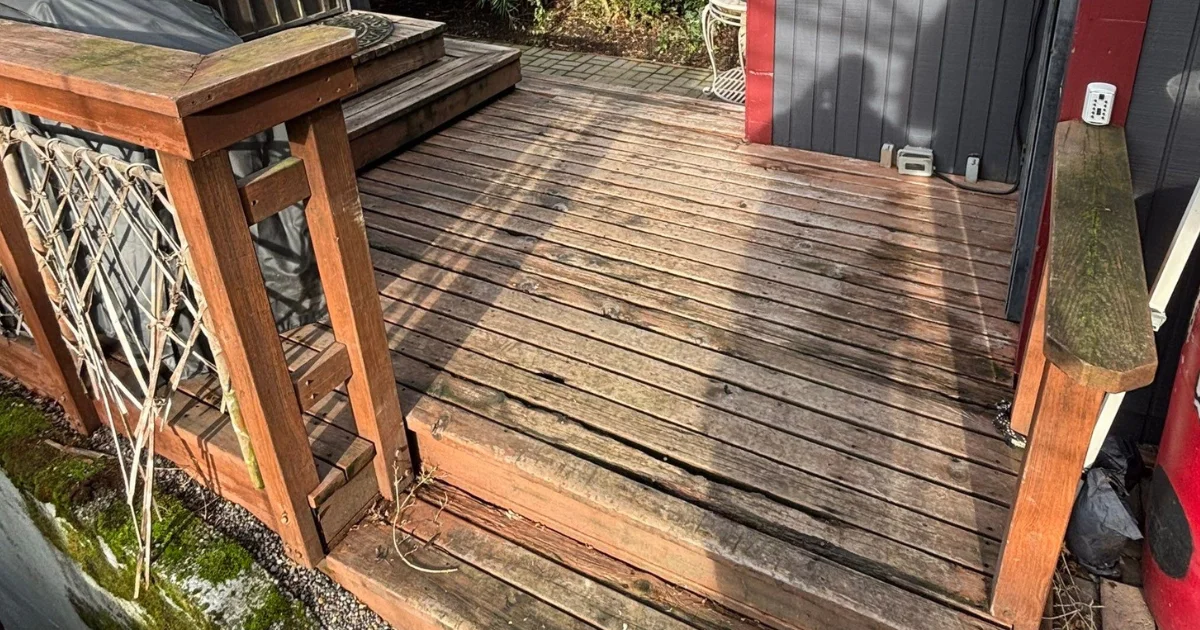
Decks without proper spacing between boards or without a drainage strategy are especially vulnerable. Even composite decking can trap moisture underneath if the framing system does not allow for airflow.
Studies on exterior wood structures show that proper drainage and ventilation significantly reduce the risk of long-term moisture damage and structural deterioration in decks exposed to wet climates.
Fasteners and Hardware Can Fail Too
It is not just the wood that fails. The hardware holding your deck together is just as important.
In wet environments like the Pacific Northwest:
- Nails and screws can corrode
- Joist hangers can weaken
- Connectors can loosen over time
When fasteners fail, the structure becomes unstable even if the wood appears intact. On many inspections, the framing still looks usable at first glance, but once we check the hardware, there is clear corrosion that is already compromising the structural integrity.
Using the right materials, such as galvanized or stainless steel fasteners, is critical in preventing this type of failure.
Lack of Maintenance Speeds Everything Up
Even a well-built deck requires maintenance to perform long term.
Common maintenance issues include:
- Failing to clean moss and debris
- Not resealing or protecting wood surfaces
- Allowing leaves and dirt to trap moisture
- Ignoring early signs of wear
Moss and organic buildup are especially common in Kitsap County and across the Pacific Northwest. These materials hold moisture against the surface, accelerating deterioration.
Regular cleaning and sealing can significantly extend the life of your deck.
How to Prevent Deck Failure in the Pacific Northwest
Preventing deck failure in the Pacific Northwest comes down to proper construction and ongoing care.
Key prevention strategies include:
- Installing proper flashing at all connection points
- Ensuring adequate drainage and spacing between boards
- Using moisture-resistant materials when possible
- Allowing airflow beneath the deck
- Scheduling regular inspections
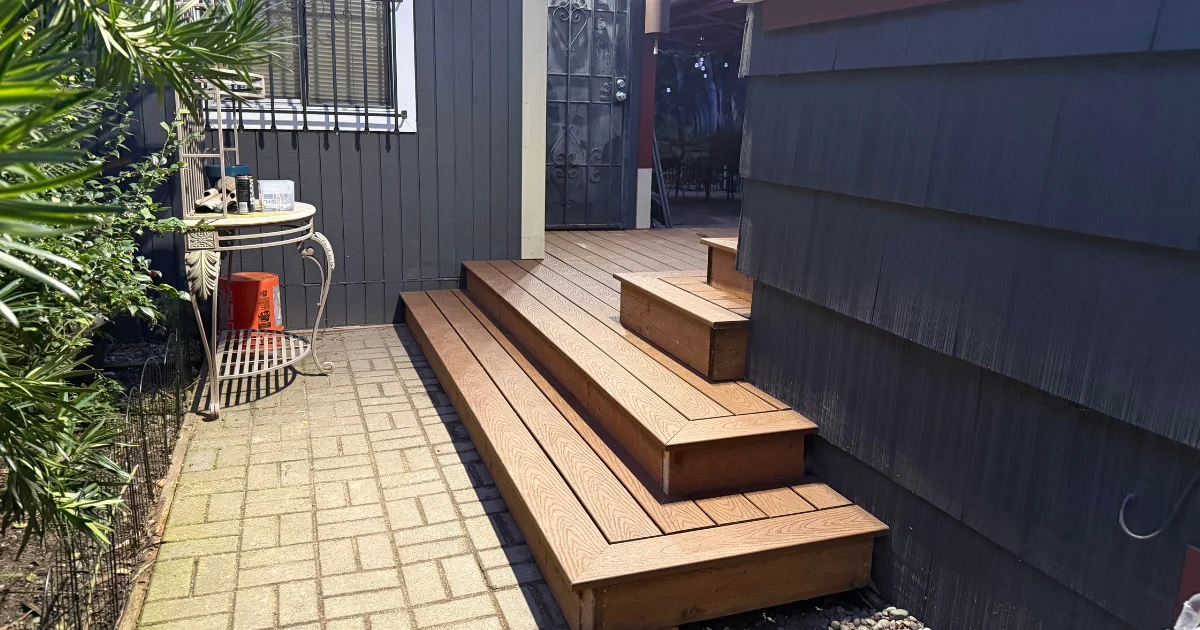
At Integrity Roofing & Construction, deck projects are built with moisture management in mind from the start. That means focusing on what is happening underneath the surface, not just how the deck looks when it is finished.
Signs Your Deck May Already Be Failing
Because many deck issues are hidden, it is important to watch for warning signs.
These include:
- Soft or spongy areas when walking on the deck
- Loose railings or movement in the structure
- Visible rot or discoloration
- Rusted or corroded hardware
- Gaps widening between boards
If you notice any of these, it is time to have your deck inspected.
Protect Your Deck Before Problems Get Worse
Small deck issues do not stay small in the Pacific Northwest. Moisture damage spreads quickly, and what starts as minor rot or drainage problems can turn into structural failure if ignored. If your deck is aging, showing signs of wear, or has not been inspected recently, now is the time to take action.
At Integrity Roofing & Construction, we help homeowners throughout Kitsap County identify hidden deck issues and build systems designed to handle long-term moisture exposure.
Give us a call at 360-900-7663 or fill out our online form to schedule your deck inspection and get a clear understanding of your structure before small problems become costly repairs.