

By Kes Anderson
A roof can be installed flawlessly and still end up leaking. That is one of the most frustrating and misunderstood issues in roofing. Homeowners assume a callback means something was done wrong with the shingles, but that is not always the case.
The real issue is usually hidden beneath the surface. It comes down to roof water management problems. If water is not being properly directed off and away from the home, even the best roofing system will eventually fail.
If you are dealing with repeat issues or want to avoid them entirely, understanding roof water management problems is critical.
A Roof Is a System, Not Just Shingles
Most people judge a roof by what they can see. Clean lines, straight shingles, and a finished look. But shingles are only one part of a much larger system designed to control water.
A complete roofing system includes:
- Underlayment that acts as a secondary moisture barrier
- Flashing that protects seams and transitions
- Ventilation that prevents internal moisture buildup
- Drainage systems that move water off the roof
Moisture movement within roofing systems is a major contributor to premature roof failure. Roof water management problems begin when one of these components is missing, rushed, or not integrated properly. This is where even “good” roofs quietly fail.
Why Roof Water Management Problems Cause Callbacks
This is where most callbacks actually come from.
The roof may look perfect on day one. It may even perform well during light rain. But once heavy or consistent moisture hits, weaknesses in water control start to show.
The most common roof water management problems include:
- Missing or improperly installed flashing
- Poor roof to wall transitions
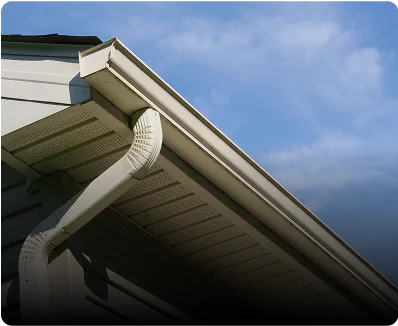
- Gutters that cannot handle water volume
- Downspouts that do not move water far enough away
- Valleys where water slows down or collects
These are not always installation mistakes. Often, they are oversights in how the full system works together. That is why roof water management problems are one of the leading causes of callbacks on otherwise high quality roofs.
The Areas Where Roofs Quietly Fail
There are specific points on every roof where water is more aggressive. If these areas are not handled correctly, problems will develop.
Flashing Points
Anywhere the roof meets something else is a high risk area. Chimneys, walls, skylights, and vents all rely on properly installed flashing. If flashing is even slightly off, water will bypass the shingles entirely.
Roof Valleys
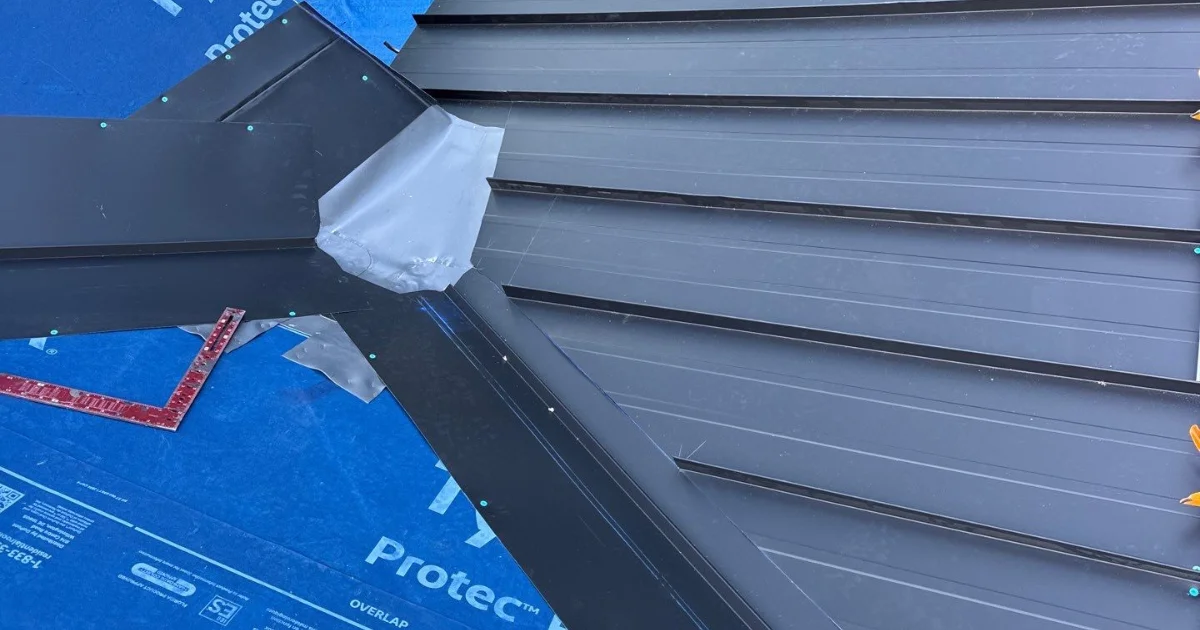
Valleys handle a high volume of water during rain. If they are not designed or installed correctly, water can slow down, pool, or push under materials.
Roof to Wall Transitions
This is one of the most common failure points. Water running down a wall meets the roof and must be redirected properly. Without correct flashing and layering, water intrusion becomes inevitable.
These are the exact locations where roof water management problems start, even when everything else looks right.
Drainage Is Where Good Roofs Break Down
You can install a perfect roof, but if water is not leaving the system properly, issues will follow.
Drainage problems are a major driver of callbacks, including:
- Gutters that overflow during heavy rain
- Debris buildup that blocks water flow
- Downspouts that discharge too close to the home
- Sections of roof where water consistently runs in the same path
In high rainfall areas, this becomes even more important. Constant exposure to moving water will wear down weak points over time. This is how small roof water management problems turn into active leaks.
Not All Water Comes From the Outside
One of the most overlooked roof water management problems starts inside the home.
Poor ventilation allows warm, moist air to rise into the attic. When that air hits a cold roof surface, it turns into condensation. This moisture can:
- Soak into insulation
- Damage roof decking
- Lead to mold growth
- Appear as a roof leak
This is why some homeowners experience leaks even after a new roof installation. The issue is not the roof surface. It is how moisture is being managed inside the system.
How to Avoid Roof Water Management Problems
Avoiding callbacks comes down to treating the roof as a full system, not just a surface.
Build the Full System, Not Just the Roof
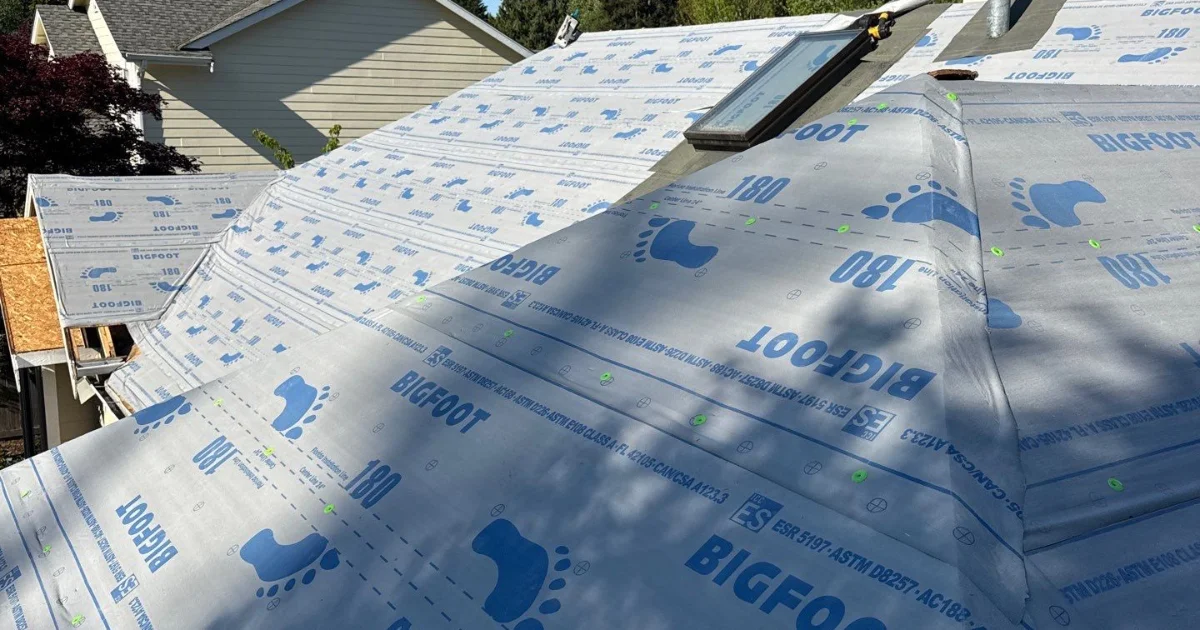
Every layer matters. Underlayment, flashing, ventilation, and drainage must all work together. Skipping details in any of these areas creates long term risk.
Pay Attention to High Risk Areas
Flashing, valleys, and transitions need extra attention. These are not secondary details. They are where most failures begin.
Keep Water Moving
Water should never slow down or sit on your roof. Clean gutters, clear valleys, and proper drainage paths are essential to preventing roof water management problems.
Make Ventilation a Priority
Balanced airflow prevents condensation and protects the structure from the inside out.
Inspect After Installation
A roof should always be checked after installation and after major weather events. Early detection is the best way to stop roof water management problems before they lead to callbacks.
This Is What Separates a Roof That Lasts From One That Doesn’t
Two roofs can look identical from the ground and perform completely differently over time.
The difference is not the shingles. It is how water is managed at every point of the system.
Roof water management problems are responsible for a large percentage of callbacks in the roofing industry. They are also one of the most preventable issues when the system is designed and maintained correctly.
Where Most Homeowners Get Caught Off Guard
Most homeowners do not think about flashing, drainage, or ventilation until there is a problem. By the time signs appear, water has often already made its way into places it should not be.
If you have experienced repeat leaks, inconsistent performance, or unexplained moisture issues, there is a strong chance roof water management problems are the root cause.
The sooner these areas are identified and corrected, the easier it is to prevent ongoing damage and avoid repeated repairs. At Integrity Roofing and Construction, we want to help you. Give us a call or fill out our online form.