



 By Kes Anderson
Most homeowners think a roof is just shingles.
If it looks good from the outside, it must be doing its job, right?
Not exactly.
A roof is actually a multi-layered system, and the biggest problems we see across Tacoma and the Puget Sound don’t start with shingles, they start underneath them.
Understanding the layers of a roofing system helps you protect your home, avoid costly mistakes, and make smarter decisions when it’s time for repairs or replacement.
What Makes Up a Roofing System?
A roofing system is made up of multiple components that work together to protect your home from water, air, and temperature changes.
Each layer plays a specific role. If one fails, it can impact everything else.
This is why two roofs can look identical from the outside, but perform completely differently over time.
The Key Layers of a Roofing System
1. Roof Deck (The Structural Foundation)
The roof deck is the base of your entire roofing system.
Typically made from plywood or OSB, it provides the structural support that everything else is attached to.
When we tear off old roofs in Western Washington, it’s not uncommon to find:
- Soft or rotted decking
- Water-damaged sheathing
- Areas weakened from long-term leaks
Once the deck is compromised, the rest of the system has nothing solid to rely on.
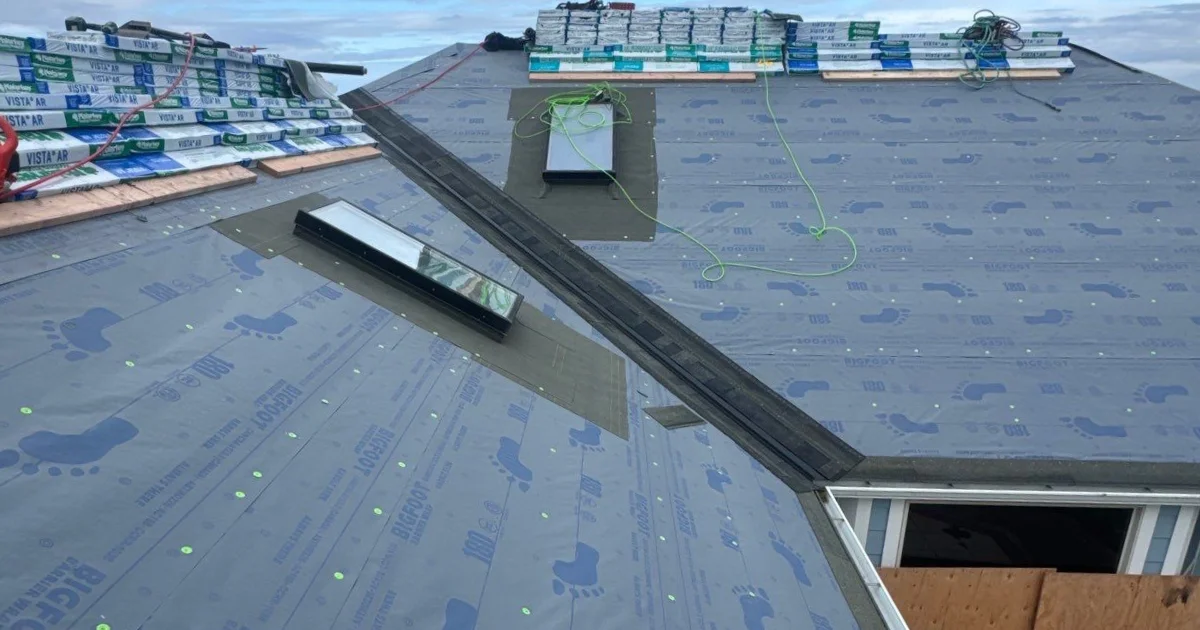
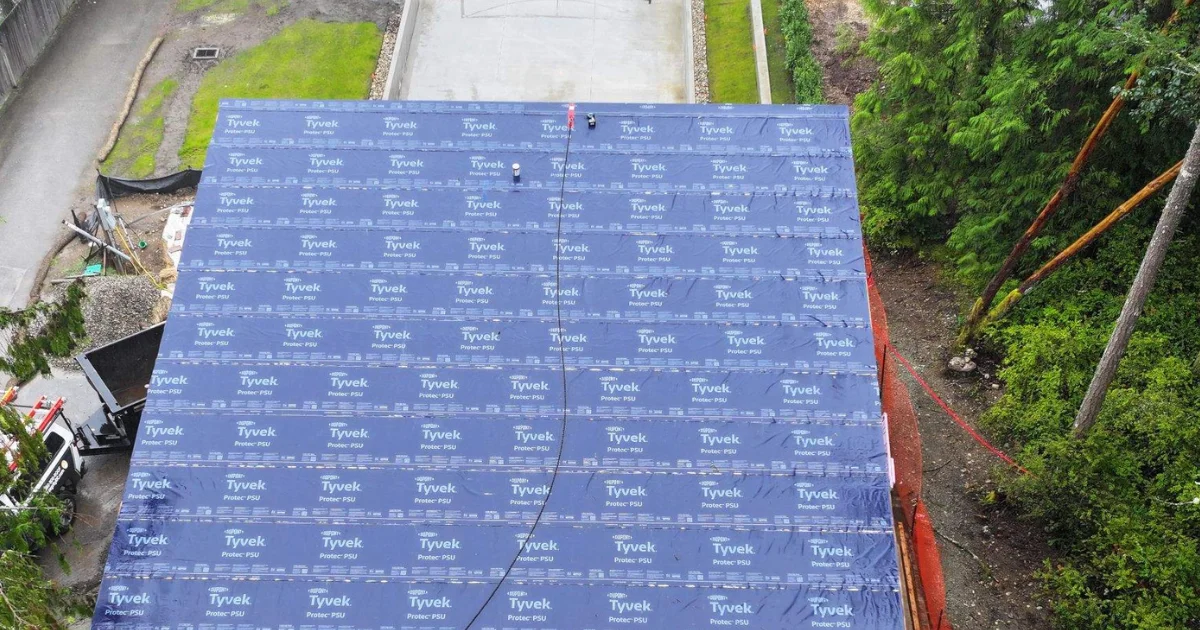
2. Underlayment (Your Secondary Water Barrier)
Installed directly over the roof deck, underlayment is one of the most important layers in your roofing system.
Its job is simple: keep water out if shingles fail.
Traditional felt paper has been used for years, but modern synthetic underlayments offer:
- Better tear resistance
- Improved water protection
- Longer exposure durability
In the Puget Sound climate, where rain is consistent and moisture exposure is high, this layer becomes even more critical.
If water gets past your shingles, this is what stands between your home and a leak.
3. Ice and Water Shield (Critical Leak Protection)
This is a self-adhering waterproof membrane installed in high-risk areas.
We typically install it in:
- Valleys
- Roof edges
- Around vents and penetrations
These are the areas where water naturally collects or slows down.
Without proper protection here, leaks don’t just happen, they’re expected.
This is especially important in Western Washington homes where heavy rain and debris buildup can trap moisture on the roof.
4. Flashing (Where Most Leaks Actually Start)
Flashing is one of the most overlooked parts of a roofing system and one of the most common failure points.
It’s installed anywhere your roof meets:
- A wall
- A chimney
- A skylight
- A valley
If flashing is missing, poorly installed, or deteriorated, water will find its way in.
We often see leaks that homeowners blame on shingles, when the real issue is failed flashing.
5. Ventilation System (What Most Roofs Get Wrong)
Roof ventilation is critical, but often overlooked.
A proper system includes:
- Intake vents (bringing air in)
- Exhaust vents (pushing air out)
The U.S. Department of Energy explains that proper ventilation helps control moisture and improve energy efficiency, making it a critical part of a complete roofing system.
This airflow helps regulate temperature and moisture levels.
Without proper ventilation, you can run into:
- Mold growth in the attic
- Higher energy bills
- Shingles wearing out faster
- Moisture buildup that damages the roof from the inside
6. Shingles (The Outer Layer Everyone Sees)
Shingles are the visible layer and your first defense against the elements.
They protect against rain, wind, and UV exposure.
But here’s the key point: Shingles are only as good as what’s underneath them.
You can install the best shingles on the market, but if the layers below them are compromised, your roof will still fail.
Why Roofing System Layers Matter More in the Puget Sound
Homes in the Puget Sound deal with a unique combination of:
- Frequent rain
- High humidity
- Moss and debris buildup
- Limited drying time between storms
This means your roofing system doesn’t just need to shed water, it needs to manage moisture consistently over time.
When one layer fails in this environment, problems tend to escalate faster than homeowners expect.
What This Means for Your Home
Understanding the layers of your roofing system changes how you think about roof repairs and replacements.
It’s not just about fixing what you see, it’s about protecting what you don’t.
When all layers are working together properly, your home stays dry, energy efficient, and structurally sound.
But when corners are cut, whether it’s skipping proper underlayment, poor flashing installation, or inadequate ventilation, the risk of hidden damage increases.
What starts as a small issue can turn into:
- Interior leaks
- Insulation damage
- Mold growth
- Structural repairs
The difference between a roof that lasts 30 years and one that fails early often comes down to how well these layers were installed.
Make the Right Decision When Replacing Your Roof
If you’re planning a roof replacement, this is your opportunity to get the full system right.
Ask questions about:
- Underlayment type
- Ventilation design
- Flashing details
- Deck condition
If a contractor only talks about shingles, you’re not getting the full picture.
At Integrity Roofing & Construction, we focus on the entire system because that’s what actually protects your home.
Protect Your Home From the Layers You Can’t See
Your roof is more than just shingles, it’s a system designed to protect your home from the inside out.
The layers beneath the surface are what prevent moisture damage, improve efficiency, and extend the life of your roof.
If you’re unsure about the condition of your roof or want to make sure your next replacement is done right, we can help.
Call 360-900-7663 to schedule an inspection or fill out our online form. We will help make sure every layer of your roofing system is working the way it should.