



By Kes Anderson
Not every roof plays nice with ventilation. Some move air without much effort. Others fight it the entire time, even when everything is installed correctly. We see it all the time in Washington, especially when attics start holding heat or staying damp longer than they should.
What usually surprises homeowners is this part. The system is not always “wrong.” Sometimes the roof design just does not let air move the way it needs to.
At Integrity Roofing & Construction, this is one of those things we end up explaining a lot after we get into attics and see what is actually happening versus what was expected.
Why Some Roofs Just Do Not Ventilate Well
Airflow in an attic is simple in theory. Air comes in low, moves through the space, and exits high. But roof design decides how clean that path actually is.
Roof design directly influences how air moves through the attic, and research on attic airflow and temperature distribution in residential roof systems shows that airflow patterns are heavily affected by roof geometry and internal obstructions.
We run into homes where everything looks fine from the outside, but inside the attic you can feel the difference. One section is hot and stagnant. Another section is slightly cooler. That uneven condition usually comes down to how the roof is shaped, not just how it is ventilated.
And in Washington, once heat or moisture gets trapped, it does not clear quickly. The structure just holds onto it.
Complex Rooflines That Break Airflow Apart
This is where things get messy in real homes.
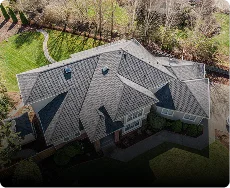
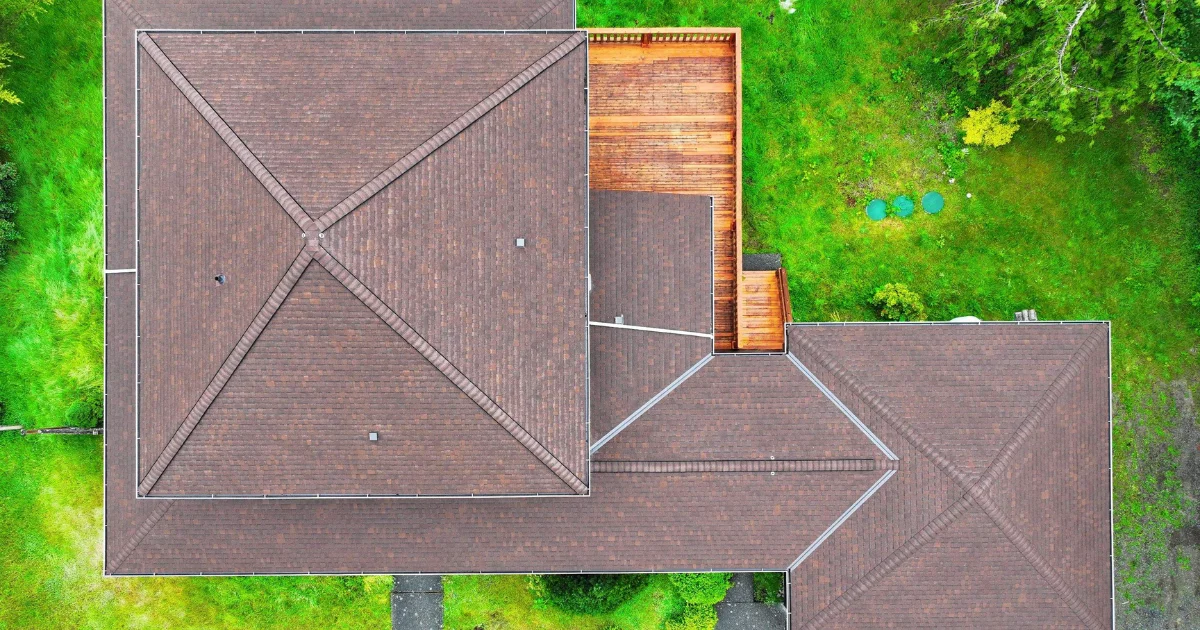
Complex rooflines with multiple peaks and valleys can disrupt airflow paths, and studies on the impact of roof geometry on attic ventilation effectiveness confirm that irregular roof structures reduce consistent air exchange across attic zones.
Multiple peaks, valleys, and intersecting ridges split the attic into separate airflow zones. Instead of one connected space, you end up with pockets of trapped air that do not communicate well with each other.
We have been in attics where one bay is noticeably hotter just standing a few feet away. Nothing “broken,” just a roof design that does not move air evenly.
Homeowners usually notice it first as one upstairs room that never cools down like the others. That is often not an HVAC issue. It is heat sitting under one section of roofline.
Low-Slope Roofs and Slow Air Movement
Low-slope roofs are another common one.
There is just less natural rise for hot air to move through, so everything slows down. Heat does not escape quickly, and it tends to linger longer in the attic space.
We see this a lot in newer builds where the design is more about appearance than airflow. From the ground it looks clean and modern, but inside the attic, heat just hangs there.
It is not a defect. It is just physics and geometry doing what they do.
Dormers and Additions That Disrupt the System
Dormers and additions change everything.
You take a simple attic space and turn it into a series of cut-up sections. Air that used to move freely now has to navigate around framing, dead ends, and blocked transitions.
We see this constantly in older homes that have been added onto over the years. The original ventilation system is still there, but it is not moving air through the entire structure anymore.
That is where heat pockets and moisture buildup start forming in very specific spots instead of the whole attic.
When the Ventilation Exists but Still Fails
This is one of the most frustrating situations for homeowners.
They have soffit vents. They have ridge vents. Everything is “there.” But the attic still overheats.
When we get into those homes, it is usually one of two things. Either intake is blocked and starving the system, or the roof design is preventing air from actually connecting intake to exhaust.
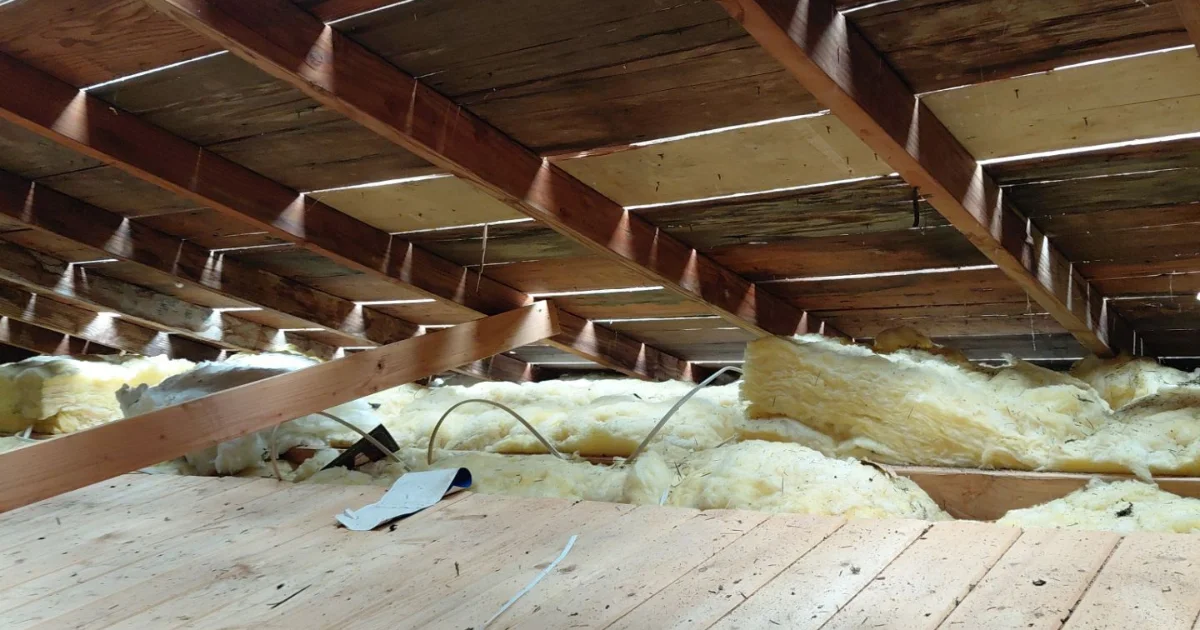
We have pulled back insulation and found soffit vents completely covered. We have also seen ridge vents doing almost nothing because there is no real airflow feeding them.
So the system exists, but it is not actually working as a system.
What You Notice Before You Ever Step Into the Attic
Most people do not go into their attic during a heat wave, so the warning signs show up inside the house first.
Upstairs rooms that never cool down properly are usually the first complaint. Not slightly warm, but noticeably different from the rest of the home.
We also see HVAC systems running longer cycles without actually improving comfort. That is usually the system chasing attic heat that keeps radiating down.
When we finally get into the attic during the day, it is obvious. Some areas are just holding heat with nowhere for it to go.
Why Washington Makes This Worse
Washington roofs do not get long dry resets.
Even when temperatures are not extreme, moisture lingers in materials. Add limited sun exposure and tree cover, and you get slower drying cycles.
That means any airflow problem gets amplified. The attic does not just heat up, it stays warm and damp longer than it should.
Over time, that is what exposes weak ventilation design.
What Actually Helps When the Roof Design Is the Problem
When roof shape is part of the issue, there is no perfect fix. You are working within the structure you already have.
What we usually focus on is balance. Making sure intake and exhaust are actually connected in a way that allows air to move through the attic instead of around it.
Sometimes that means clearing blocked intake. Sometimes it means adjusting how the system is working across different sections of the roof.
And sometimes it is just identifying that one area of the roof is always going to run warmer, and managing it instead of fighting it.
What We See Work in the Field
The homes that perform best are not always the simplest roofs. They are the ones where airflow is actually continuous.
We have seen older homes outperform newer ones just because the attic is not segmented and the ventilation path is clean.
At Integrity Roofing & Construction, we treat this like a system issue, not a parts issue. Roof shape, airflow, and insulation all interact. If one of them is off, the rest feel it.
Once airflow starts moving the way it should, most of the heat and moisture issues settle down naturally.
What This Means for Your Home
If your upstairs feels uneven in temperature or your attic seems like it never really cools off, roof design could absolutely be part of the reason.
Not every ventilation issue is damaged. A lot of it comes down to how the roof was built in the first place.
The key is figuring out whether air is actually moving through the attic or just getting stuck in sections of it.
If it is the latter, it is usually worth addressing before it turns into long-term heat and moisture stress on the roof system. Call us at 360-900-7663 or fill out our online form.