



By Kes Anderson
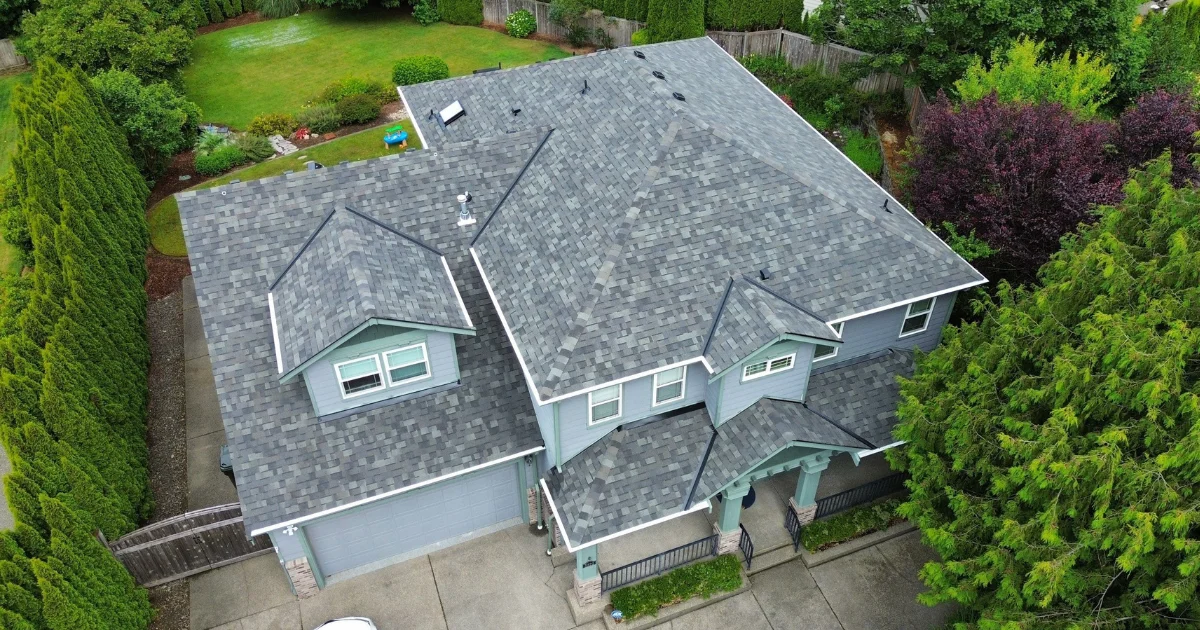
Living in the Pacific Northwest means you get beautiful evergreen landscapes, mild temperatures, and a lot of rain. What many homeowners do not realize is that this same environment is constantly working against their roof. Damage does not usually happen all at once. It builds slowly, often going unnoticed until it turns into an expensive problem.
Understanding how PNW weather affects your roof can help you catch issues early and avoid premature replacement.
Constant Moisture Is the Root of Most Roofing Problems
The biggest factor in roof damage across the Puget Sound region is prolonged moisture exposure. Unlike other parts of the country that deal with intense storms followed by dry periods, our climate keeps roofs damp for long stretches.
Rain is only part of the issue. Morning dew, fog, and shaded areas prevent roofs from fully drying out. Over time, this leads to:
- Breakdown of shingle integrity
- Softening of roofing materials
- Increased vulnerability to leaks
- Rot in underlying wood structures
- Proper airflow is critical because attic ventilation helps prevent moisture buildup that can lead to condensation, mold, and premature roof failure.
When moisture lingers, it finds its way beneath shingles, especially if flashing or seal points are compromised. Once water gets into the system, it can spread far beyond the original entry point.
Moss and Algae Growth Are More Than Cosmetic
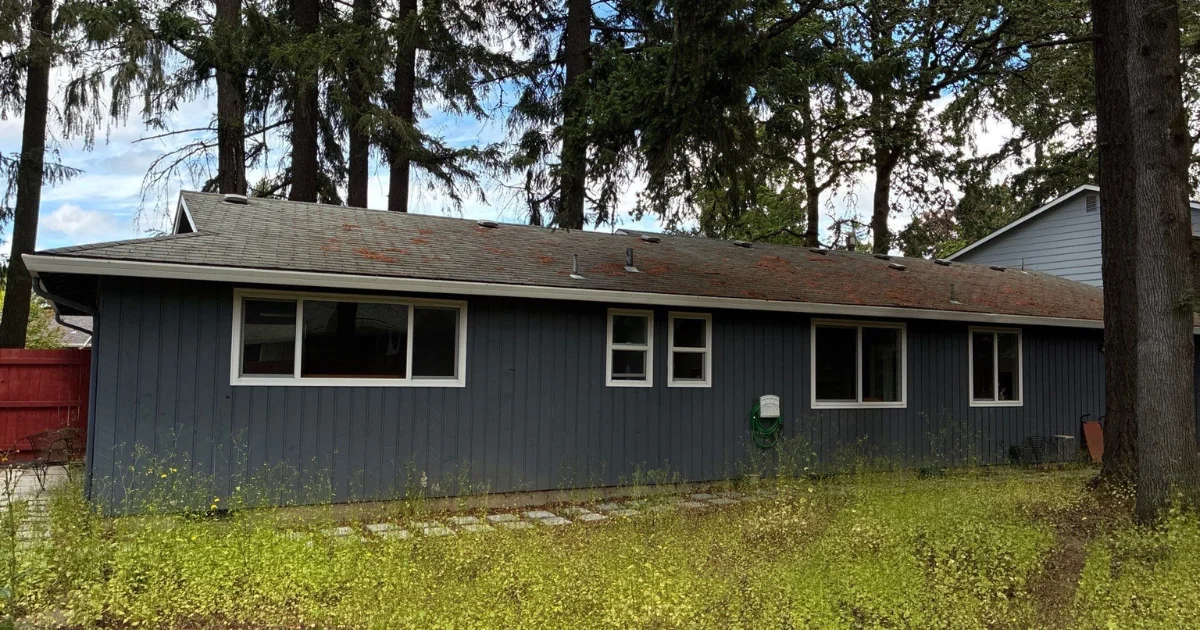
One of the most common sights on roofs in Kitsap and King County is green moss buildup. Many homeowners think this is just a cosmetic issue, but it is actually one of the most damaging elements your roof can face.
Moss acts like a sponge. It absorbs and holds moisture directly against your shingles, which accelerates deterioration. As it grows, it can also:
- Lift shingles and break their seal
- Create gaps where water can enter
- Cause granule loss on asphalt shingles
- Add weight and stress to roofing materials
Algae, while less aggressive than moss, still contributes to moisture retention and can signal that your roof is not drying properly.
If left untreated, moss can shorten the lifespan of your roof by several years. You can learn more about this in our blog, Moss, Algae, and Lichen: The Silent Roof Problem in Kitsap County.
Temperature Swings Cause Expansion and Contraction
While the PNW weather is known to be mild, we still experience temperature fluctuations that impact roofing systems. Even small daily changes can cause materials to expand and contract.
Over time, this movement leads to:
- Cracking in shingles
- Loosening of nails and fasteners
- Separation at seams and joints
- Stress on flashing and vent penetrations
These small shifts may not seem significant, but they create entry points for water. Once combined with constant moisture, the risk of leaks increases quickly.
Wind-Driven Rain Finds Every Weak Spot
Heavy rain on its own is not always the problem. It is wind-driven rain that causes the most damage. When rain is pushed sideways or upward, it can get underneath shingles and into areas that are normally protected.
This is especially common around:
- Roof valleys
- Chimneys
- Skylights
- Vent boots and pipe penetrations
- Ridge caps
If these areas are not installed properly or have started to fail, wind-driven rain will expose those weaknesses.
This is one of the main reasons why proper installation matters just as much as the materials themselves.
Poor Ventilation Makes Everything Worse
Many roofing issues in the PNW are not just caused by what is happening on the outside. What is happening in your attic plays a major role as well.
When a roof lacks proper ventilation, moisture gets trapped inside the attic space. This leads to:
- Condensation buildup
- Mold and mildew growth
- Warping of roof decking
- Increased interior humidity
In colder months, warm air from inside the home rises and meets the cold underside of the roof. Without proper airflow, that moisture has nowhere to go.
This creates a cycle where your roof is being attacked from both the outside and the inside at the same time.
Debris and Tree Coverage Accelerate Damage
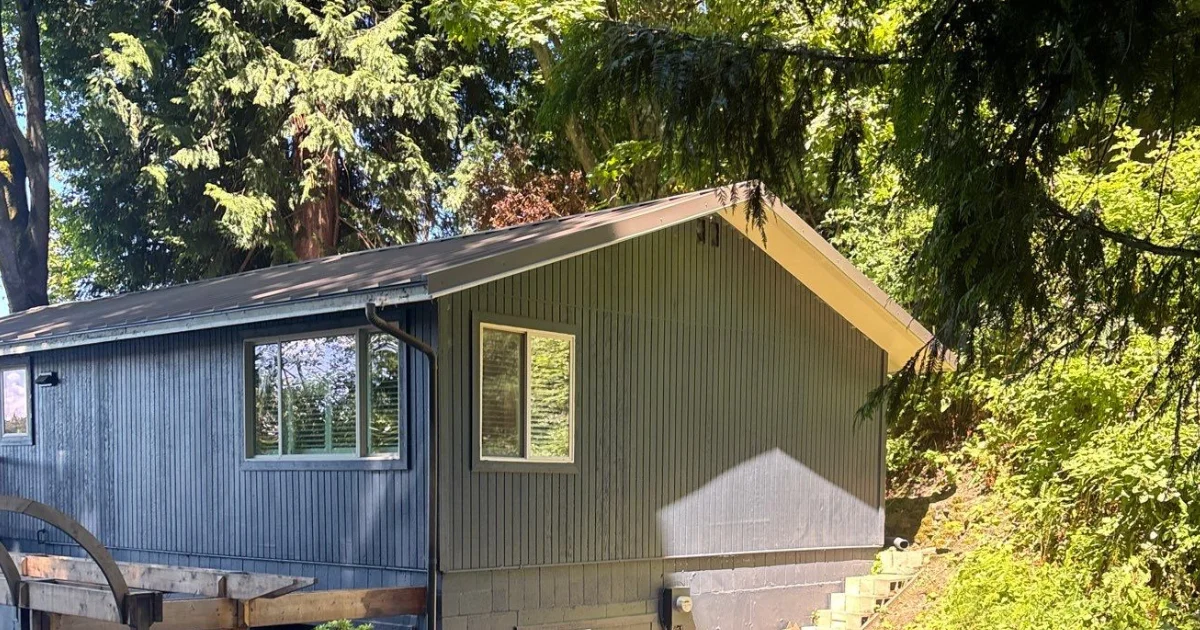
The Pacific Northwest is full of trees, which adds another layer of stress to roofing systems. While trees provide shade and privacy, they also contribute to roof damage in several ways.
Common issues include:
- Leaves and needles clogging valleys and gutters
- Debris trapping moisture on the roof surface
- Increased moss growth in shaded areas
- Branches scraping and damaging shingles
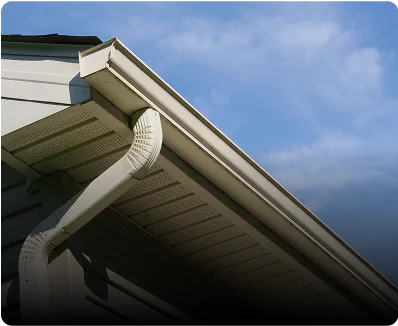
Clogged gutters are especially problematic. When water cannot properly drain, it backs up and can seep under the roof edge, leading to rot and leaks.
Homes surrounded by trees typically require more frequent maintenance to keep the roof functioning properly.
The Hidden Cost of Ignoring Early Signs
Most roofing problems in the PNW start small. A little moss, a minor crack, or a slightly lifted shingle may not seem urgent. The problem is how quickly these small issues escalate in a moisture-heavy environment.
What starts as a minor repair can turn into:
- Interior water damage
- Insulation replacement
- Mold remediation
- Structural wood repairs
- Full roof replacement
By the time leaks become visible inside the home, the damage has often been developing for months or even years.
What Homeowners Should Be Watching For
Catching roof damage early is the best way to avoid major costs. Because of the PNW weather, regular visual checks can go a long way.
Look for:
- Dark streaks or green patches on shingles
- Debris buildup in valleys
- Missing or curling shingles
- Granules collecting in gutters
- Signs of water staining in attic spaces
Even if everything looks fine from the ground, underlying issues may still exist. That is why professional inspections are so valuable.
Why Regular Inspections Matter in the PNW
Given the constant exposure to moisture, roofs in this region should be inspected more frequently than in drier climates.
A professional inspection can identify:
- Early-stage moss damage
- Failing flashing or seal points
- Ventilation issues
- Soft spots in decking
- Areas where water is not draining properly
These are the types of issues that are easy to miss but expensive to ignore.
At Integrity Roofing & Construction, we focus on the entire roofing system, not just the shingles. Because in the PNW, your roof is only as strong as its ability to manage water.
Protecting Your Roof Starts with Understanding the Environment
The Pacific Northwest is a tough environment for roofs, but the damage is predictable. Moisture, moss, and limited drying conditions will always be factors here.
The key is staying ahead of it.
Routine maintenance, proper installation, and regular inspections can dramatically extend the life of your roof. Ignoring these factors almost always leads to higher costs down the road.
If you are unsure about the condition of your roof, it is better to take a proactive approach. A simple inspection today can prevent a much bigger problem tomorrow.
If you want a professional to safely assess your roof and identify potential issues before they turn into costly repairs, give Integrity Roofing & Construction a call at 360-900-7663 or fill out our online form. We will come take a look and provide a free estimate so you can decide your next steps.