



By Kes Anderson
Now that we have made it through months of rain, wind, debris, and standing moisture, it’s time for your Spring Roof Checklist. Spring shows up fast in the Puget Sound. One week it feels like winter, the next you are seeing longer days and budding trees. What does not change is what your roof just went through.
This is usually the time of year when homeowners start noticing small issues. A drip that was not there before. Gutters are overflowing during heavy rain. Dark streaks or moss that suddenly look worse than last year.
A solid spring roof checklist helps you catch those problems early, before they turn into something expensive. This is the same process we walk through when we are inspecting homes across the Puget Sound.
Start with a Ground-Level Roof Inspection
You do not need to climb on your roof to spot early warning signs. In fact, most of what we look for can be seen from the ground.
Walk around your home and take your time. Look for anything that feels off.
Shingles that look out of place are usually the first clue. We see a lot of roofs where a few shingles have lifted or shifted after a windstorm. It might not look like much, but that is often where water starts working its way in.
Pay attention to discoloration as well. Dark patches, streaking, or uneven areas can point to moisture issues or early moss growth. On flatter sections, standing water is a red flag. Water should always be moving off your roof, not sitting on it.
This part of the spring roof checklist is simple, but it catches more problems than people expect.
Check Gutters That Took a Beating All Winter
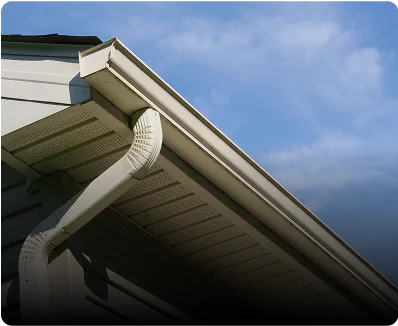
If you live in the Puget Sound, your gutters deal with constant debris. Pine needles, leaves, and small branches build up faster than most homeowners realize.
We run into this all the time. Gutters look fine from the ground, but once you get up there, they are packed and barely moving water.
When gutters clog, water has nowhere to go. It spills over the edges, runs down siding, and can even back up under the roof edge. That is where bigger problems start.
Clear everything out and make sure water flows freely through the downspouts. If you see sagging sections or separation at the seams, those need attention too.
This is one of the most overlooked parts of any spring roof checklist, and it is one of the most important.
Look Closely at Flashing and Roof Penetrations
This is where we find a lot of hidden issues during spring inspections.
Anywhere your roof changes direction or has something coming through it is a potential weak point. Chimneys, vents, skylights, and pipe boots all rely on flashing to keep water out.
Over the winter, flashing can loosen, shift, or start to corrode. Sealant can crack or pull away. These are small changes, but in a wet climate, they matter.
If something looks lifted, separated, or worn down, it is worth paying attention to. This is usually where a small leak starts before it becomes visible inside the home.
Homeowners rarely notice these areas until there is already water damage. That is why this step in the spring roof checklist matters.
Check What Is Happening in the Attic
A lot of roof problems show up inside before they are obvious outside.
If you have attic access, take a few minutes to look around. You are not looking for anything complicated. Just signs that something is not right.
Water staining on wood or insulation is a big one. A musty smell can point to trapped moisture. If insulation looks compressed or damp, that is another sign that something has been going on over the winter.
We see many homes in this area where ventilation is part of the problem. When air is not moving properly, moisture builds up and has nowhere to go. Over time, that leads to mold, rot, and reduced roof life.
This part of the spring roof checklist is easy to skip, but it often tells the real story of what your roof is dealing with.
Deal with Moss Before It Spreads
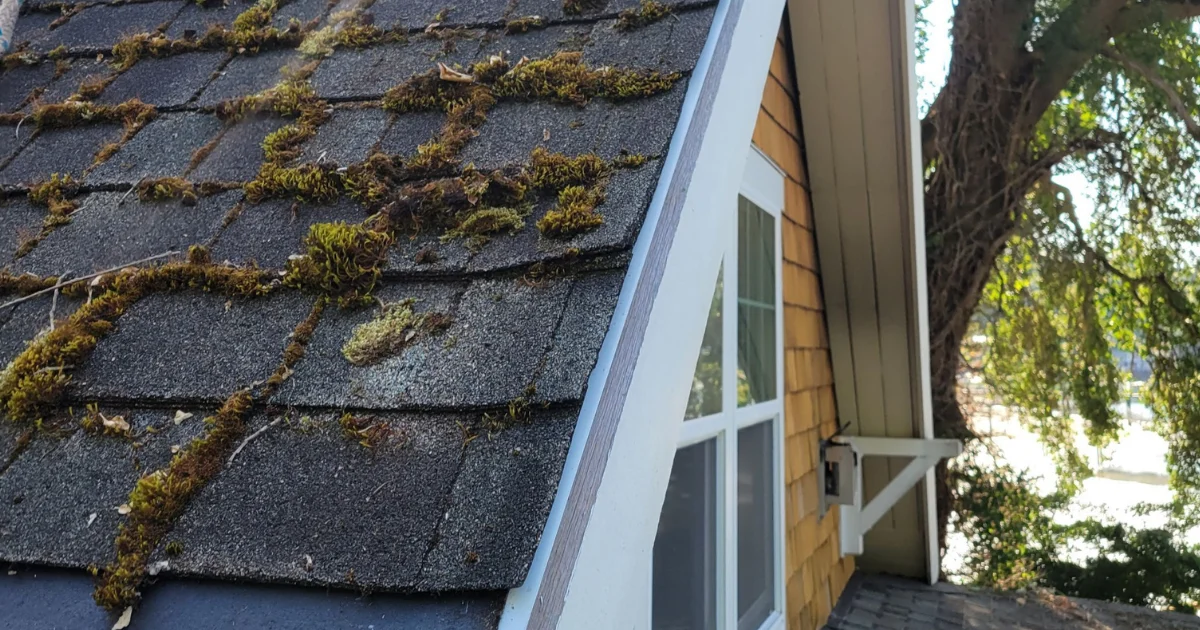
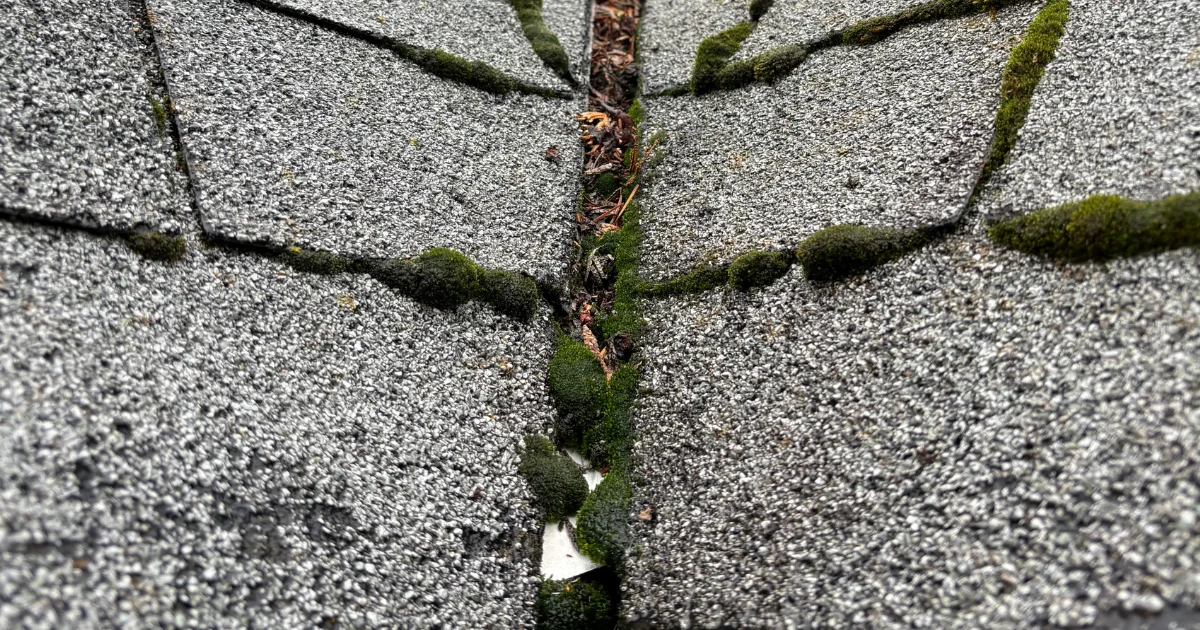
Moss is part of life in the Puget Sound, but that does not mean it is harmless. In fact, moss can degrade a roof covering and lead to leaks if it is left untreated over time.
We run into a lot of homeowners who ignore moss because it does not look urgent. The problem is, moss holds moisture against your shingles. Over time, that breaks down the material and shortens the life of your roof.
If you are starting to see green patches forming, now is the time to deal with it. Light removal with the right approach can help. Waiting another season usually makes the job bigger and more expensive.
Trimming back nearby trees also helps more than people think. Less shade and less debris mean less moisture sitting on your roof.
Any solid spring roof checklist should include moss control, especially in this climate.
Trim Back Trees and Watch for Debris
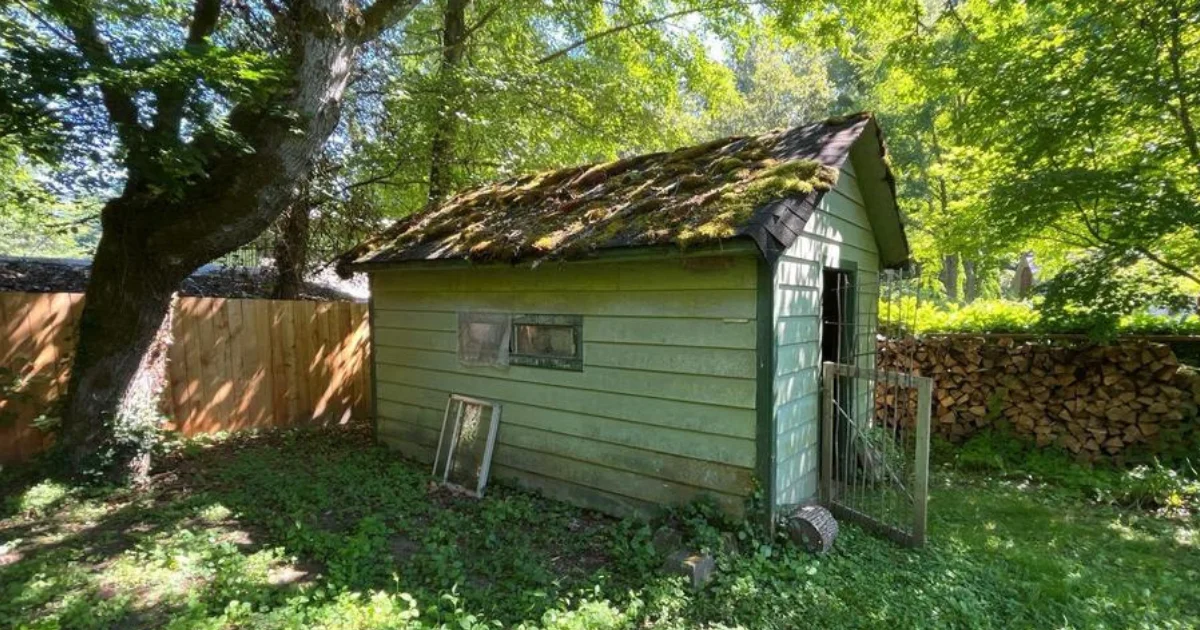
Trees are one of the biggest contributors to roof wear in this region.
Branches hanging too close can scrape shingles during windstorms. Even light contact over time causes damage. On top of that, trees drop debris that collects in valleys and along roof edges.
We usually recommend keeping branches at least several feet away from the roofline. It reduces wear, limits debris buildup, and cuts down on moss growth.
After a storm, it is also worth checking for fallen branches or impact areas. Even a small hit can loosen shingles or damage flashing.
This part of the spring roof checklist is more about prevention than repair, but it makes a noticeable difference over time.
Know When It Is Time for a Professional Inspection
There is a point where a visual check is not enough.
We get calls every spring from homeowners who say everything looked fine from the ground, but there was still a leak. That is not unusual. Some issues just are not visible without getting on the roof.
If anything on this checklist raised a question, or if your roof is getting older, it is worth having it looked at.
A professional inspection can catch early signs of failure, problem areas in flashing, and ventilation issues that are easy to miss. It also gives you a clear picture of what to expect in the next few years.
Conclusion: A Simple Checklist That Prevents Bigger Problems
A spring roof checklist is not about overcomplicating things. It is about paying attention after a long, wet season and catching problems while they are still small.
Most of the issues we deal with every year started as something minor. A clogged gutter. A loose piece of flashing. A little moss that spread over time.
If you are not sure what you are seeing, or you would rather have a second set of eyes on it, we are happy to help. At Integrity Roofing & Construction, we inspect roofs across the Puget Sound every spring and walk homeowners through exactly what is going on.
You can call us at 360-900-7663 or fill out our online form to schedule an inspection and get some clarity on what your roof needs.