

by Nathan Maille
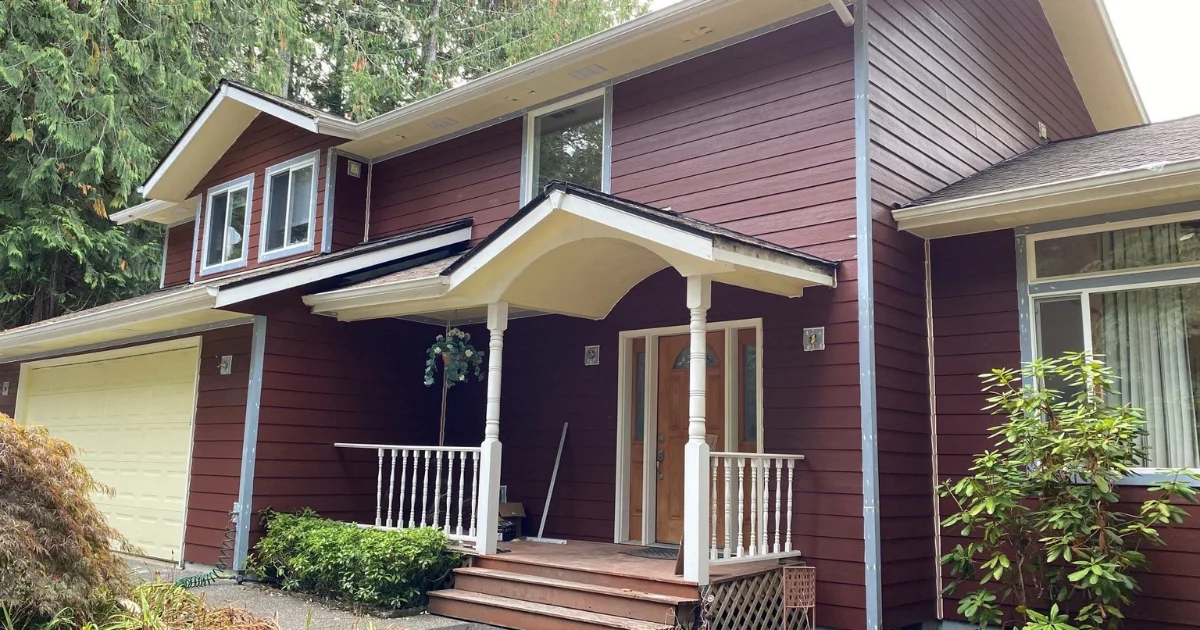
Choosing the right Seattle siding options can be tricky with our long rainy seasons and coastal humidity. Fiber cement, Engineered Wood Siding, and Composite Siding all perform differently in wet climates. If you live in Seattle or anywhere in the Puget Sound region, you already know your home’s exterior faces a lot of moisture. Long rainy seasons, damp shade from evergreen trees, and coastal air all put siding materials to the test. Choosing the right siding is not just about appearance. It is about durability, moisture performance, and how much maintenance you want over the life of your home.
Fiber cement, engineered wood siding, and modern composite siding are three of the most common options for homeowners in Western Washington. Each performs differently in wet climates, and the right choice often depends on your home’s exposure and surroundings.
Below is a practical comparison to help Puget Sound homeowners make the right decision.
Fiber Cement Siding
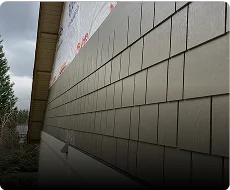
Fiber cement siding is one of the most widely used material for Seattle siding options in the Pacific Northwest. It is made from a mixture of cement, sand, and cellulose fibers, which creates a dense and highly durable board.
Durability of Seattle siding Options
Fiber cement is known for long-term durability. When properly installed and maintained, it can last 30 to 50 years. It resists rot, insects, and fire, which makes it a strong choice for many homes in Western Washington.
Because it is heavier than other siding materials, proper installation is critical. When installed correctly with proper flashing and clearances, fiber cement performs extremely well in rainy climates.
Moisture Performance
Moisture resistance is one of fiber cement’s biggest advantages. It does not swell or rot when exposed to rain. However, joints, trim, and caulking must be maintained to prevent water intrusion behind the siding.
Maintenance Needs
Fiber cement siding typically needs repainting every 10 to 15 years depending on exposure and paint quality. Occasional cleaning helps prevent algae or mildew buildup in shaded areas.
Curb Appeal
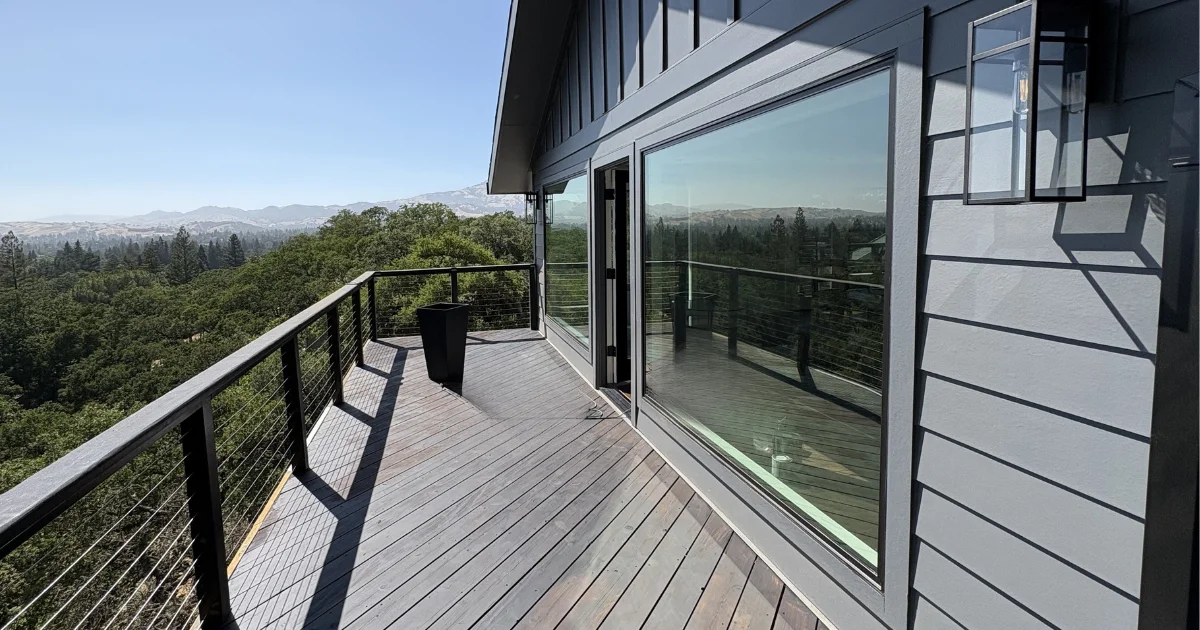
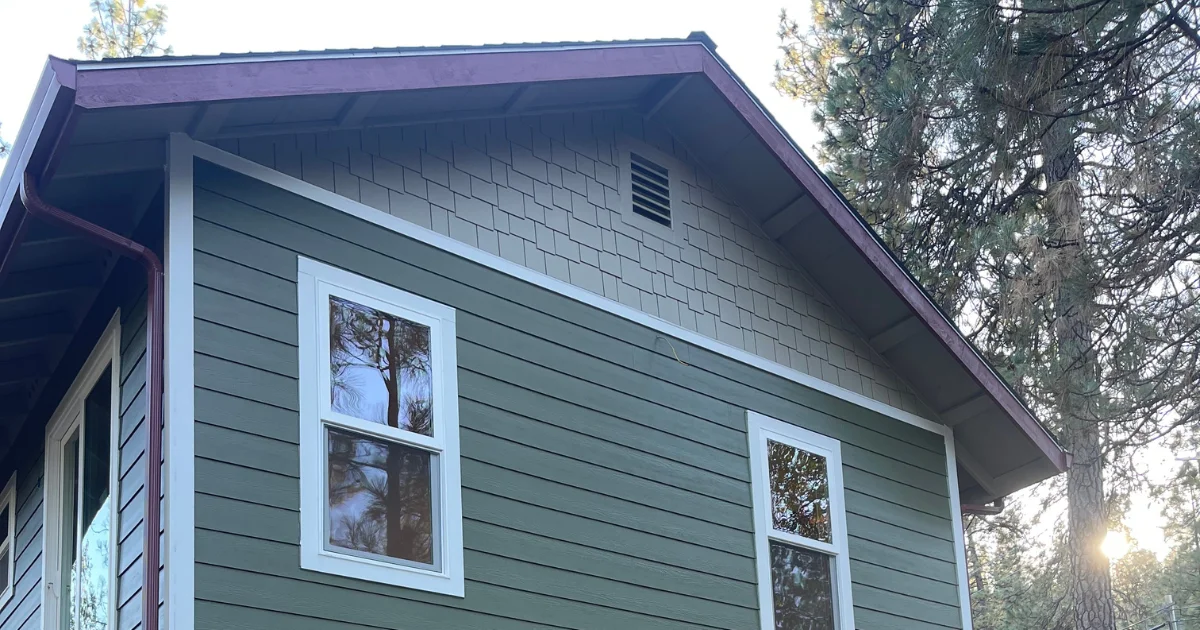
Fiber cement offers a wide range of styles. It can mimic traditional cedar lap siding, modern panel systems, or shake-style textures. For homeowners who want a classic Pacific Northwest look without natural wood maintenance, fiber cement is often the go-to option.
Engineered Wood Siding
Engineered wood siding is designed to provide the look of wood with improved durability and moisture protection.
Durability
Engineered Wood Siding uses a resin and wax treatment process designed to resist moisture and fungal growth. It is lighter than fiber cement and more impact resistant, which can be helpful in areas with falling branches or occasional debris during storms.
Most installations last 25 to 35 years with proper maintenance.
Moisture Performance
This smart, Seattle siding options performs well in wet climates when installed correctly. However, because it is still wood based, it requires proper sealing and maintenance to prevent long-term moisture issues.
Homes surrounded by heavy tree cover or constant shade may see more algae or mildew growth if maintenance is neglected.
Maintenance Needs
Repainting is typically recommended every 7 to 10 years. The material is easier to repair than fiber cement because boards are lighter and easier to replace if damaged.
Curb Appeal
One of the strongest advantages is its wood appearance. The grain texture looks very similar to real cedar, which many homeowners prefer for traditional Northwest architecture.
Composite Siding
Composite siding is a newer category that blends wood fibers, polymers, and resins to create a highly engineered siding board. Several manufacturers now offer composite products designed specifically for harsh climates.
Durability
Composite siding is designed to resist cracking, swelling, and impact damage. Many products come with long warranties and are engineered for multi-decade performance.
Moisture Performance
Moisture resistance is one of composite siding’s biggest advantages. Because it contains synthetic binders, it absorbs very little water and performs well in constant rain or damp conditions.
This makes it an appealing option for homes that see year-round moisture exposure.
When selecting siding for a wet climate, it’s helpful to understand the comparative resistance of common siding materials to moisture and environmental hazards, which shows how fiber cement and other cladding options perform in sustained moisture exposure.
Maintenance Needs
Maintenance is typically minimal. Many composite products come prefinished, which means repainting may not be required for decades. Occasional washing is usually all that is needed.
Curb Appeal
Composite siding manufacturers have made major improvements in texture and color options. Many products closely mimic wood grain while maintaining color consistency and durability.
Best Seattle Siding Options for Common Puget Sound Exposures
Homes in Western Washington face different environmental conditions depending on location. Here is how these siding options typically perform in specific exposures.
Homes Surrounded by Trees or Heavy Shade
Fiber cement is often the safest choice for homes with heavy tree cover. Its resistance to moisture and rot makes it less vulnerable to long periods of damp shade.
Composite siding is also a strong option for these environments because it absorbs very little moisture.
Coastal and Salt Air Locations
Homes closer to Puget Sound experience salt exposure and stronger winds. Fiber cement and composite siding both perform well in coastal conditions when installed correctly.
SmartSide can still work in these environments, but homeowners should expect slightly higher maintenance over time.
Wind Exposed Locations
Fiber cement’s density gives it excellent wind resistance. Composite siding also performs well when installed with proper fastening systems.
Homes on hillsides or waterfront areas often benefit from these heavier and more rigid materials.
Choosing the Right Siding for Your Western Washington Home
There is no single siding product that is perfect for every house in the Puget Sound region. The best choice usually depends on your property’s exposure, the style of your home, and how much maintenance you want to handle over time.
In general:
- Fiber cement is ideal for long-term durability and moisture resistance.
- Engineered Wood Siding offers a natural wood appearance with easier repairs.
- Composite siding provides excellent moisture performance with low maintenance.
A professional inspection of your home’s exposure, ventilation, and installation details can make a big difference in long-term performance.
Work With a Local Siding Expert
Siding problems in the Pacific Northwest often start small. Moisture intrusion, swelling boards, or failing paint can all be early signs that your siding system is struggling with our wet climate.
The team at Integrity Roofing & Construction can evaluate your current siding and help you determine whether repair or replacement makes the most sense for your home.
Schedule a siding inspection today and get expert guidance on the best option for your property.
📞 Call Integrity Roofing & Construction at 360-900-7663 to talk with our team about the best siding options for your home.
📝 Prefer online? Fill out our quick form and we’ll reach out to schedule your consultation.