

By Kes Anderson
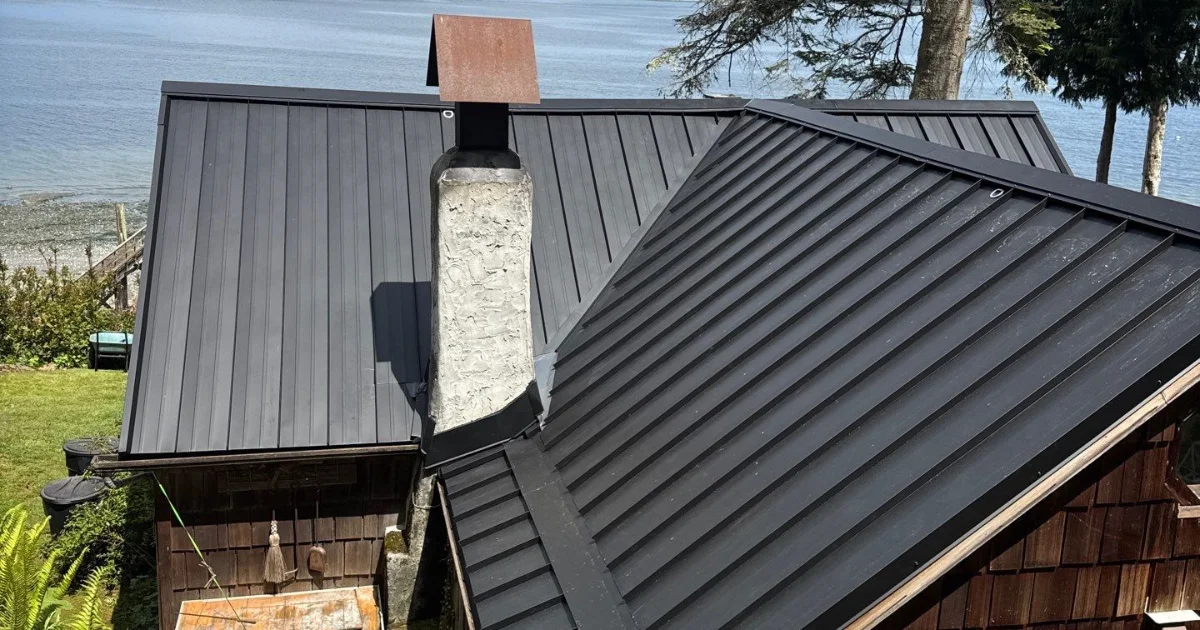
Metal roofing gets a lot of attention in the Pacific Northwest, and not all of it is accurate. Between older assumptions and outdated comparisons to traditional roofing materials, homeowners often hesitate to consider metal even when it may be one of the best long-term options for the region.
In places like Tacoma and across the PNW, where rain, moss, and seasonal moisture are constant factors, understanding what metal roofing actually does, and does not do, is important before making a decision.
Myth 1: Metal Roofs Are Loud When It Rains
This is probably the most common concern homeowners bring up, and it is also one of the most outdated.
The idea comes from older agricultural buildings where metal panels were installed directly over open framing. In those conditions, rain noise was noticeable.
Modern residential metal roofing is completely different.
Today’s systems are installed over:
Solid roof decking
Underlayment layers
Insulation and attic space
By the time rain reaches the exterior surface, sound is significantly absorbed before it ever enters the home. In most cases, interior noise levels are comparable to asphalt shingles.
In a rainy climate like the PNW, where roof noise concerns are most common, the actual lived experience is much quieter than people expect.
Myth 2: Metal Roofs Attract Lightning
Another common misconception is that metal roofing increases the likelihood of a lightning strike.
Metal roofing does not attract lightning. Lightning is driven by height, location, and environmental conditions, not material type.
If a strike does occur, metal roofing can actually be safer because it is non-combustible and disperses electrical energy across the surface rather than allowing ignition.
For homeowners in the Pacific Northwest, where lightning is relatively infrequent compared to other regions, this is more myth than practical concern.
Myth 3: Metal Roofs Rust Easily in Rainy Climates
Given the moisture levels in the PNW, this concern is understandable, but it does not reflect modern materials.
Today’s residential metal roofing is typically made from:
Galvanized steel with protective coatings
Aluminum designed for corrosion resistance
Painted and sealed finishes engineered for weather exposure
These systems are designed specifically for wet climates and long-term exposure to rain. Proper installation and maintenance are far more important than the presence of moisture itself.
In fact, many metal roofs perform exceptionally well in coastal and high-moisture environments like Western Washington.
Myth 4: Metal Roofing Is Too Expensive
Metal roofing often has a higher upfront cost compared to standard asphalt shingles, but that comparison does not tell the full story.
The real difference comes in long-term performance.
Metal roofing typically offers:
Longer service life
Lower maintenance requirements
Better resistance to moss and algae growth
Improved durability in storm conditions
In the PNW, where roof maintenance and moisture-related repairs are common, those long-term savings often offset the initial investment over time.
Myth 5: Metal Roofs Make Homes Hotter in Summer
Some homeowners assume metal roofing increases indoor temperatures, but modern systems are designed with reflective coatings and proper ventilation strategies.
In reality, metal roofs can help:
Reflect solar heat
Reduce heat absorption
Improve attic airflow when properly installed
This makes them a strong option for year-round performance, even in regions with seasonal temperature swings like the Pacific Northwest.
The Real Advantage of Metal Roofing in the PNW
The biggest advantage of metal roofing is not a single feature. It is system performance over time.
In a region like the Pacific Northwest, roofs are constantly exposed to:
Heavy rainfall
Moss and algae growth
Debris buildup
Seasonal temperature changes
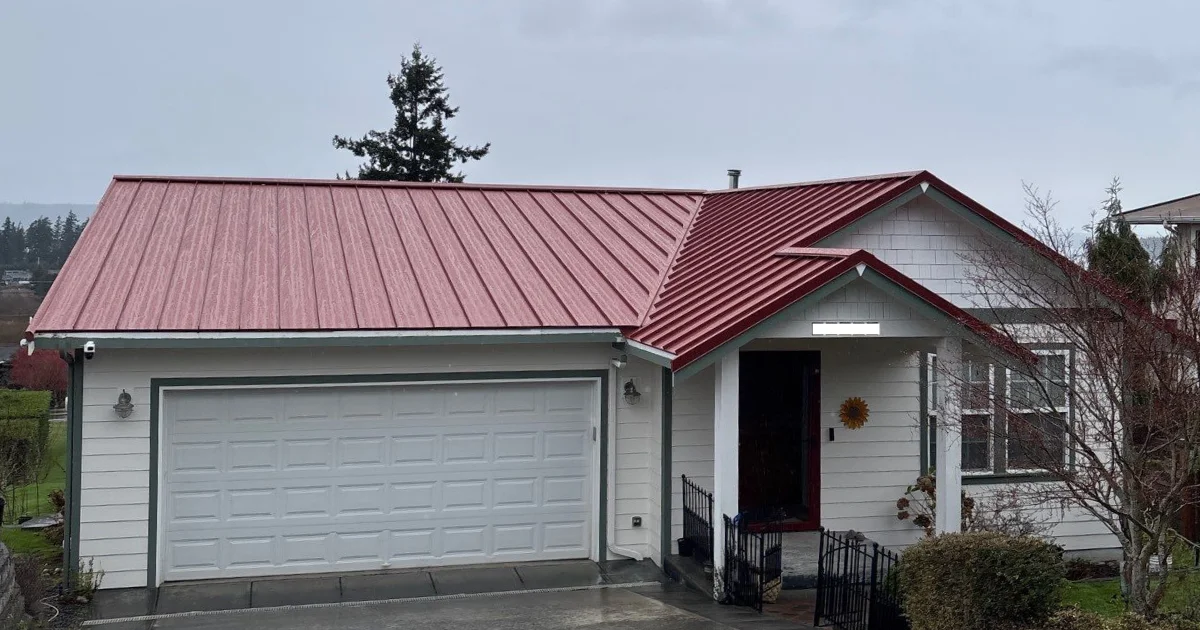
Metal roofing handles these conditions differently than traditional materials. It sheds water efficiently, resists organic growth more effectively, and typically requires fewer repairs over its lifespan.
That is why more homeowners in Tacoma and surrounding areas are beginning to consider it as a long-term roofing solution rather than just an alternative material.
Common Misunderstandings Homeowners Still Have
Even with better materials available today, misconceptions continue to influence decisions.
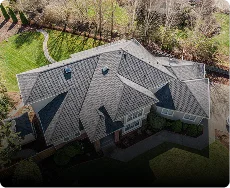
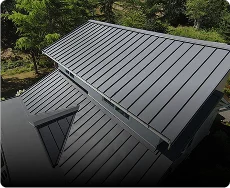
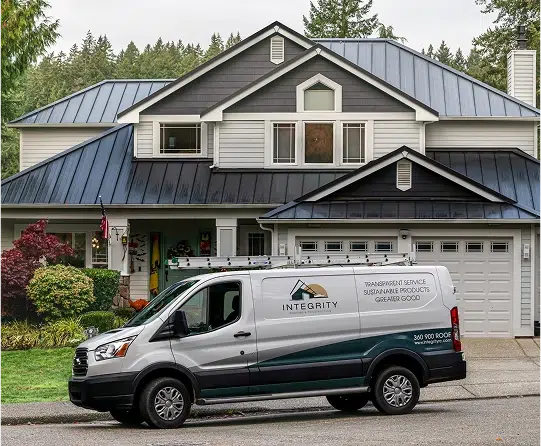
Some of the most common misunderstandings include assuming all metal roofs are the same, or that they are only suited for commercial or agricultural buildings. In reality, residential metal roofing systems are engineered specifically for homes and are available in a wide range of styles that mimic traditional shingles or architectural designs.
In many cases, the appearance is indistinguishable from other roofing materials once installed.
Is Metal Roofing Right for Your Home
The decision ultimately depends on your home, your budget, and how long you plan to stay in the property.
Metal roofing makes the most sense when:
You want long-term durability
You are in a moisture-heavy environment like the PNW
You want lower long-term maintenance needs
You are planning to stay in the home long-term
For homeowners focused on short-term cost alone, it may not always be the first choice. But for those thinking long-term, it often becomes one of the most practical roofing systems available.
Final Thoughts on Metal Roofing Myths
Most concerns about metal roofing come from outdated information rather than how modern systems actually perform.
In the Pacific Northwest, where roofs are constantly exposed to moisture and environmental stress, understanding the facts matters more than the myths.
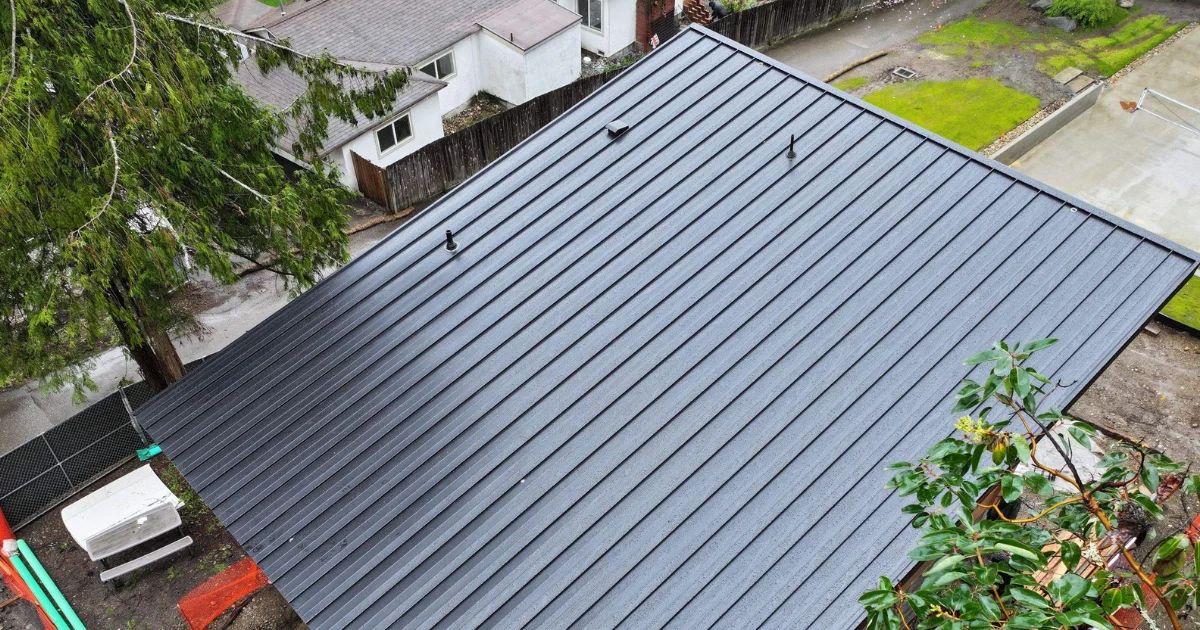
Metal roofing is not noisy, not fragile in rain, and not limited to industrial use. It is a long-term roofing option that performs well in demanding climates when installed correctly.
If you are considering a roofing upgrade, the best next step is understanding how your current roof is performing and whether a system like metal roofing would actually improve long-term durability and maintenance costs. Call us at 369-900-7663 for a free estimate or fill out our online form. We can help guide you to the best choice for your home.