

By Kes Anderson
A roof leak rarely happens at a convenient time.
Usually, it starts with something small. A stain appears on the ceiling after a heavy rainstorm. A homeowner notices moss spreading across a shaded section of shingles. A few pieces of roofing material end up in the yard after a windy week. Sometimes the warning signs are obvious. Other times, the roof looks fine from the driveway, but problems are already developing underneath.
This is where many homeowners get stuck. They know something needs attention, but they’re unsure whether it’s time to repair or replace their roof.
In the Pacific Northwest, that decision can be especially difficult. Roofs here deal with months of moisture, moss growth, evergreen debris, wind-driven rain, and conditions that can slowly wear down roofing materials. A small issue that might stay small in a drier climate can become a bigger concern when water has repeated opportunities to find its way inside.
At Integrity Roofing & Construction, this is one of the most common questions homeowners ask during evaluations: “Can you fix what is wrong, or does the whole roof need to be replaced?”
The answer depends on what’s happening beneath the surface, not just what’s visible from the ground.
When a Roof Repair Makes Sense
A roof repair is often the right choice when the problem is isolated and the rest of the roofing system is still performing well.
We see this often with issues like a damaged vent boot, missing shingles after a windstorm, or flashing that has failed around a chimney, skylight, or roof-to-wall transition. These problems can create water entry points, but they do not always mean the entire roof has reached the end of its life.
A repair can also make sense when a roof is relatively young and the surrounding materials are still in good condition. If the shingles are holding up, the attic ventilation is working properly, and the roof deck is sound, addressing the damaged area may be the most practical option.
The important part is identifying the actual cause of the problem.
A homeowner may notice a ceiling stain and assume the shingles above that area are the issue. Sometimes they are. Other times, the water traveled from a failed flashing detail, clogged drainage area, or ventilation problem before appearing inside the home.
This is why a proper roof inspection matters. Fixing the visible symptom without finding the source can lead to repeated repairs.
When Roof Repairs Become a Temporary Fix
There comes a point when repairing a roof stops being the most effective choice.
We run into this with older roofing systems that have multiple areas of wear. A homeowner may replace a few damaged shingles one year, repair flashing the next year, and then discover another leak after the next major storm.
At that stage, the question changes from “Can this roof be repaired?” to “How much longer is this roof realistically expected to perform?”
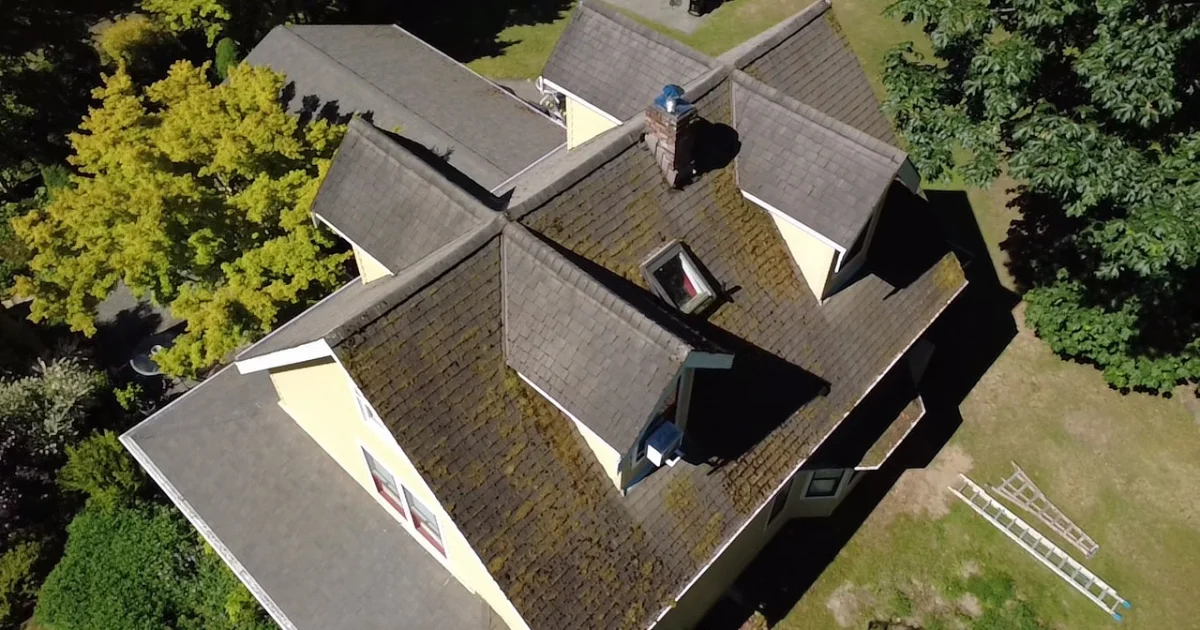
Age is a major factor, but it is not the only factor. A roof that has been exposed to years of Pacific Northwest weather may show signs of deterioration even if it does not appear severely damaged from the ground.
Common signs that repairs may no longer be enough include:
- Frequent leaks or recurring moisture issues
- Widespread curling, cracking, or missing shingles
- Significant granule loss in gutters and downspouts
- Moss growth that has started affecting the roofing material
- Soft or damaged areas in the roof deck
- Multiple previous repairs across different areas of the roof
This is where homeowners often become frustrated. They are spending money trying to keep an aging roof going, but each repair only addresses one piece of a larger problem.
A roof repair should solve a problem. It should not become a yearly maintenance cycle for a roof that is already struggling.
Why the Pacific Northwest Changes the Roof Replacement Conversation
Roofing in Washington comes with challenges that homeowners in drier regions may not experience as often.
A shaded roof slope facing north may stay damp for long periods. Evergreen needles can collect in valleys and hold moisture against roofing materials. Moss can spread quickly when roofs remain wet, especially in areas surrounded by trees.
We see these conditions regularly throughout the Puget Sound region.
The issue is not that asphalt shingles or other roofing materials cannot handle rain. They can. The issue is that moisture exposure over many years can reveal weaknesses in the entire roofing system.
A roof is not just the material you see from the street. It includes the underlayment, flashing, ventilation, drainage, and the roof deck underneath because building enclosure performance and moisture control are critical parts of preventing water intrusion and protecting the structure over time.
A roof replacement provides an opportunity to address those areas together. It allows homeowners to correct problems that may have been hidden for years, such as outdated flashing details, inadequate ventilation, or damaged decking caused by past moisture intrusion.
That does not mean every older roof needs immediate replacement. It means the decision should be based on the overall condition of the system, not just whether a few shingles still look acceptable.
The Questions That Help Determine Repair or Replace
Most homeowners do not need a roofing textbook. They need someone to help them understand what is actually happening with their home.
When deciding between roof repair vs roof replacement, these questions usually help:
How old is the roof?
A newer roof with one isolated issue may only need a repair. An older roof with repeated problems may be approaching the end of its useful life.
Are the problems isolated or happening in multiple areas?
A single damaged area is different from a roof showing widespread wear.
Has water already reached the home?
Leaks, stains, or attic moisture can indicate that the issue is more involved than surface damage.
How long do you plan to stay in the home?
A homeowner planning to move soon may approach the decision differently than someone who wants the roof to protect their home for decades.
Has the roof been repaired multiple times?
Previous repairs can provide useful information. They can also indicate that the roof is nearing a point where replacement makes more sense.
During an inspection, these details help create a clearer picture. The goal is not to automatically recommend a replacement or suggest another repair. The goal is understanding what the roof needs based on its actual condition.
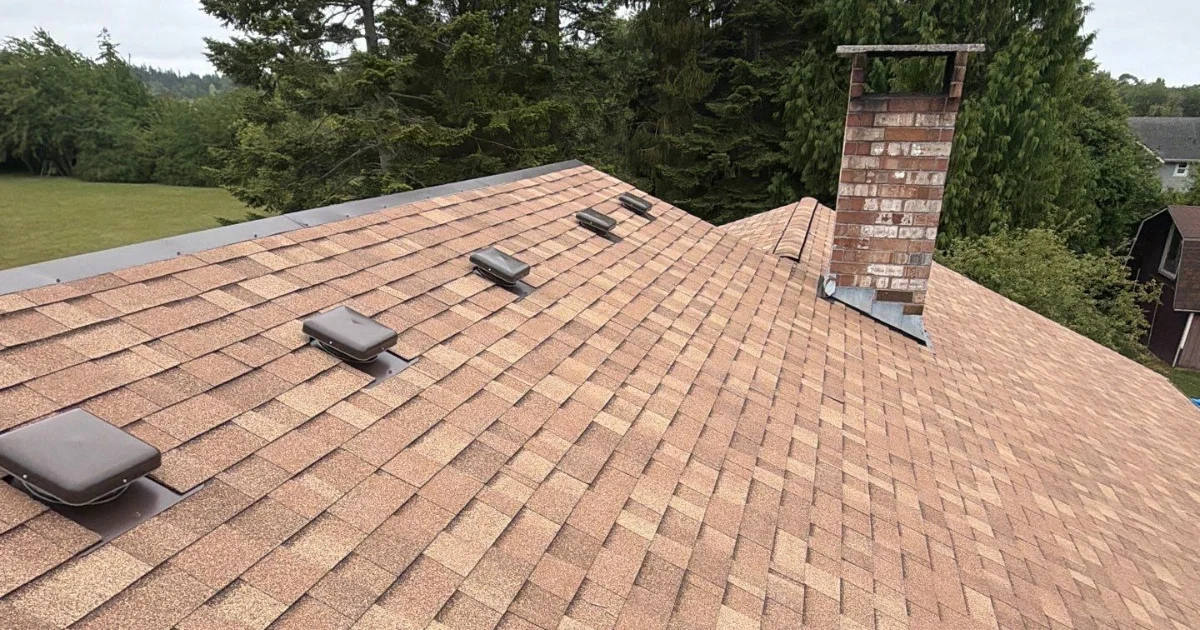
Making the Right Choice for Your Home
The decision between roof repair and roof replacement is not always obvious from the outside.
Some homes truly need a targeted repair that addresses a specific problem. Others have reached a point where continuing to patch issues only delays a larger project.
The best decision comes from looking at the entire roofing system and considering what makes sense for the home, the homeowner, and the expected lifespan of the roof.
A roof protects everything underneath it. Taking the time to understand its condition can help homeowners avoid unnecessary work while also avoiding repeated repairs that do not address the bigger issue.
Integrity Roofing & Construction helps homeowners evaluate their roofs and understand the options available based on the condition of their home. Whether the right choice is a repair or a replacement, the first step is knowing what’s actually happening above your head.
If you’re unsure whether your roof needs a repair or replacement, contact Integrity Roofing & Construction at 360-900-7663 or fill out our online form. We can help you schedule a free inspection and get a better understanding of what your home needs.