



by Kes Anderson
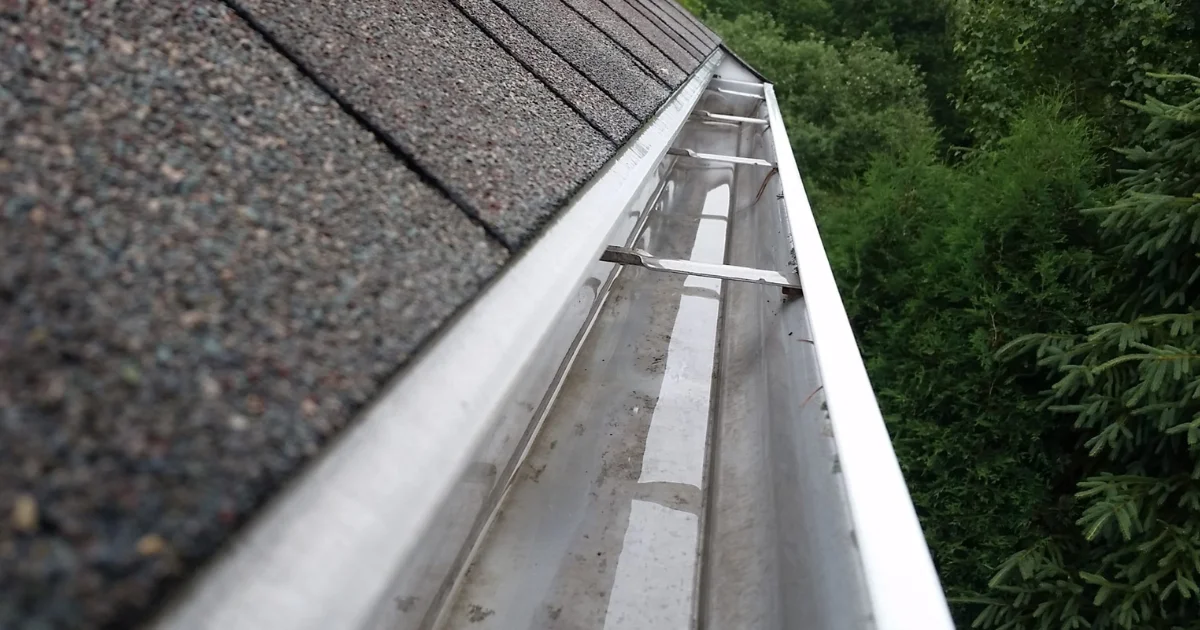
In Western Washington, roofs do not fail only from above. Many of the most expensive water damage issues begin at the roof’s edge.
Heavy rainfall, wind-driven storms, moss growth, and prolonged moisture exposure create constant stress on the transition points where roofing meets gutters, fascia, and trim. When these components are designed and installed correctly, they quietly protect your home year-round from water damage. When they are not, water finds its way into places it should never be.
Understanding how gutters, fascia, and roof edge design work together helps homeowners prevent rot, leaks, and premature roof failure. You can learn about the layers of your roofing system in this video.
Why Roof Edges Matter More in Western Washington
Western Washington’s climate is uniquely demanding on exterior building systems. Instead of intense seasonal storms followed by long dry periods, homes here experience extended months of steady moisture.
This creates three primary challenges:
- Continuous water exposure rather than occasional runoff
- Moss and debris buildup that slows drainage
- Repeated wet-dry cycles that accelerate wood deterioration
Because of this environment, water management is not just about shedding rain. It is about controlling where water goes after it leaves the roof surface.
The roof edge is where that control either succeeds or fails.
How Water Actually Leaves Your Roof
Many homeowners assume shingles alone protect their home from water damage. In reality, shingles are only one part of a larger drainage system.
A properly functioning roof edge includes:
- Roofing material that directs water downward
- Drip edge flashing that guides water into gutters
- Fascia boards that support the gutter system
- Gutters sized and sloped for regional rainfall
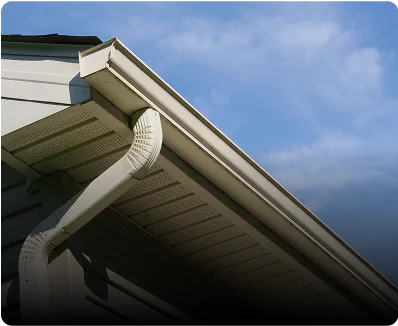
- Downspouts that move water safely away from the foundation
If any one of these components is compromised, water can backtrack behind the system instead of flowing away from the home.
That is when hidden water damage begins.
The Critical Role of Gutters
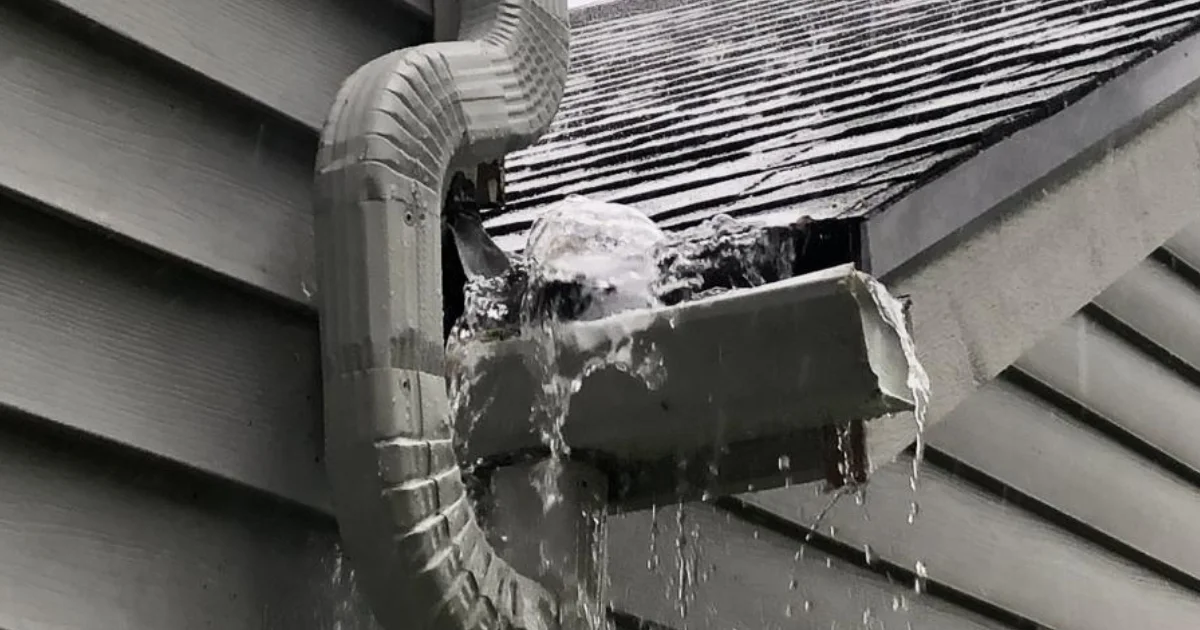
Gutters are often viewed as accessories, but in Western Washington they are a primary defense against structural water damage.
Well-designed gutters should:
- Handle high rainfall volume without overflowing
- Maintain proper slope for consistent drainage
- Resist clogging from needles, moss, and debris
- Direct water several feet away from the structure
When gutters fail or become overwhelmed, water spills over the edge and saturates siding, soffits, and foundations. Over time, this can lead to major water damage including rot, interior leaks, and even settlement issues.
Common gutter problems we see include undersized systems, improper pitch, and aging seal failures at seams.
Fascia: The Structural Backbone You Rarely See
Fascia boards sit directly behind gutters and serve two essential purposes:
- Supporting the gutter system
- Protecting the roof edge from moisture intrusion
Because fascia is typically wood, it is highly vulnerable to long-term moisture exposure. When gutters overflow or drip edge flashing is missing, water repeatedly wets the fascia until rot develops.
Early fascia damage often goes unnoticed because it is hidden behind gutters. By the time peeling paint or sagging appears, structural deterioration may already be advanced.
Signs of fascia trouble include:
- Gutters pulling away from the home
- Soft or spongy wood
- Peeling paint near the roofline
- Animal or insect intrusion points
Drip Edge and Roof Edge Design: The Most Overlooked Protection
One of the most common issues found during roof replacements is improper or missing drip edge flashing.
Drip edge is a metal flashing installed along roof edges that ensures water drops cleanly into gutters instead of curling backward toward the fascia.
Without it, surface tension allows water to travel underneath shingles and behind gutters. In Western Washington’s wet climate, this small detail can lead to significant rot over time.
Proper roof edge design also considers:
- Starter shingle placement
- Ice and water shield at vulnerable edges
- Ventilation balance near soffits
- Gutter placement relative to roof pitch
These details rarely stand out visually, but they dramatically affect long-term performance.
Warning Signs Your Roof Edge System May Be Failing
Homeowners often notice symptoms long before realizing the cause originates at the roof edge.
Watch for:
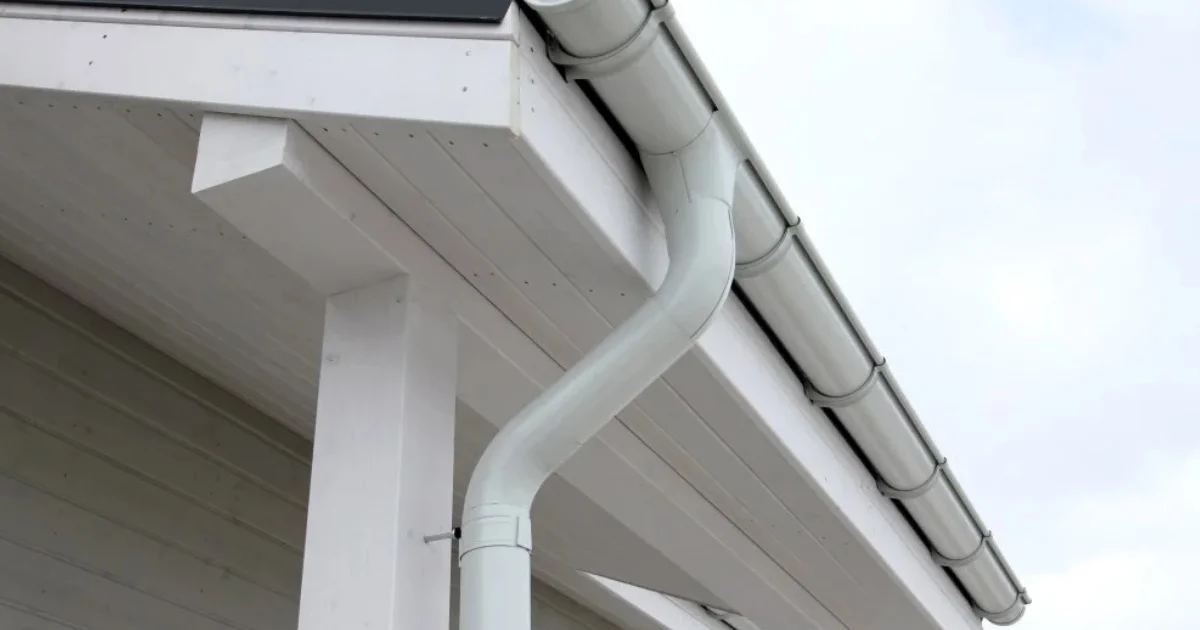
- Water streaks on siding
- Overflowing gutters during moderate rain
- Moss concentrated near roof edges
- Interior staining near exterior walls
- Basement or crawlspace moisture after storms
Addressing these signs early can prevent costly structural repairs later.
Why Roof Replacement Is the Best Time to Correct Edge Design
Many gutter and fascia issues are difficult to fully repair without removing roofing materials. That is why roof replacement provides the ideal opportunity to upgrade the entire water management system.
During replacement, contractors can:
- Inspect hidden decking and fascia
- Install proper drip edge flashing
- Correct gutter alignment
- Improve drainage planning
- Add protective underlayment at vulnerable areas
Treating gutters and fascia as part of the roofing system, rather than separate trades, leads to significantly better long-term outcomes.
Preventative Maintenance for Western Washington Homes
Even well-designed systems require maintenance in a high-moisture environment.
Homeowners should plan for:
- Gutter cleaning at least twice per year
- Moss management to maintain water flow
- Annual roof inspections
- Checking downspout discharge locations
Proactive maintenance extends the lifespan of both roofing and exterior components.
The Bottom Line
In Western Washington, water management is the true measure of roofing quality.
Shingles may be the most visible part of a roof, but gutters, fascia, and roof edge design do the daily work of protecting your home from moisture intrusion. When these elements function together as a complete system, they prevent rot, leaks, and costly structural damage.
A well-built roof does more than cover a home. It controls water with precision from peak to foundation.
Protect Your Home at the Roof Edge Before Water Damage Starts
If your gutters overflow, your fascia shows signs of wear, or your roof is approaching replacement age, it may be time to evaluate how your entire roof edge system is performing.
At Integrity Roofing & Construction, we look beyond shingles. Our inspections focus on the full water management system, including gutters, fascia, flashing, and drainage design, so problems are solved at the source instead of temporarily patched.
Schedule a professional roof and exterior evaluation today and get clear, honest guidance on how to protect your home from Western Washington’s year-round moisture.
Call Integrity Roofing & Construction today at 360-900-7663 or fill out our online form to schedule your inspection or request a consultation.