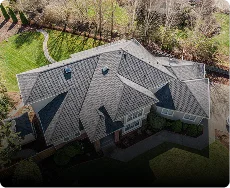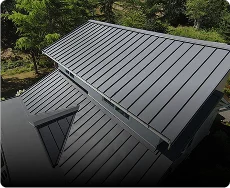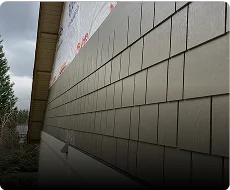


 Most homeowners first think about shingles when they think about a new roof, not roofing underlayment. Color, profile, warranty. All of that matters. But from a contractor’s point of view, the roof’s performance starts below the shingles. Learn about the layers that make up your roofing system.
Underlayment is the layer that protects your home when wind-driven rain gets past the roofing material. It is also what protects the roof deck during installation and throughout the life of a roof. After decades in the field, we can say this clearly. Not all underlayment performs the same, and traditional tar paper is one area where the industry has moved on for good reason.
At Integrity Roofing & Construction, we do not recommend tar paper. Modern synthetic underlayment simply performs better in real-world conditions, especially in Issaquah and across the western foothills, where heavy rain, tree cover, and changing elevations all stress roofing systems.
What Roofing Underlayment Does for Your Home
Roofing underlayment is installed directly on the roof deck before shingles, metal panels, or other roofing materials go on. Its job is to serve as a secondary line of defense against moisture.
When rain is driven sideways by wind, or snow melts unevenly, water can find its way under the primary roofing surface. When that happens, underlayment is what keeps moisture from reaching the wood structure of your home.
Underlayment also protects the roof deck during construction. In Issaquah, it is common for a roof to be exposed to rain between tear-off and final installation, particularly during shoulder seasons when weather windows are unpredictable. The quality of the underlayment determines how well your home is protected during that window.
Because it is hidden once the roof is finished, underlayment often gets overlooked. From a contractor’s perspective, it is one of the most important decisions in the entire roofing system.
Traditional Tar Paper: Why It Falls Short Today
Tar paper, also called asphalt-saturated felt, has been used for generations. It was once the best available option, but it comes with limitations that show up quickly in the field.
One of the biggest issues with tar paper is how it reacts to moisture. It absorbs water. When it gets wet, it wrinkles, swells, and loses its shape. Those wrinkles do not always flatten back out, which can affect how shingles lay on the roof.
Tar paper also tears easily. Foot traffic, wind, and fasteners can damage it during installation. Once torn, its ability to protect the roof deck is compromised.
Over time, tar paper dries out and becomes brittle. In Issaquah, where roofs often stay damp longer due to shade, tree coverage, and consistent rainfall, this breakdown accelerates. In our climate, where roofs are exposed to long periods of moisture, this breakdown happens faster than most homeowners realize. While tar paper may still meet minimum building code, minimum code is not the same as best practice.
Modern Synthetic Underlayment: Built for Today’s Roofing Systems
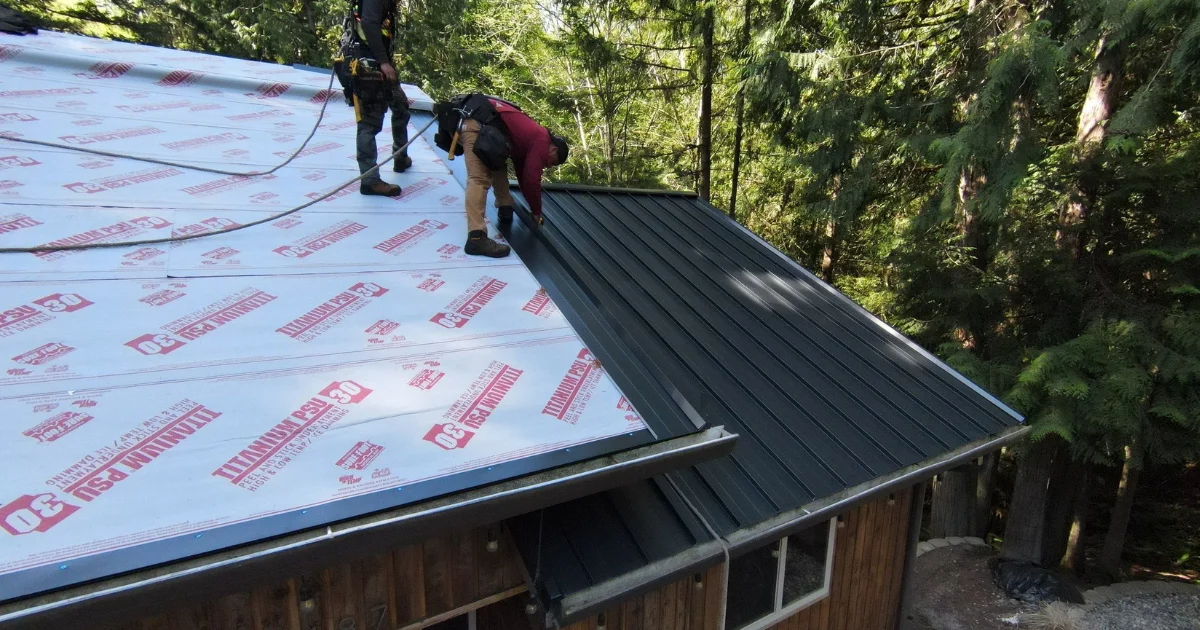
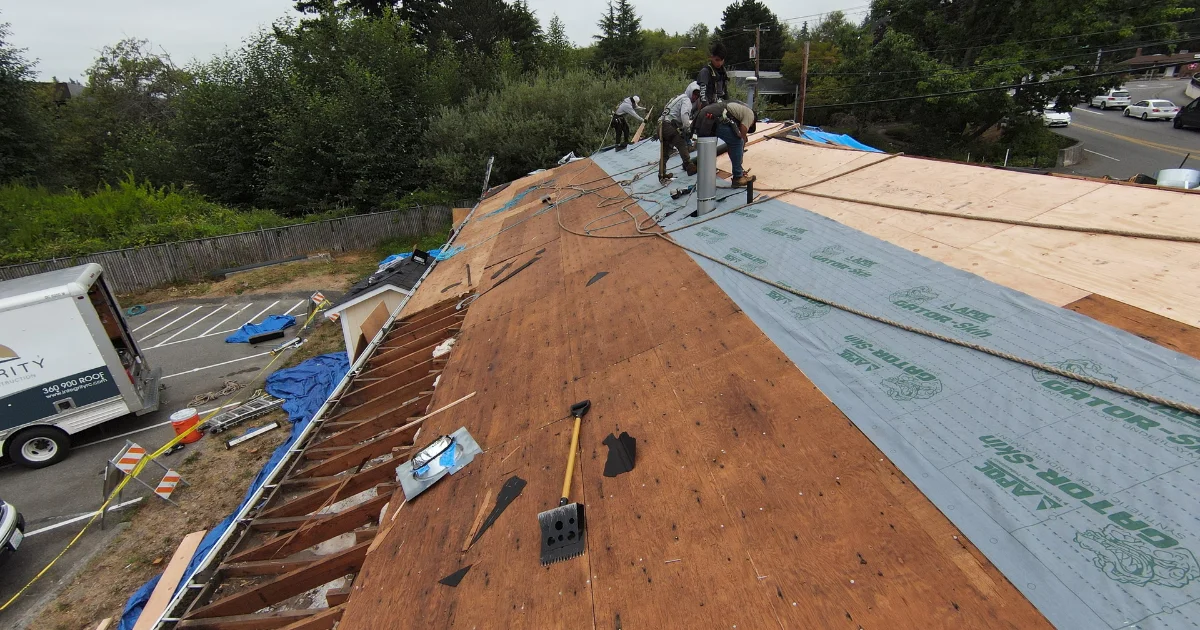
Synthetic underlayment is engineered specifically to address the weaknesses of tar paper. It is made from advanced polymers that are designed to resist moisture, tearing, and long-term degradation.
Unlike tar paper, synthetic underlayment does not absorb water. It stays flat when wet, which means shingles install more evenly and the roof system performs more consistently.
Synthetic products are also significantly stronger. They resist tearing, even in windy conditions, and they hold fasteners better. This matters during installation and over the life of the roof.
Many synthetic underlayment can be left exposed for extended periods without breaking down. That added durability provides protection during unpredictable weather and reduces risk during construction.
Moisture Management and Long-Term Performance
Most roof failures do not start with a dramatic leak. They start small. A little water gets past the shingles. It happens repeatedly over time. Eventually, the roof deck, insulation, or framing begins to suffer.
Tar paper relies on asphalt to repel moisture. Once that asphalt dries out or breaks down, water resistance drops off quickly.
Synthetic underlayment is designed to remain water-resistant while still allowing the roof system to breathe. This helps manage moisture without trapping it where it can cause rot or mold.
From a longevity standpoint, synthetic underlayment is designed to last as long as the roofing system above it. Tar paper is not. That difference matters when you are investing in a roof that is supposed to protect your home for decades.
Installation Quality and Real-World Value
Installation conditions are not always perfect. Wind, rain, and tight schedules are part of construction. Synthetic underlayment makes it easier to install a high-quality roof under real jobsite conditions.
Because it is lighter and stronger, crews can work more efficiently without compromising protection. Seams stay aligned. Fasteners stay secure. The underlayment stays intact.
While tar paper may appear less expensive upfront, it often costs more over time. Increased labor, higher risk of damage, and shorter service life all factor into the true cost.
From our perspective, synthetic underlayment offers better value because it reduces risk and improves long-term performance.
Why Integrity Roofing & Construction Chooses Synthetic Underlayment
We have removed and repaired many Issaquah-area roofs where tar paper failed prematurely. Wrinkling, tearing, and moisture damage are common issues we see during tear-offs.
Our approach is straightforward. If a material does not perform well in the conditions we build in, we do not use it. Synthetic underlayment has proven itself on thousands of roofs and across a wide range of weather conditions.
Using better materials is part of our responsibility as a contractor. It is also part of how we protect our clients’ homes and our reputation.
Talk With a Roofing Professional Before You Decide
Your roof is a system, not just a surface. Every layer matters, even the ones you never see.
If you are planning a roof replacement or new construction project in Issaquah, Integrity Roofing & Construction is here to help you understand your options and make informed decisions. We believe homeowners deserve clear explanations, honest recommendations, and materials that perform.
Call Integrity Roofing & Construction at 360-900-7663 or fill out our online form to schedule a consultation. We will help you build a roofing system that is designed to hold up, starting from the deck up.