

By Kes Anderson
A homeowner looking at roof estimates will often see two very different numbers. The asphalt shingle option may appear easier to justify because the initial investment is lower. The metal roofing estimate may raise some questions because the upfront cost is higher. How does one pick between metal vs asphalt?
That first comparison is understandable. Roofing is a major home improvement project, and most homeowners are trying to make a responsible financial decision. The problem is that the first installation price does not tell the whole story.
A roof is not something most people replace frequently. It is a building system that can impact the home for decades. When comparing metal roofing vs. asphalt shingles, the better question is not just, “What will this cost today?” It is, “What will this roof cost over 30, 40, or 50 years of owning this property?”
At Integrity Roofing & Construction, this is a conversation we have often with homeowners. Some are surprised when they realize the cheapest option upfront may not always be the least expensive option over the life of the building. The right choice depends on the home, the owner’s plans, and what kind of maintenance and replacement schedule makes sense.
The Lowest Installation Price Does Not Always Mean the Lowest Cost
Asphalt shingles are popular for a reason. They are familiar, widely available, and typically have a lower installation cost compared to metal roofing. For many homeowners, they are a practical solution that provides reliable performance when installed correctly.
The problem is that homeowners sometimes compare roofing materials as if the only expense is the day the roof is installed.
That is where the long-term cost conversation gets missed.
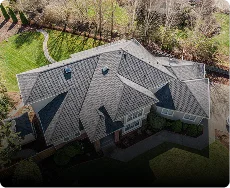
Over the years, roofs deal with everything the Pacific Northwest weather can throw at them. Rain, wind, moss, falling branches, temperature changes, and constant moisture exposure all take a toll. Even a well-installed asphalt roof will eventually reach the end of its service life.
When that happens, the cost is not just the new shingles. It can include tear-off labor, disposal fees, updated flashing, repairs to damaged decking, and additional work needed to bring the roofing system back up to current standards.
A homeowner who chooses asphalt shingles may install one roof, enjoy years of performance, and replace it when needed. That may be the right decision. But a homeowner comparing a roof for a property they plan to own for decades should consider how many times that replacement cycle could happen.
That’s the part of the conversation that gets overlooked when people only compare the first estimate.
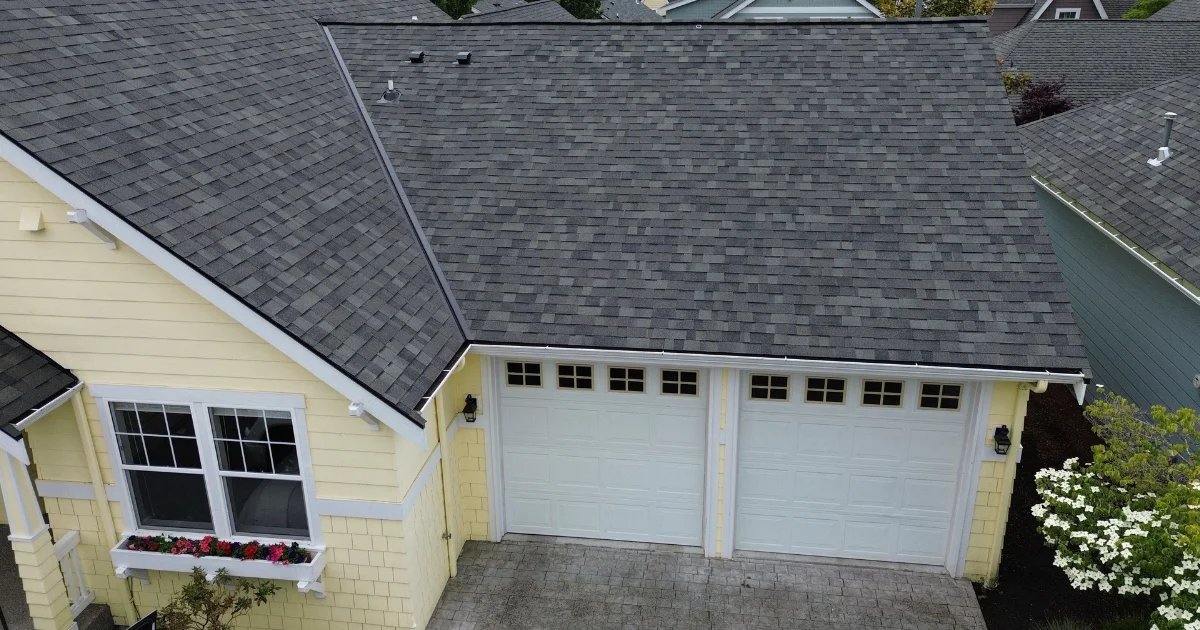
What Happens When You Look at 30, 40, or 50 Years of Ownership?
The difference between metal vs asphalt becomes clearer when you look beyond the first installation.
Let’s say a homeowner purchases a property and plans to stay there for several decades. A roof installed today could impact the cost of owning that home for the next generation.
Asphalt shingles may need replacement sooner depending on the product, installation quality, ventilation, and weather conditions. Over a 40- or 50-year ownership period, a homeowner may go through multiple roofing projects.
Every replacement means another major construction project.
There is scheduling, preparation, noise, crews working around the home, landscaping considerations, and the disruption that comes with removing and replacing a roof. Most homeowners don’t think about those details when they first compare estimates because they are focused on the project happening right now.
Metal roofing changes that timeline.
A properly installed metal roof is designed for decades of service. While metal roofing still requires inspections and maintenance, the replacement cycle is often much longer than traditional asphalt roofing systems.
This does not mean metal roofing is automatically the right answer for every home. A homeowner planning to move in a few years may weigh the investment differently than someone planning to stay in their home for the next 30 years.
The important part is matching the roofing system to the ownership timeline.
We often see homeowners who originally focused only on price start asking different questions once they think about the future. They want to know how many times they may have to replace the roof, what maintenance will look like, and whether the material makes sense for their long-term plans.
Those are the questions that lead to better decisions.
The Pacific Northwest Climate Changes the Conversation
Roofing decisions in Washington are different than they may be in other parts of the country. Asphalt shingles can perform well in this environment when the entire roofing system is installed properly. Proper ventilation, flashing details, underlayment, and maintenance all play major roles in how long the roof lasts because roofing systems require proper installation and maintenance to achieve their expected performance.
A roof in the Puget Sound area has to handle long wet seasons, moisture buildup, evergreen debris, and conditions that encourage moss and organic growth. Homes surrounded by trees often experience additional wear because leaves, needles, and branches can hold moisture against roofing materials.
Asphalt shingles can perform well in this environment when the entire roofing system is installed properly. Proper ventilation, flashing details, underlayment, and maintenance all play major roles in how long the roof lasts.
However, the material itself also matters.
Metal roofing sheds water efficiently and is less vulnerable to some of the common issues homeowners experience with traditional shingle roofs. Moss growth is less of a concern, and the surface is not dependent on asphalt and granules for protection in the same way.
During inspections, we often find that homeowners are surprised by what is happening above their heads. A roof can look fine from the ground while moisture, aging materials, or ventilation problems are already affecting performance.
That is why the conversation should never be only about what the roof looks like. It should be about how the system is expected to perform over time.
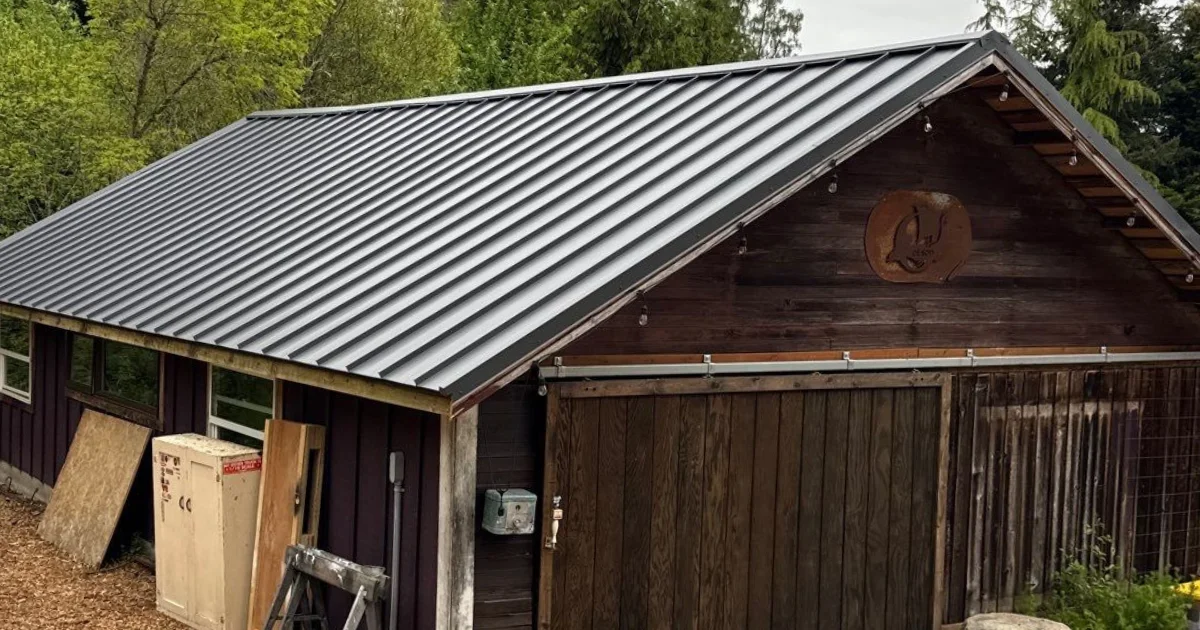
Metal Roofing Requires a Different Way of Thinking
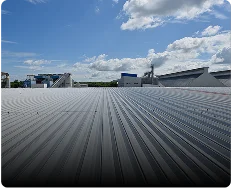
Many homeowners still picture metal roofing as something found on agricultural buildings or commercial properties. Modern residential metal roofing has changed significantly.
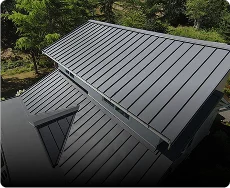
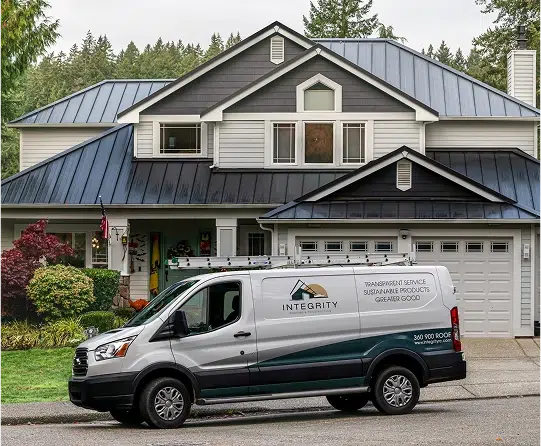
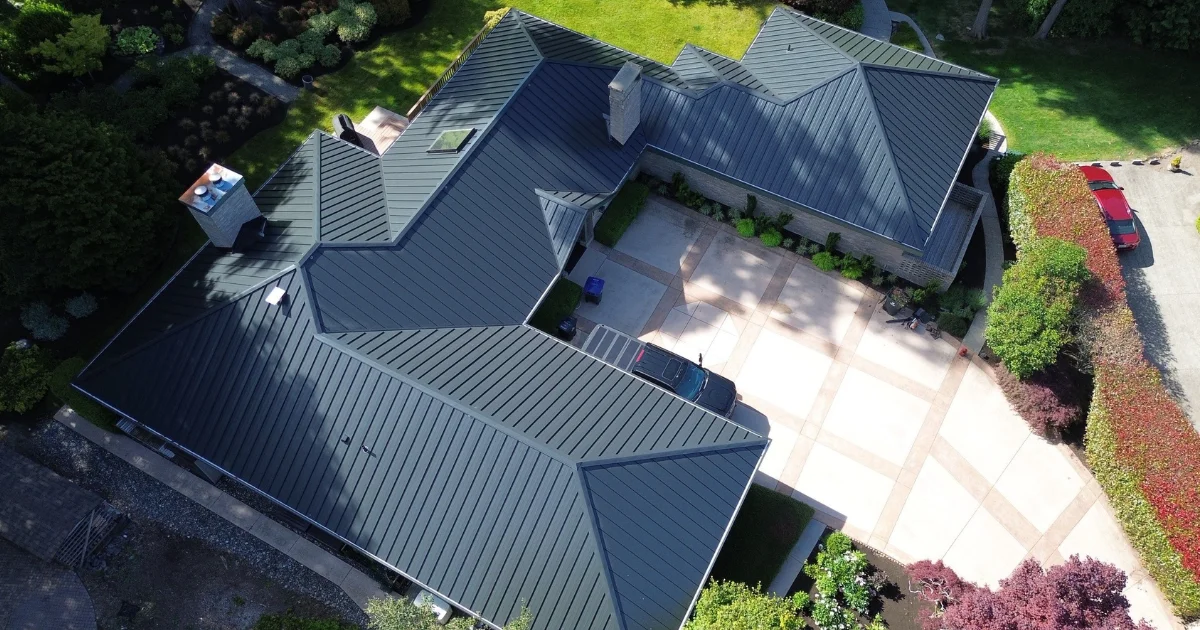
Today’s metal roofing options include clean, architectural designs that fit a wide variety of homes. Standing seam metal roofs, concealed fastener systems, and different panel profiles allow homeowners to achieve a modern appearance while investing in a material designed for long-term performance.
The installation process is also different from asphalt shingles.
Metal roofing requires attention to details like panel movement, fastening methods, flashing, and transitions. Because metal expands and contracts with temperature changes, installation methods need to account for those movements.
This is where experience matters. A metal roof is not simply a shingle roof replacement with different materials. It is a different system that requires the right approach.
When installed correctly, metal roofing can provide decades of performance with routine maintenance. It can also reduce the frequency of major roofing replacements, which is a significant factor for homeowners thinking about total ownership costs.
Choosing the Right Roof Means Looking Beyond Today
There is no single roofing material that works for every homeowner.
Asphalt shingles continue to be a dependable option for many homes, especially when the homeowner’s budget, timeline, and expectations align with that choice. Metal roofing can be a valuable investment for homeowners who want to consider the next several decades of ownership.
The mistake is making the decision based only on the first number on the estimate. A roof is not just a surface covering your home. It is part of the larger structure that protects everything underneath it, and understanding building envelope performance helps homeowners see how roofing, insulation, ventilation, and moisture control all work together.
A roof is one of the largest protective systems on a home. It affects everything underneath it, including insulation, decking, interior spaces, and the overall condition of the building.
When comparing metal vs. asphalt, consider how long you plan to own the home, how much maintenance you want to manage, and what replacement costs could look like in the future.
The upfront price matters. It just should not be the only factor.
Understanding Your Roofing Options Before You Decide
A roofing project is a significant decision, and homeowners deserve to understand what they are investing in before choosing a material.
Integrity Roofing & Construction helps homeowners compare roofing systems based on their home, their goals, and the conditions their roof will need to handle. Whether asphalt shingles or metal roofing makes more sense depends on the details of the property and the expectations of the homeowner.
If you’re considering a new roof and want to understand the difference between short-term cost and long-term value, contact Integrity Roofing & Construction at 360-900-7663 or fill out our online form. A conversation about your options can help you choose a roofing system that fits both your home and your future plans.