

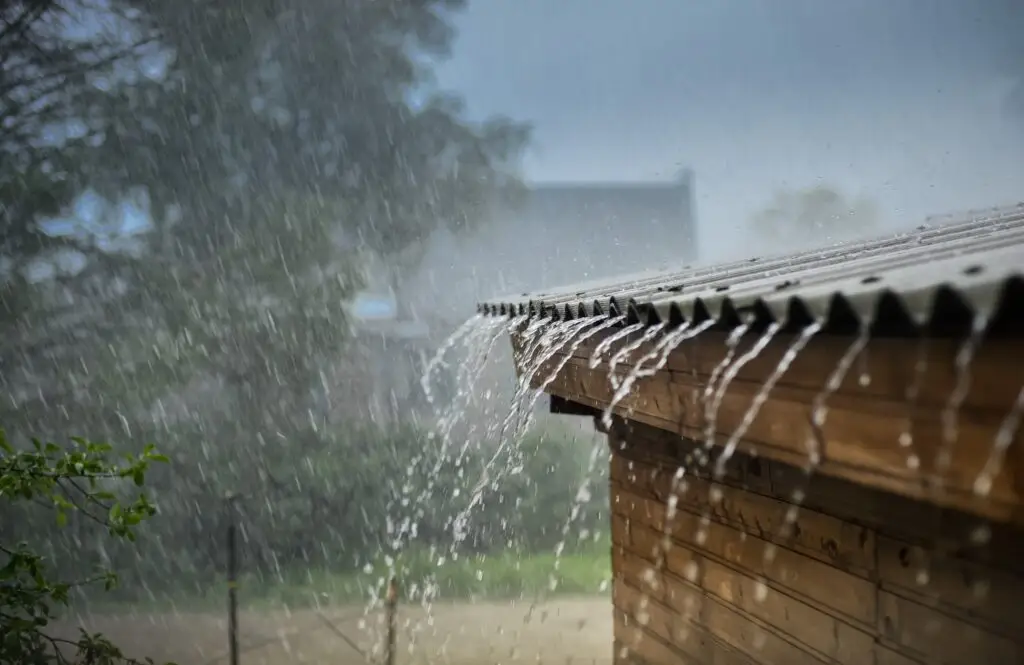
Rain is part of life here, but months of damp weather, wind, and the occasional wet snow test every layer of your roof. Some materials shrug it off with steady care, while others need more attention to stay ahead of moss, algae, and slow leaks. Understanding how your roof responds to this climate helps you plan maintenance before problems reach your attic or drywall. At Integrity Roofing & Construction in Seattle, WA, we help homeowners match roofing materials and upkeep to real Seattle weather.
Asphalt Shingles in Persistent Rain
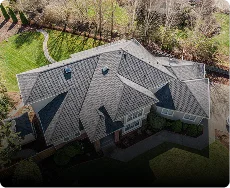
Asphalt shingles remain common because they offer a reasonable mix of cost, appearance, and performance in wet weather, as long as quality and installation are there. In this climate, heavier architectural shingles usually hold up better than thin three-tab products. Strong adhesives on the tabs help resist uplift when storms roll through. The weak spots are exposed nail heads, shallow valleys, low slopes, and aging sealant around vents.
Persistent moss or algae can lift edges and trap moisture. Regular professional cleaning with appropriate treatments, clear valleys, and sound flashings keeps a shingle roof serviceable for many seasons. When you look at Seattle roofing choices, solid shingles from reputable manufacturers still make sense for many homes, provided you stay on top of inspections.
Cedar Shake: High Character, High Care
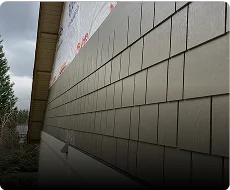
Cedar suits the tree-lined look of many neighborhoods and can perform well when detailed correctly. The challenge is constant moisture. Shaded roofs stay damp, which encourages moss and decay between shakes if they were installed too tightly or too flat. Poor ventilation underneath accelerates the problem. Wind-driven rain also finds its way into aging shakes that split or cup.
If you love cedar, plan on more maintenance than with other coverings. That means professional cleaning on a careful schedule, treatments that respect the wood and local rules, and prompt replacement of damaged shakes. When those steps happen, cedar can still work. Skip them, and you will see premature wear in a wet winter cycle.
Metal Roofing in Coastal Weather
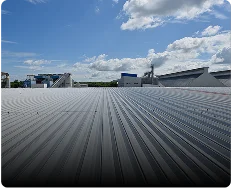
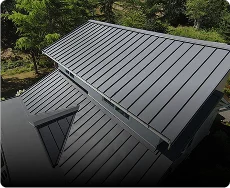
Metal panels have become a favorite for homeowners who want a long service life and clean lines. In a rainy, windy setting, a well-detailed standing seam or high-quality metal shingle sheds water quickly and resists moss growth. Fastener choice and layout matter. Exposed fasteners that back out or lose washers can invite leaks, so systems that rely on concealed clips and continuous panels tend to do better.
Underlayment, trim, and sealant choices also matter because they handle the transitions at hips, ridges, and walls. When installed by experienced crews, metal handles long wet seasons, sheds occasional snow easily, and does not hold moisture the way rougher materials do. It also pairs well with solar when the deck is kept clear of clutter.
Slate and Other High-End Options
Natural slate has a long track record in damp climates. The stone itself handles moisture very well. The risk is in the details. Slats that are too thin, hung on the wrong fasteners, or laid on weak decking can break, slip, or invite wind uplift. Inconsistent flashing work around chimneys and valleys can undermine an otherwise strong material. When done correctly with proper support, slate suits long, wet winters and gives a stable surface that does not feed moss as quickly.
Synthetic products that mimic slate or shake can also perform well when tested and installed for this region, though quality varies. For both natural and composite, you want a contractor who has real experience with the system, not a one-off attempt.
Choosing Materials That Match Local Weather
When people search for the best roofing materials Seattle homes can rely on, the answers usually point back to how well each system handles constant moisture and how realistic the care plan is. Metal and properly detailed high-end shingles often give a strong balance of durability and maintenance needs. Cedar appeals to those who are willing to invest in regular attention.
Slate fits long-term plans with a higher upfront cost and specialized labor. Each roof still depends on smart underlayments, venting, and flashings that suit PNW climate roofing demands. Rather than chasing trends, match the material to your slope, exposure, shade, and maintenance habits so the roof fits your real life, not just a photo.
Plan Ahead With Local Roofing Support
Wet winters will keep testing your home, but your roof does not have to lose that fight. At Integrity Roofing & Construction, our crew handles inspections, leak repairs, full replacements, and upgraded ventilation that helps your roof dry out between storms. If you want a roof that matches the climate instead of fighting it, schedule a visit with Integrity Roofing & Construction and get a practical plan for your home.