



What is a building envelope?
Most homeowners have never heard the term, but they feel the effects of it all the time.
Cold drafts in the winter. Rooms that never seem to stay the same temperature. Moisture showing up where it should not be.
We run into this constantly at Integrity Roofing & Construction. The issue usually is not just the roof or the siding. It is how everything is working together, or not working together.
The building envelope is what separates the inside of your home from the outside environment. When it is dialed in, your home feels consistent and protected. When it is not, small issues start stacking up.
What Is a Building Envelope and What Does It Include?
The building envelope is the full barrier between your home’s interior and the outdoors.
That includes:
- Roofing system
- Siding and exterior walls
- Windows and doors
- Insulation
- Air and moisture barriers
- Foundation transitions
All of these pieces work together to control airflow, moisture, and temperature.
This is where homeowners usually miss it. They replace one component and expect everything to improve.
If the rest of the system is weak, the problem does not go away.
Why the Building Envelope Matters in the Puget Sound
Homes in the Puget Sound area deal with constant moisture exposure.
Long rainy seasons, damp air, and limited drying time put pressure on every part of the building envelope.
We see homes in Tacoma, Olympia, and surrounding areas where everything looks fine at a glance. Then you start digging deeper and find moisture sitting where it should not be.
This is where the building envelope either does its job or starts to fail.
If water is not being directed out and away properly, it will find a way in.
How a Building Envelope Controls Moisture
Moisture control is one of the biggest jobs this system handles.
Water comes at your home from multiple directions:
- Rain hitting the roof and walls
- Ground moisture rising upward
- Interior humidity trying to escape
A properly functioning building envelope manages all of it.
This includes shedding water off surfaces, sealing vulnerable areas, and allowing trapped moisture to dry when needed. According to the U.S. Department of Energy, controlling air flow and moisture movement is critical to preventing long-term structural damage and maintaining energy efficiency.
When this system breaks down, we start to see:
- Rotting wood
- Mold growth
- Insulation that no longer performs
And at that point, repairs get more involved.
Air Leaks and Energy Loss Add Up Faster Than You Think
Air movement is one of the most overlooked parts of the building envelope.
Even small gaps allow conditioned air to escape and outside air to enter. That creates a constant cycle where your home is trying to catch up.
We walk into homes where the complaint is high energy bills, but the real issue is uncontrolled air movement.
This is where homeowners usually notice:
- Drafts near windows or walls
- Temperature differences between rooms
- HVAC systems running more than they should
A tight building envelope helps stabilize all of that.
Common Signs Your Building Envelope Is Failing
Most issues do not show up all at once.
They build slowly, and homeowners often notice pieces of the problem before connecting them.
We regularly see:
- Water stains on ceilings or walls
- Peeling paint or bubbling drywall
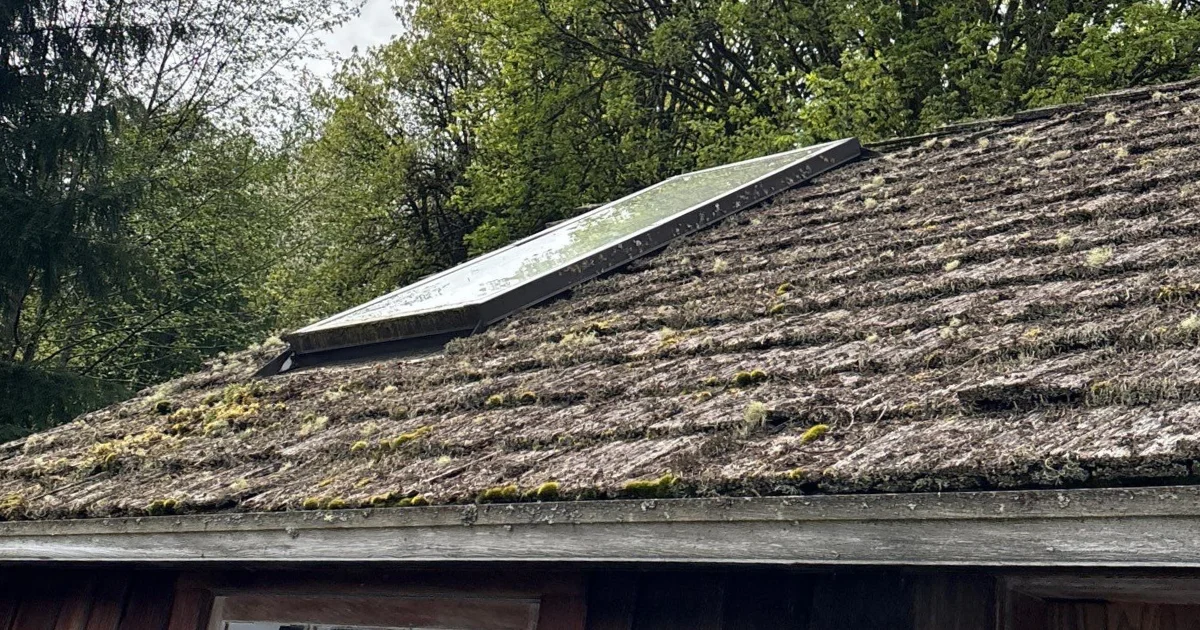
- Moss buildup on roofing
- Drafts that were not there before
- Energy bills creeping up
These are not isolated problems. They are signals that something in the system is not working.
Why Roofing, Siding, and Windows Must Work Together
This is one of the biggest disconnects we run into.
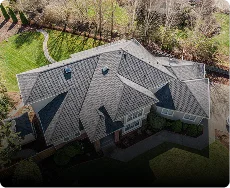
Roofing, siding, and windows are often treated as separate projects. In reality, they are all tied into the same system.
For example:
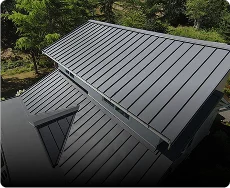
- Roofing handles the bulk of water runoff
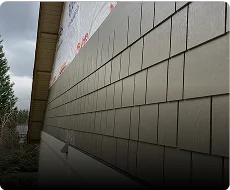
- Siding sheds and redirects moisture
- Windows and doors need proper sealing and flashing
If one of these is installed incorrectly, it affects everything around it.
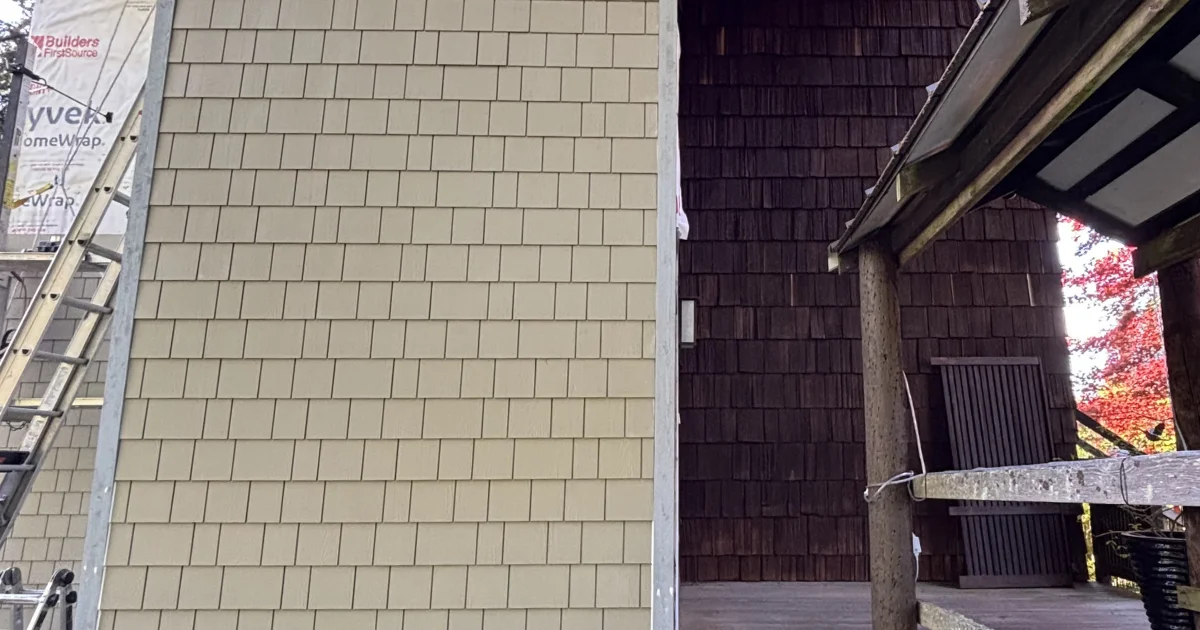
We have seen new siding jobs fail because flashing details were skipped. The siding was not the problem. The connection points were.
That is the difference between replacing parts and actually improving the building envelope.
All components must function as one system, because building envelope components must work together for energy efficiency and overall home performance.
How a Strong Building Envelope Protects Your Investment
A properly functioning building envelope does more than just keep the weather out.
It helps:
- Reduce repair costs
- Improve energy efficiency
- Extend the life of your home’s structure
Homeowners who stay ahead of these issues tend to deal with smaller, more manageable fixes.
The ones who ignore early warning signs usually end up with larger repairs that could have been avoided.
What to Do If Something Feels Off
If you have been noticing drafts, moisture, or changes in how your home feels, it is worth paying attention to.
This is where homeowners usually pause too long, hoping it is nothing.
Sometimes it is minor. Sometimes it is the start of something bigger.
At Integrity Roofing & Construction, we look at the full system, not just one piece. That gives you a clear picture of what is actually happening and what needs attention.
Call 360-900-7663 to schedule an inspection or fill out our online form to get a better understanding of how your building envelope is performing.