

By Nathan Maille
Most homeowners don’t start out thinking about siding styles. Usually, it starts with something else. Paint is failing, boards are swelling, or moisture has started getting in where it shouldn’t.
Then the conversation shifts to replacement, and that’s where the bigger question shows up. Most homeowners start looking into different Hardie siding styles at that point.
What do you actually want your home to look like?
At Integrity Roofing & Construction, we see this all the time. Someone knows they need new siding, but once they realize how many options there are, it gets overwhelming fast. The good news is you don’t need to overcomplicate it. Once you understand the main styles and where they work best, it starts to come together.
Why Hardie Siding Is So Common Around Here
Before getting into styles, it’s worth understanding why so many homes in the Pacific Northwest end up with Hardie in the first place.
Moisture is the big factor. We deal with long wet seasons, shade, and a lot of areas where things don’t dry out quickly. Traditional wood siding can look great, but it takes maintenance. If that maintenance slips, even for a couple of seasons, you start seeing rot, swelling, and paint failure.
This is where we see homeowners get frustrated. They feel like they’re constantly repainting or patching sections, and it never really feels done.
Fiber cement siding performs differently because of how it’s built. It’s designed to handle exposure, but it’s still affected by real environmental conditions. Studies on fiber cement materials show that exterior boards are constantly exposed to moisture, temperature changes, UV radiation, and other weather-related stress that impact long-term durability
Hardie Siding Styles: The Complete Guide to Choosing the Right Look for Your Home
Hardie siding holds up better in these conditions. It doesn’t absorb moisture the same way wood does, and it handles temperature swings without breaking down as quickly. That doesn’t mean it’s maintenance-free, but it’s a lot more forgiving.
Once that decision is made, the next step is figuring out which direction to go with the design.
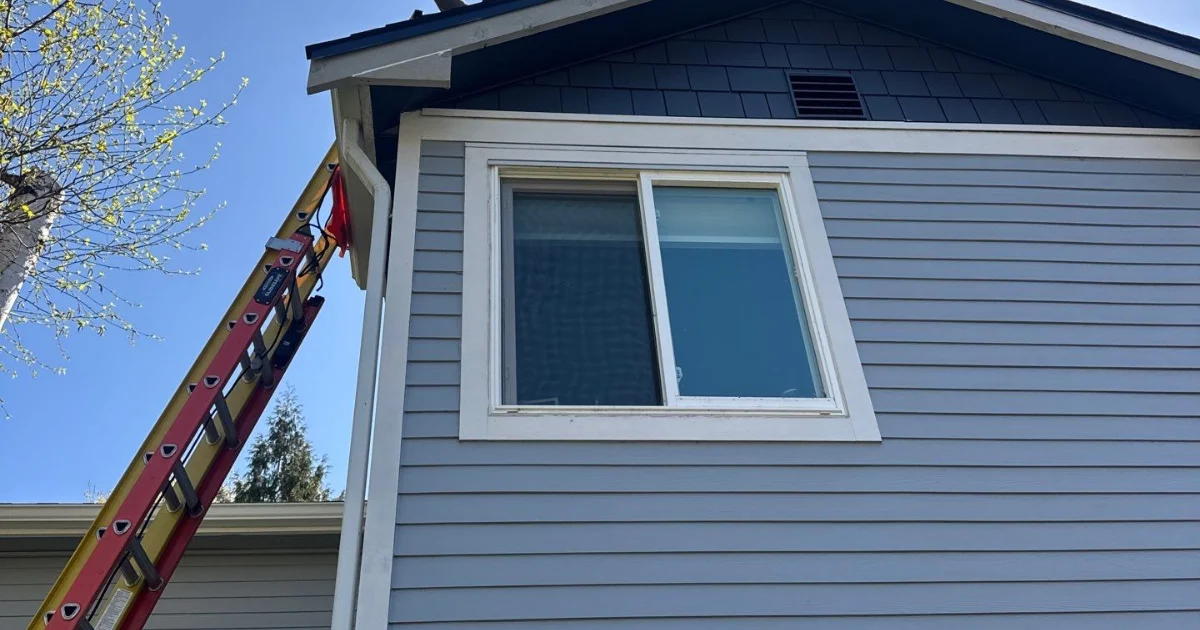
Lap Siding: One of the Most Popular Hardie Siding Styles
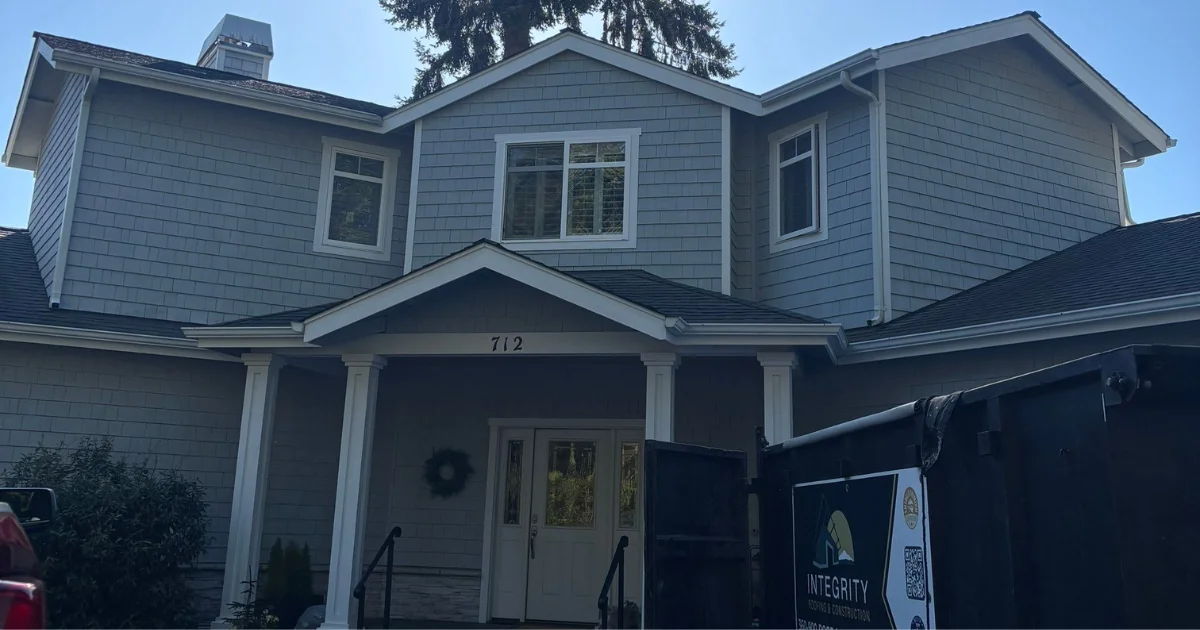
Lap siding is what most people picture when they think of a house. Horizontal boards, clean lines, and a pretty classic appearance.
Out of all the Hardie siding styles, this is the one we install the most.
It works on almost any home. Older houses, newer builds, even homes that don’t have a clearly defined style. Lap siding just fits. It gives you a clean, finished look without drawing too much attention to itself.
Where homeowners usually get stuck is the details. Board width makes a bigger difference than people expect. A wider reveal can make the house feel more modern, while a narrower one leans more traditional.
We’ve had jobs where changing that one detail completely shifted the look of the house.
If you’re not sure where to start, this is usually the safest option. It’s hard to get wrong.
Board and Batten Siding: A More Vertical, Standout Option
Board and batten has gotten a lot more popular over the past few years. It’s one of the Hardie siding styles homeowners choose when they want something that stands out a little more.
You’ve probably seen it without realizing it. Vertical boards with raised strips covering the seams.
This style draws your eye upward and gives the house a taller, more structured look. We see a lot of homeowners lean this direction when they want to update the exterior without going too far into a modern design.
One thing we run into is scale. On smaller homes, board and batten can feel a little busy if the spacing isn’t right. On larger homes, it tends to balance things out better.
This is where layout matters more than people expect. We spend time walking through spacing options because small changes can make a big difference once it’s all installed.
Shingle Siding: Adding Texture and Depth
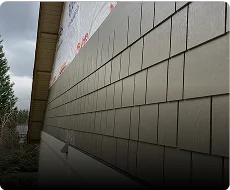
Shingle-style siding is where you start adding more texture. Among Hardie siding styles, this one is all about depth and detail.
Instead of long boards, you get smaller individual pieces that create a patterned surface. It’s often used in gables or accent areas rather than across the entire house.
We usually recommend this when a home feels a little flat or boxy. Adding shingles in the right spot can break things up and give the exterior more character.
There’s a tradeoff. It’s more detailed, so installation takes longer. It also tends to work better as an accent instead of the main siding across the entire house.
This is where homeowners start mixing styles, and that’s when the design really comes together.
Mixing Hardie Styles the Right Way
A lot of the best-looking homes we work on don’t stick to just one option.
Mixing different Hardie siding styles is where homeowners can really change the overall look of their house.
You might see lap siding on the main body, board and batten on the front, and shingles in the gables. When it’s done right, it feels intentional, not random.
We’ve also seen the opposite. Too many combinations, and the house starts to feel busy. Not enough contrast, and everything blends together.
This is where we step in and help guide the layout. Rooflines, window placement, and entry points all play a role in where different styles should go.
It’s not just about picking what looks good on its own. It’s about how everything works together on your specific home.
Color and Trim: What Makes It All Work
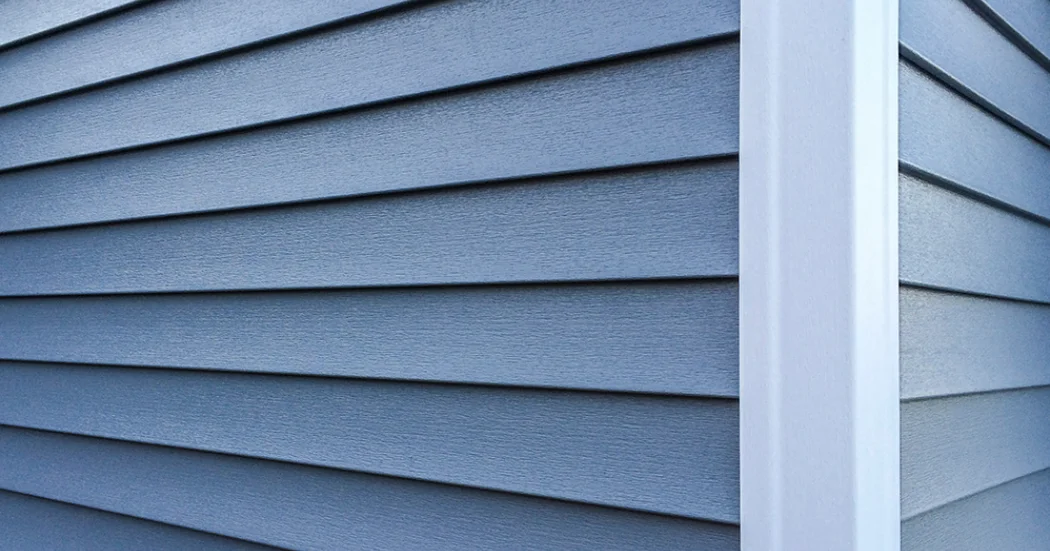
Siding style is only part of the decision. Color and trim are what tie everything together.
We’ve seen projects where the siding choice was solid, but the color didn’t quite work with the roof or the surroundings. Around here, you’ve got a lot of natural greens, grays, and softer tones. Bright colors can work, but they need to be balanced.
Trim is another piece that gets overlooked. The width and color of your trim can either highlight your siding or flatten the whole look.
This is usually where homeowners notice the biggest difference once the project is done. It’s not just the siding. It’s how everything comes together.
Where Homeowners Usually Get Stuck
Most people don’t struggle with picking a style. They struggle with feeling confident in the decision.
We run into a lot of second guessing. Homeowners worry they’ll pick something and regret it once it’s installed.
The way we approach it is by narrowing things down based on the house itself. Not every option works on every home, and that’s actually helpful. It eliminates a lot of noise.
Once you get down to a few solid options, the decision becomes a lot easier.
How to Choose the Siding Style
If you’re trying to figure this out, start simple.
Stand out front and look at your house. What feels off? What would you want to change?
If you want something safe and timeless, lap siding is usually the move. If you want more structure or a slightly updated look, board and batten might make more sense. If your home needs more depth, shingles can help with that.
From there, it’s about combining those ideas in a way that fits your home, not just something you saw online.
This is where having someone walk the property with you makes a difference. We’ve seen enough of these projects to know what tends to work and what usually doesn’t.
What Actually Works For Your Home
Choosing between different Hardie siding styles isn’t just about picking something that looks good in a photo. It’s about how it fits your home, your layout, and the conditions we deal with here.
We’ve seen homeowners go from overwhelmed to confident once they start breaking it down piece by piece.
If you’re starting to look at your siding and aren’t sure which direction to go, reach out to Integrity Roofing & Construction at 360-900-7663 or fill out our online form. We can walk your property, talk through the options, and help you land on something that actually works for your home.