

Fall roof maintenance is the perfect way to prepare your roof for the colder months ahead. Regular fall roof maintenance helps homeowners prevent expensive winter repairs and protect their home’s structure. Cooler temperatures, falling leaves, and early winter storms can expose weak spots or worsen existing damage. Many homeowners do not realize that routine roof maintenance in the fall can prevent expensive repairs during the winter. By completing a few simple tasks now, you can protect your home, extend the life of your roof, and maintain the safety of your family. Follow these essential steps to ensure your roof is ready for whatever the season brings.
Your Complete Fall Roof Maintenance Checklist
1. Inspect Your Roof for Damage During Fall Roof Maintenance
Check for Missing or Damaged Shingles
Shingles endure a lot of stress throughout the year. Heat in the summer can cause them to warp, while windstorms can loosen or tear them. Missing or damaged shingles may seem minor, but even small gaps can allow water to seep in, causing leaks and structural damage. As part of your fall roof maintenance routine, take time to inspect shingles for curling or cracks. These small issues can quickly worsen during heavy fall rains. Walk around your home and inspect your roof from a safe distance or hire a professional to perform a detailed inspection. Replacing damaged shingles now is a cost-effective way to prevent larger problems later.
Look for Cracks or Leaks Around Flashing
Flashing is the metal or waterproof material installed around chimneys, vents, skylights, and roof edges. Over time, flashing can crack, loosen, or deteriorate, leaving your home vulnerable to water penetration. Even a small gap can allow water to seep under shingles and into your attic. Checking and repairing flashing in the fall ensures your roof is prepared for heavy rain and snow.
Examine the Roof Edges and Gutters
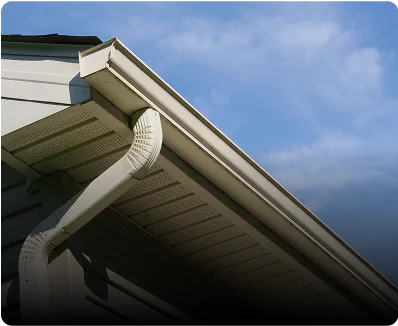
The edges of your roof and gutters play a crucial role in directing water away from your home. Inspect shingles along the roofline for curling or lifting, and make sure gutters are firmly attached and free from damage. Loose shingles or damaged gutters can lead to water pooling, which increases the risk of leaks and foundation issues.
2. Clean and Protect Your Gutters as Part of Fall Roof maintenance
Remove Leaves and Debris
Clogged gutters are one of the leading causes of roof damage in the fall. Leaves, twigs, and other debris can block the flow of water, causing it to overflow onto your roof and siding. Standing water can also lead to rot, mold, and ice dams when temperatures drop. Take the time to clean out gutters and downspouts to keep water flowing freely.
Check Downspouts for Blockages
Ensure downspouts direct water at least a few feet away from your home’s foundation. Blocked downspouts can cause water to pool near your home, potentially damaging the foundation, basement, or crawl space. If necessary, extend downspouts to guide water further away from your property.
3. Trim Overhanging Branches to Support fall Roof Maintenance Efforts
Why Branches Can Be Dangerous
Branches that hang over your roof can pose serious risks. During storms, high winds may break branches, causing them to fall and damage shingles or gutters. Overhanging branches can also drop leaves directly onto the roof, contributing to clogs and moisture buildup. Trimming branches before the stormy season can prevent these issues and keep your roof in better condition.
How to Safely Trim or Hire a Professional
If branches are high or located in difficult-to-reach areas, it is safest to hire a professional tree service. Attempting to trim high branches yourself can be dangerous. Professionals have the proper tools and safety equipment to remove branches without causing damage to your roof or property.
4. Inspect Attic and Insulation
Look for Signs of Leaks or Moisture
A roof inspection is not complete without checking your attic. A thorough attic inspection is a vital part of fall roof maintenance because leaks often start small and go unnoticed until winter. Look for water stains, damp insulation, or mold growth, all of which may indicate a leak. Detecting these issues early can prevent more serious damage during heavy rain or snow. Moisture in the attic can also reduce insulation effectiveness, leading to higher energy bills.
Check Ventilation
Proper attic ventilation is critical for maintaining the health of your roof. Without adequate airflow, moisture can accumulate, creating conditions for mold and ice dams. Ensure vents are clear of debris and functioning correctly to promote airflow and protect your home.
Seal Any Gaps
Inspect for small gaps, cracks, or openings where warm air could escape or water could enter. Minor gaps can often be sealed with caulk or foam insulation. Larger issues may require a professional to ensure your attic and roof remain properly protected.
5. Prepare for Winter Weather with Fall Roof Maintenance
Protect Vulnerable Roof Areas
Valleys, flashing, and areas around chimneys are particularly vulnerable during winter storms. Inspect these spots carefully and make any necessary repairs to prevent leaks. Reinforcing these areas now reduces the risk of damage from ice, snow, and wind.
Schedule Repairs Before Snow Arrives
Waiting until winter to address roof problems can be risky and costly. Scheduling repairs in the fall allows professionals to complete work in safer, drier conditions. Early action prevents emergency situations during freezing temperatures.
Install Ice and Water Shield if Needed
Ice and water shields provide extra protection in areas prone to ice dams. These barriers help prevent water from seeping under shingles during freezing conditions. A professional roofer can recommend the best solution for your home based on your roof type and climate.
Schedule Your Fall Roof Maintenance Inspection Today
Fall roof maintenance is essential to protect your home from winter weather. Inspect your roof, clean your gutters, trim overhanging branches, check your attic, and schedule any necessary repairs now. Taking these steps early can save you time, money, and stress while extending the life of your roof.
Schedule your fall roof inspection today and keep your home safe throughout the winter. Our experienced team can ensure your roof is prepared for cold, storms, and heavy precipitation.