

By Nathan Maille
Most homeowners never think about what is happening behind their siding until something goes wrong. From the outside, everything can look clean and protected, but underneath, there is an entire system working to keep water out and your home structurally sound. At Integrity Roofing & Construction, this is one of the most common areas where hidden problems are found during inspections across Kitsap County and the greater Pacific Northwest.
The Hidden System Behind Your Siding
Siding is only the outermost layer of protection on your home. What really matters is what sits behind it and how those layers work together.
A properly built wall system typically includes:
- Structural sheathing, usually plywood or OSB
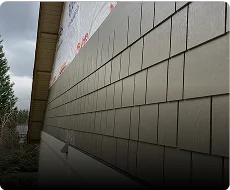
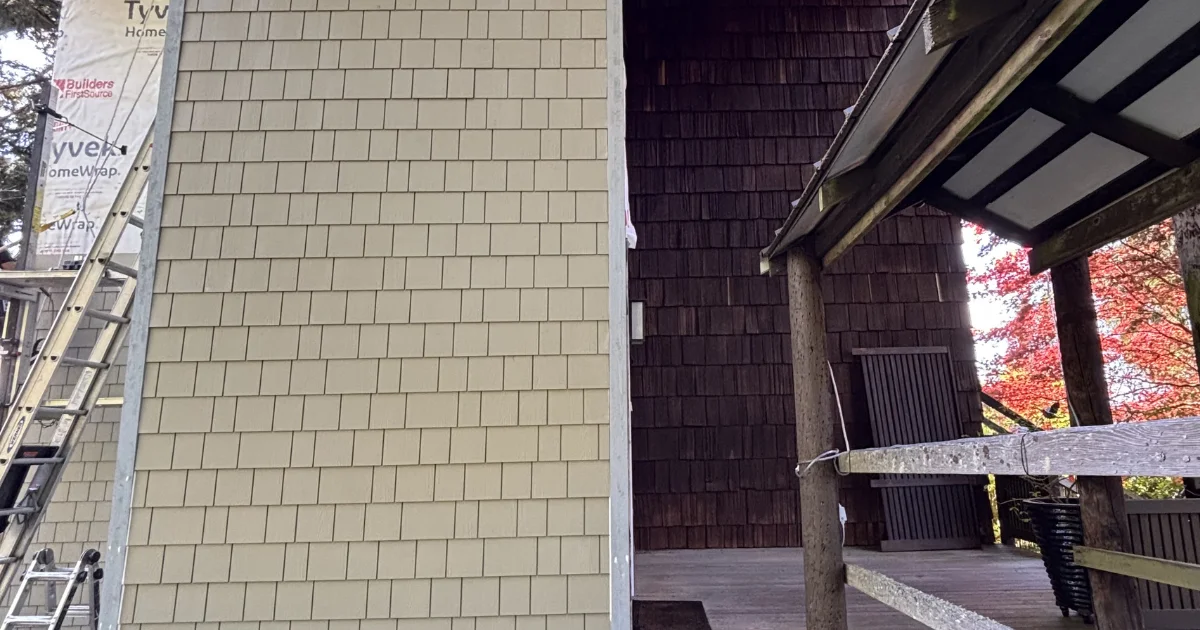
- A weather-resistant barrier, often house wrap like Tyvek
- Flashing around windows, doors, and penetrations
- Ventilation or drainage space, depending on the system
- The siding itself
Each of these components plays a role in managing water. Not stopping it completely, but controlling where it goes and how it dries.
If even one of these layers is missing, installed incorrectly, or damaged, water can get trapped behind the siding. Proper water-managed wall systems are designed to direct water away from vulnerable areas and allow the wall assembly to dry. That is where problems begin.
Moisture Problems Start Small
Water intrusion behind siding rarely starts as a major issue. It usually begins with something minor that goes unnoticed.
Common entry points include:
- Improperly installed flashing
- Cracked or aging caulking
- Gaps around windows or doors
- Poor transitions between materials
- Wind-driven rain working its way behind siding
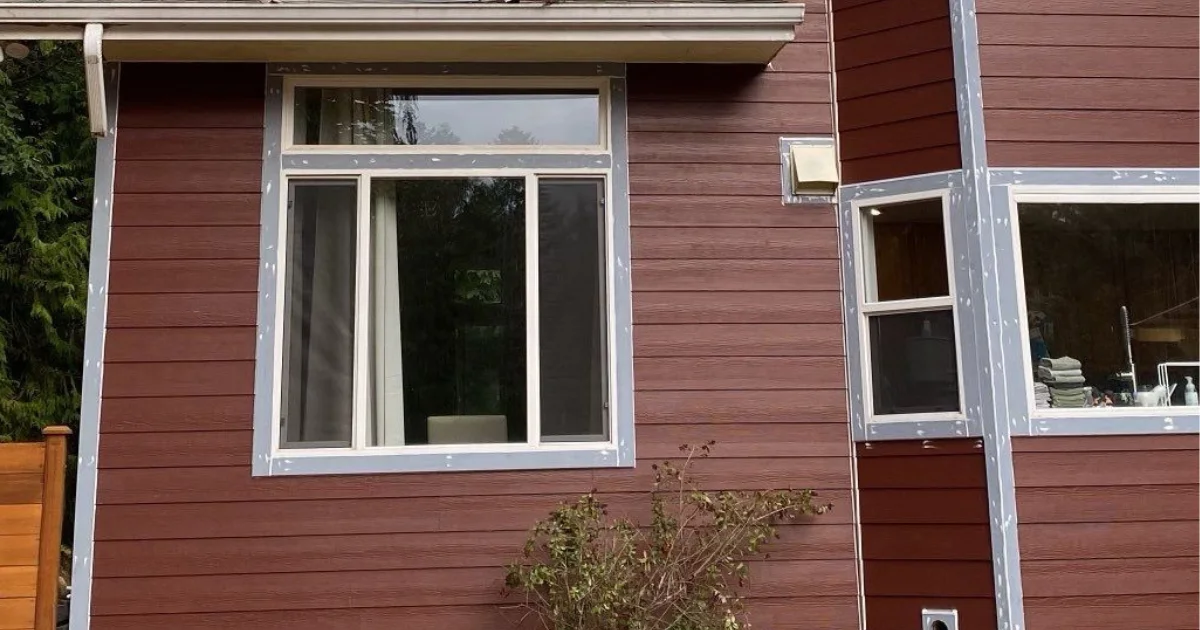
This is not a rare situation. On job sites, we regularly open up walls that look completely fine from the outside, only to find moisture damage that has been building for years. It usually starts with something small, like a missed flashing detail or aging sealant, but once water gets in, it does not dry out easily in our climate. That trapped moisture leads to soft sheathing, mold growth, and in some cases structural repairs that could have been avoided with earlier intervention.
In the Pacific Northwest, this process can happen faster than many homeowners expect because of consistent rain and limited drying time.
What Happens When Moisture Gets Trapped
Once water gets behind siding, the biggest issue is not just that it is there. It is that it stays there.
This can lead to:
- Rotting sheathing and framing
- Mold and mildew growth
- Insulation damage
- Interior leaks and staining
- Reduced structural integrity over time
When moisture cannot escape, it can lead to serious problems throughout the home. Proper building moisture control guidance emphasizes managing water movement during the design, construction, and maintenance of buildings.
These problems often remain hidden until visible symptoms show up inside the home or the siding begins to fail.
By that point, repairs are usually more extensive than just replacing siding.
Why Proper Installation Matters More Than Material
Homeowners often focus on choosing the right siding material, whether that is fiber cement, wood, or composite. While material does matter, installation is what determines long-term performance.
At Integrity Roofing & Construction, a big part of siding work is not just what you see at the end, but how everything is layered underneath to manage water properly for the long term.
Key installation details that make a difference:
- Correct layering of the weather barrier
- Properly integrated flashing at all penetrations
- Sealed transitions between materials
- Creating a drainage plane for water to escape
- Allowing airflow for drying when needed
Even the best siding product will fail if these details are overlooked.
The Role of Siding in Your Home’s Building Envelope
Your siding is an important part of your home’s building envelope, but it is only one piece of a much larger system. The building envelope is designed to separate the inside of your home from the outside environment while controlling water, air movement, heat transfer, and moisture.
When every layer works together, your home stays more comfortable, energy efficient, and protected from the elements. However, when one part of the system fails, the effects can spread to other areas. A small issue behind siding can impact insulation, indoor air quality, and the overall durability of your home.
Understanding what happens beneath the surface helps homeowners make better decisions when repairs or replacements are needed. Siding should not just look good from the outside. It should be installed as part of a complete system designed to protect your home for years to come.
Signs Something Might Be Wrong Behind Your Siding
Because these issues are hidden, homeowners often rely on subtle warning signs.
Things to watch for include:
- Warped or bulging siding
- Peeling paint or staining
- Soft spots when pressing on exterior walls
- Musty smells inside the home
- Unexplained interior water damage
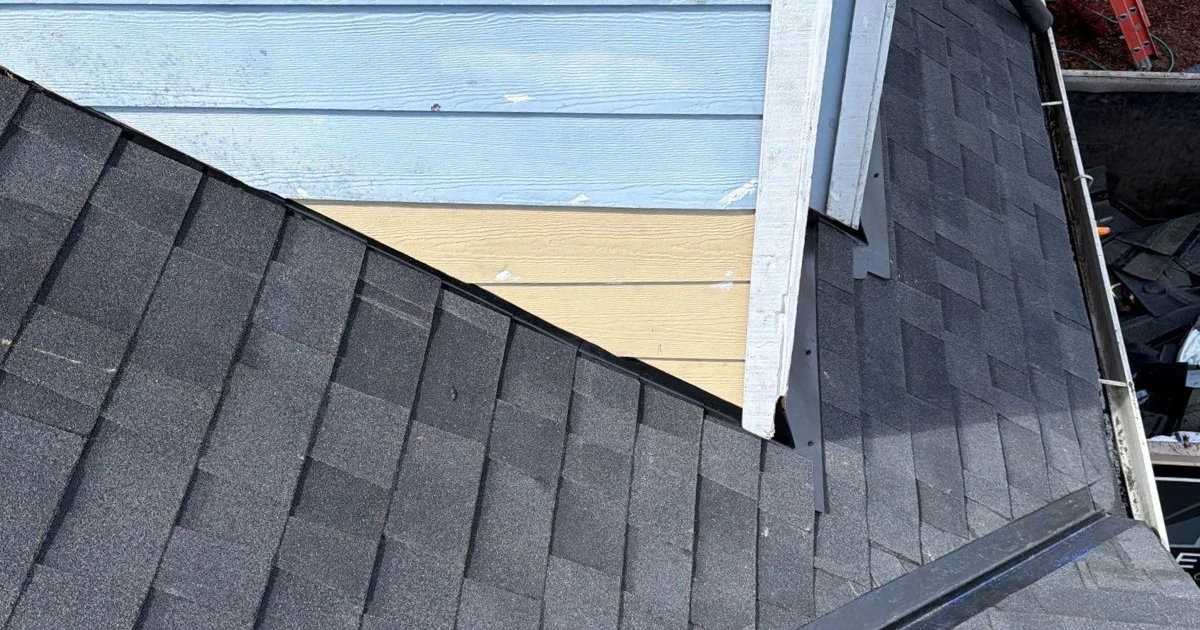
These signs do not always mean major damage, but they do mean it is worth taking a closer look before the problem gets worse.
Why This Matters for Homes in the Pacific Northwest
Homes in Kitsap County and surrounding areas face constant exposure to moisture. Rain, humidity, and limited sun all contribute to conditions where water does not dry quickly.
That makes proper water management behind siding even more critical.
A well-built system will:
- Direct water down and out
- Prevent intrusion at vulnerable points
- Allow materials to dry when they get wet
- Protect the structural components of your home
Without that system working correctly, even a newer home can develop hidden damage over time.
Take Action Before Small Issues Become Major Repairs
Small issues behind siding can turn into major repairs if they go unnoticed. If you have seen signs like staining, warping, or moisture concerns, it is worth having it looked at before it spreads. The team at Integrity Roofing & Construction helps homeowners throughout Kitsap County and surrounding areas catch these problems early and fix them the right way.
Call 360-900-7663 to schedule a siding inspection or fill out our online form. We will help you get clear answers about what is really happening behind your walls.