



By Kes Anderson
Summer in Washington is deceptive. It does not feel extreme in the same way other places do, but upstairs rooms tell a different story. You get those bedrooms that stay hot well into the evening, even after the sun is gone. AC running longer than it should. People usually blame the weather or insulation, but the roof system is often part of what is going on.
What we see at Integrity Roofing & Construction is pretty consistent. Homeowners do not realize the attic is holding heat until it starts affecting daily comfort. By the time it is noticeable inside the living space, the attic has usually been overheating for a while.
An overheated attic is not just a comfort issue. It changes how the entire home performs during the summer months.
Why Attics Overheat in Washington Homes
Most attic overheating starts with trapped heat that cannot escape. Homes in Washington are usually built with insulation priorities aimed at colder months, so summer performance is not always balanced the same way.
Heat hits the roof surface during the day, transfers into the attic, and then just sits there if airflow is weak, directly impacting attic airflow patterns and temperature distribution. That is the key issue. It’s not the heat coming in. It’s the heat not leaving.
We run into this constantly in older homes and even newer builds where ventilation was not fully thought through. Sometimes the system is there on paper, but in practice it is partially blocked or not moving air the way it should.
And once that heat builds up, it does not reset quickly. It carries into the evening, which is why upstairs rooms feel stuck warm even after temperatures drop outside.
Roofing Materials and Why Heat Moves Differently Through Them
The roofing surface is the first layer that deals with solar heat, and it absolutely affects attic temperatures.
Dark asphalt shingles absorb more heat during direct sun exposure. That heat does not just stay on the surface. It radiates downward into the attic space throughout the day.
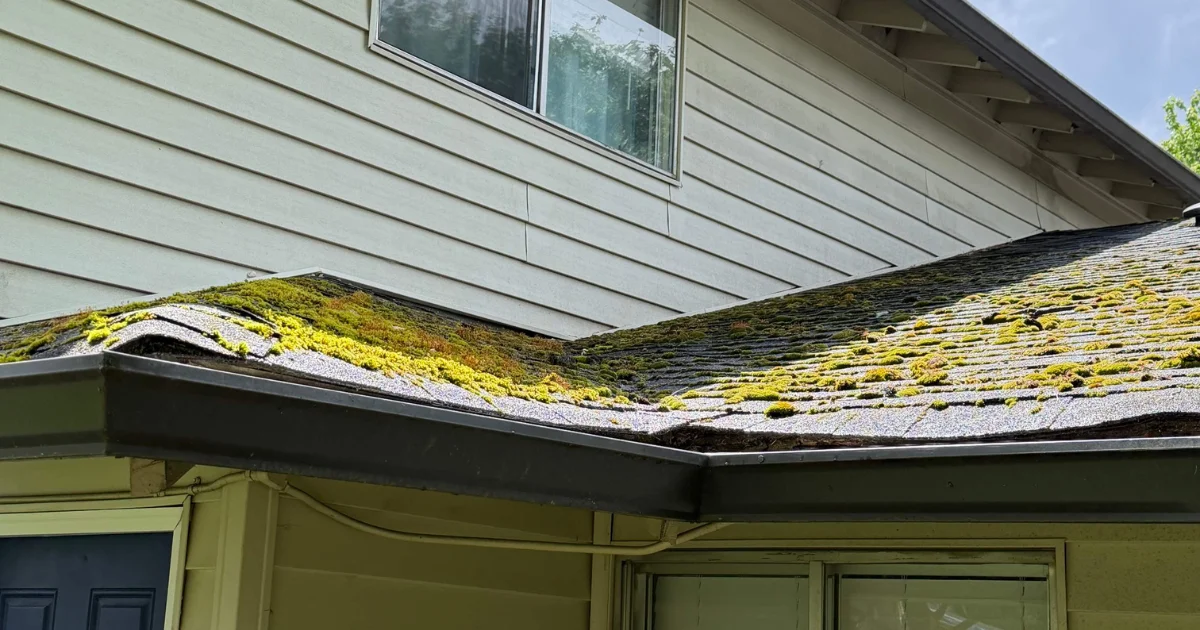
We also see older roofing systems hold heat longer, especially when shingles are worn or the surface has started to break down. It is not always visible from the ground, but the thermal behavior changes as the roof ages.
A roof is not just a weather barrier. It is also a heat control layer, whether it is designed that way or not.
Ventilation Problems That Actually Cause the Heat Buildup
Ventilation is usually where the real issue lives.
Air needs a clear path in and out of the attic, and when that balance is off it disrupts attic ventilation configuration and air distribution.
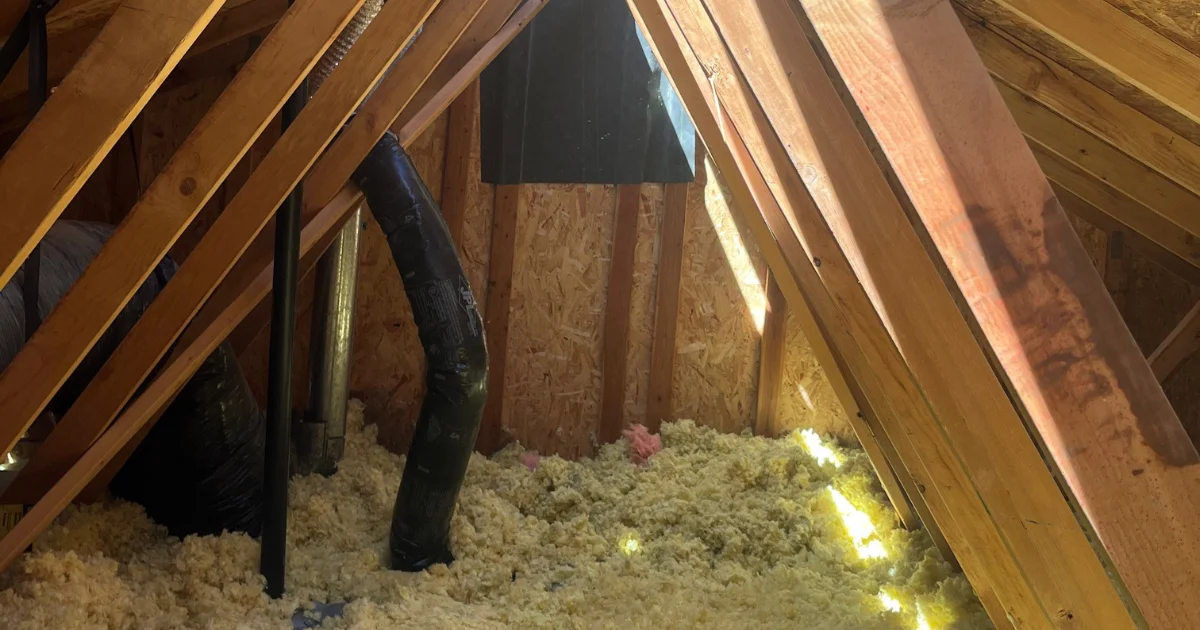
We see soffit vents blocked by insulation all the time. Ridge vents that are too small for the roof size. Systems that were installed in pieces over time instead of being designed as one airflow system.
When air cannot move, the attic becomes a heat trap. And once it starts, it does not fix itself.
This is one of those problems that looks minor until you spend time inside the attic during peak heat. Then it becomes obvious fast.
Roof Design and Why Some Homes Overheat More Than Others
Roof shape and layout play a bigger role than most people expect.
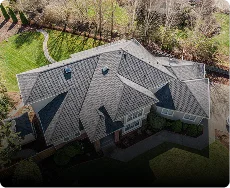
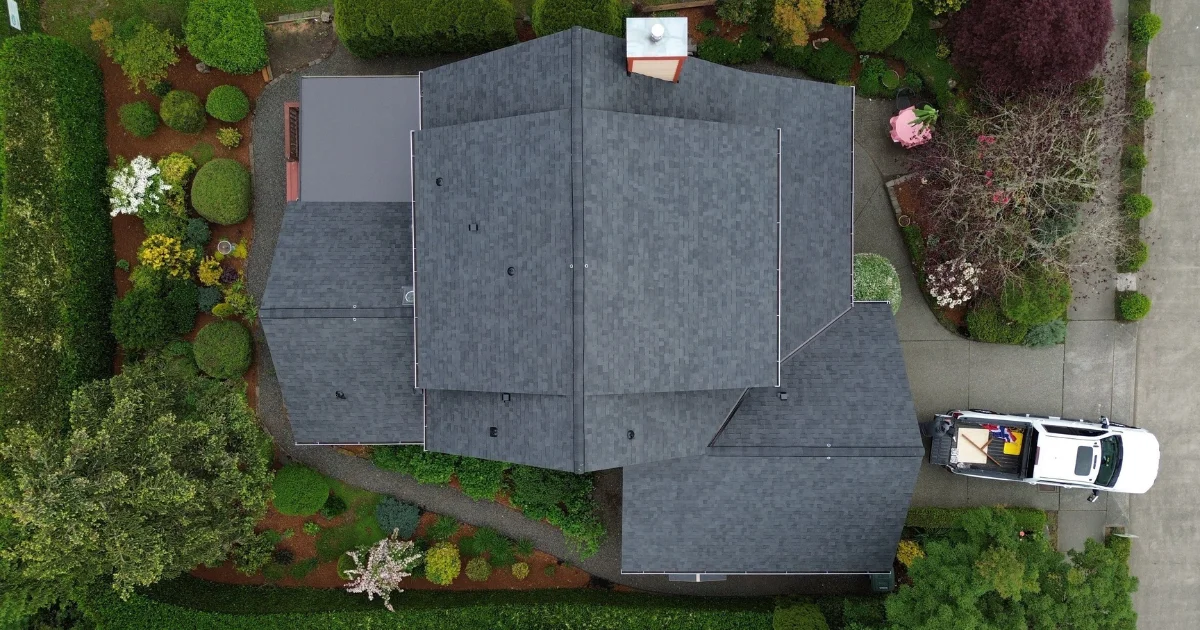
Simple rooflines tend to move heat more evenly. More complex layouts with valleys, dormers, and tight framing tend to trap heat in specific areas.
We see this a lot in homes where one upstairs room is significantly hotter than the others. It is not always insulation. It is often heat getting trapped in one section of the roof structure and radiating down unevenly.
That uneven heat distribution is what makes the problem feel inconsistent inside the home.
What It Actually Feels Like When an Attic Is Overheating
Most homeowners do not check their attic regularly, so the first signs show up inside the living space.
Upstairs rooms staying warm long after sunset is one of the most common signs. HVAC systems running longer cycles without actually improving comfort is another.
When you do get into the attic during the day, it can feel noticeably hotter than expected. Not just warm, but trapped heat that has nowhere to go.
Sometimes insulation feels like it is doing its job, but the space itself is still holding heat. That is usually a ventilation issue, not an insulation failure.
Why This Matters More Than Comfort Alone
Heat buildup in the attic does more than make rooms uncomfortable.
It forces HVAC systems to work harder and longer, which increases energy use over time. That constant cycling adds wear to the system.
It also affects roofing materials. Excess heat trapped under the roof deck speeds up aging in shingles and underlayment. Over time, that reduces overall roof lifespan even if there are no visible leaks or damage yet.
This is not a sudden failure situation. It is slow wear that compounds every summer.
What Actually Helps Reduce Attic Heat in Real Homes
The most effective improvements usually come down to airflow and system balance.
Ventilation corrections are usually the first step. Making sure air can actually move through the attic the way it is supposed to makes a noticeable difference.
Sometimes it is as simple as clearing blocked intake points. Other times it requires adjusting how the ventilation system is working across the whole roof.
Roof condition also matters. As roofing systems age, they do not reflect or release heat as effectively, which adds to the overall load on the attic space.
It is rarely one single fix. It is usually a combination of airflow, roof condition, and system balance.
What We See Work Long-Term
Homes that stay more comfortable through summer usually have one thing in common. The attic can breathe.
Air moves in and out without restriction. Heat does not sit and stack up during the day. The roof system is not fighting against itself.
At Integrity Roofing & Construction, we usually treat attic heat issues as a system problem, not a single cause issue. Roof, ventilation, and insulation all interact, and if one part is off, the rest feel it.
That is usually where the real fix starts.
What This Means for Your Home
If upstairs rooms in your home are running hotter than they should, the attic is usually part of the equation. It might not be the only factor, but it is often one of the main ones.
Washington homes deal with more heat buildup than people expect during summer because the system is not always designed for heat release, just heat resistance.
If you are noticing those patterns, it’s worth looking at what is happening above the ceiling before it turns into a long-term comfort and efficiency issue. Contact Integrity Roofing and Construction, or fill out our online form, and we’ll help you take a look at this issue.