

Attic ventilation is not one of the most visible parts of a home, but it is one of the most critical. While homeowners often focus on shingles, siding, or gutters, what happens in the attic can determine how long a roof lasts, how efficiently a home operates, and whether moisture-related problems develop over time.
As we move into 2026, roofing professionals continue to see the same issues repeated across homes of all ages. These include unbalanced ventilation systems, blocked intake vents, and installations that exist but do not function as intended. Changes in building materials, insulation methods, and homeowner expectations have only increased the importance of proper attic ventilation.
This article explains why attic ventilation still matters, what commonly goes wrong, and how these issues can affect both the roof system and the living space below.
Understanding the Purpose of Attic Ventilation
The primary purpose of attic ventilation is to manage heat and moisture. A properly ventilated attic allows fresh air to enter low on the roof through intake vents and exit high on the roof through exhaust vents. This movement of air creates continuous airflow through the attic space.
Proper airflow helps reduce heat buildup during warmer months, control moisture accumulation throughout the year, protect roof decking and structural components, and support more consistent indoor temperatures. When airflow is restricted or absent, heat and moisture can become trapped in the attic and lead to long-term damage.
Balanced Ventilation Requires Intake and Exhaust
One of the most common misconceptions about attic ventilation is that adding more exhaust vents will automatically improve performance. Ventilation systems only function correctly when intake and exhaust are properly balanced.
Exhaust vents are designed to release heat and moisture, but they rely on intake vents to supply fresh replacement air. Studies on attic ventilation rates show that airflow is highly dependent on proper balance between intake and exhaust. When intake airflow is limited or blocked, exhaust vents cannot perform effectively. This imbalance can contribute to trapped heat during summer, condensation during cooler months, mold growth in attic spaces, premature aging of roofing materials, and increased heating and cooling costs.
Balanced ventilation ensures that air moves through the attic rather than stagnating inside it.
Found in the Field: Blocked Intake Airflow
Attic inspections often reveal ventilation failures even when the roof appears to be in good condition from the exterior.
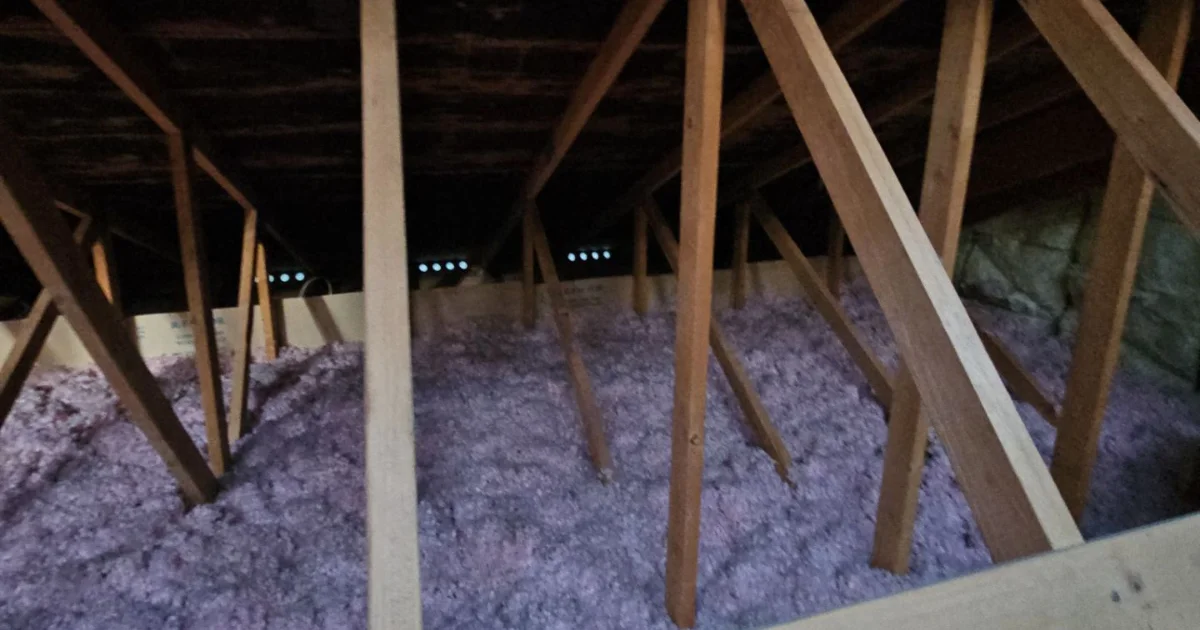
In one inspection of an 11-year-old roof, the attic showed clear signs of inefficient airflow. Although the home had an adequate number of exhaust box vents installed, the intake vents were blocked by insulation. Because fresh air could not enter the attic, the exhaust vents were unable to function properly. Over time, this imbalance contributed to mold growth inside the attic.
Two potential solutions were presented. The first involved repairing roof valleys, correcting the blocked intake airflow, and coordinating professional mold remediation. The second option involved a complete tear-off and reroof, with proper intake ventilation installed and left unobstructed from the start.
This situation is common and highlights the importance of inspecting the entire ventilation system rather than relying solely on the visible condition of the roof.
A Common Installation Mistake With Ridge Vents
Homeowners and contractors often ask whether cutting a wider airflow slot for ridge vents will improve ventilation performance. The answer is no.
Ridge vents are engineered to work with specific slot widths based on roof design and construction. Cutting beyond manufacturer specifications does not increase airflow and can create new problems. If the ridge vent cannot fully cover and protect the opening, the roof may become vulnerable to wind-driven rain, snow, or other weather intrusion.
Always follow the installation instructions for the specific ridge vent being used. Slot width varies by product and roof structure, and deviations can compromise both ventilation performance and weather protection.
Moisture Is a Serious Attic Concern
While heat buildup often receives the most attention, moisture is frequently the more damaging issue in attic spaces. Moisture can enter the attic through normal household activities such as cooking, bathing, and laundry.
When moisture-laden air becomes trapped, it can lead to mold growth, rotting roof decking, rusted fasteners, and reduced insulation performance. In colder months, warm moist air can condense on cooler attic surfaces, accelerating damage that may go unnoticed until repairs become extensive.
The Impact of Attic Ventilation on Energy Efficiency
A poorly ventilated attic can affect the energy performance of the entire home. During warmer months, trapped heat in the attic can transfer into living spaces and force HVAC systems to work harder. During cooler months, moisture-related insulation issues can make it more difficult to maintain comfortable indoor temperatures.
Proper attic ventilation supports more stable indoor conditions, reduces strain on heating and cooling systems, and lowers overall energy consumption. Over time, these benefits can result in measurable energy savings for homeowners.
New Homes Face the Same Ventilation Challenges
Modern construction practices often include tighter building envelopes and higher insulation levels. While these features can improve energy efficiency, they also make proper attic ventilation even more important.
Without intentional ventilation design and correct installation, newer homes can experience the same heat and moisture problems found in older structures. In some cases, these issues appear sooner because airflow paths were not adequately considered during construction.
The Importance of Professional Attic Inspections
Many ventilation problems are not visible from the ground or during a standard exterior roof inspection. A professional attic inspection allows roofing professionals to evaluate intake and exhaust balance, identify blocked or obstructed vents, and look for signs of moisture damage or mold.
Addressing these issues early can help prevent costly repairs and extend the life of the roofing system.
Education and Best Practices Continue to Matter
Most attic ventilation failures are caused by small oversights, such as blocked intake vents, improper vent placement, or outdated assumptions about airflow. Ongoing education helps roofing professionals avoid callbacks, improve performance, and deliver better long-term outcomes for homeowners.
Understanding how ventilation systems function as a complete system remains essential in residential roofing.
When to Consider an Attic Inspection
Attic ventilation problems often develop quietly and worsen over time. Heat buildup, trapped moisture, and restricted airflow do not always cause immediate or visible damage, which is why many issues go unnoticed until repairs become expensive and disruptive.
As homes age, materials shift, insulation is added, or renovations take place, ventilation systems that once performed adequately can become compromised. Intake vents may be blocked, airflow paths can change, and moisture conditions can evolve without clear warning signs inside the living space.
If a home is experiencing unexplained energy inefficiency, persistent indoor comfort issues, moisture concerns, or signs of attic damage, a professional attic inspection can help identify whether ventilation is contributing to the problem. Evaluating intake and exhaust balance, airflow pathways, and moisture conditions provides clarity and supports informed decisions about maintenance or future roofing work.
If you have concerns about attic ventilation or overall roof performance, call Integrity Roofing & Construction at 360-900-7663 or fill out our online form to schedule your video inspection today. Addressing ventilation concerns early can help protect the roof system and reduce the risk of long-term damage.