



By Nathan Maille
Water intrusion rarely starts as an obvious interior issue. In most cases, leaks begin quietly on the exterior of a home, developing slowly over time until they eventually manifest as ceiling stains, peeling paint, warped drywall, or mold growth. By the time those interior symptoms appear, repairs are often more complex and more expensive.
The good news is that many future leaks give clear warning signs on the exterior of your home long before they cause interior damage. Knowing where to look and what to look for can help homeowners catch problems early and protect their investment.
This guide will walk through some of the most common exterior leak indicators, including poor flashing installation, aged or failing caulking, and cracks around upper window and door sills. Understanding these vulnerable areas can help you take action before water finds its way inside.
Why Exterior Leak Detection Matters
Exterior components are your home’s first line of defense against moisture. Roofing systems, siding, flashing, sealants, and trim all work together to direct water away from the structure. When even one of these components begins to fail, water can exploit the weakness.
Exterior leaks often go unnoticed because they may not immediately produce visible damage indoors. Water can travel along framing, sheathing, and insulation for weeks or months before becoming visible. During that time, it may already be causing rot, mold growth, or structural deterioration. However, W]water intrusion often follows predictable paths through wall assemblies, roof systems, and structural components, which is why understanding residential water management principles is critical for preventing hidden damage, as outlined by the Building Science Corporation’s residential water management guidance.
Regularly inspecting exterior elements helps prevent these hidden problems. Addressing small issues early typically costs far less than repairing water-damaged interiors or structural components later.
Poor or Failing Flashing Around Roof Penetrations
Flashing is one of the most critical, and most commonly overlooked, components of a leak-free exterior. Flashing is designed to redirect water away from vulnerable areas where roofing materials meet walls, chimneys, vents, skylights, or other penetrations.
Common Signs of Flashing Problems
Homeowners can often identify flashing issues during a visual inspection from the ground or with binoculars. Signs to watch for include visibly bent or lifted flashing, rusted metal, gaps between flashing and siding, or sealant that appears cracked or missing.
Improperly installed flashing is another frequent problem. This may include flashing that is cut too short, incorrectly layered, or sealed with caulking instead of properly integrated into the roofing or siding system. Caulking alone should never be relied on as the primary defense against water at flashing points.
Why Flashing Failures Cause Leaks
When flashing fails, water can enter behind siding or under roofing materials. From there, it can travel down wall cavities or roof decking until it finds an opening into the interior. Because this process happens out of sight, the damage often goes unnoticed until it becomes severe.
Flashing issues are especially common around chimneys and roof-to-wall transitions, which experience constant water exposure and temperature changes. These areas should be inspected regularly, particularly after storms or as a roof system ages.
Aged or Failing Caulking and Sealants
Caulking plays an important supporting role in protecting your home from moisture intrusion. It seals small gaps and joints around windows, doors, trim, siding transitions, and penetrations. Over time, however, caulking naturally degrades due to UV exposure, temperature fluctuations, and moisture.
How to Spot Caulking Failure
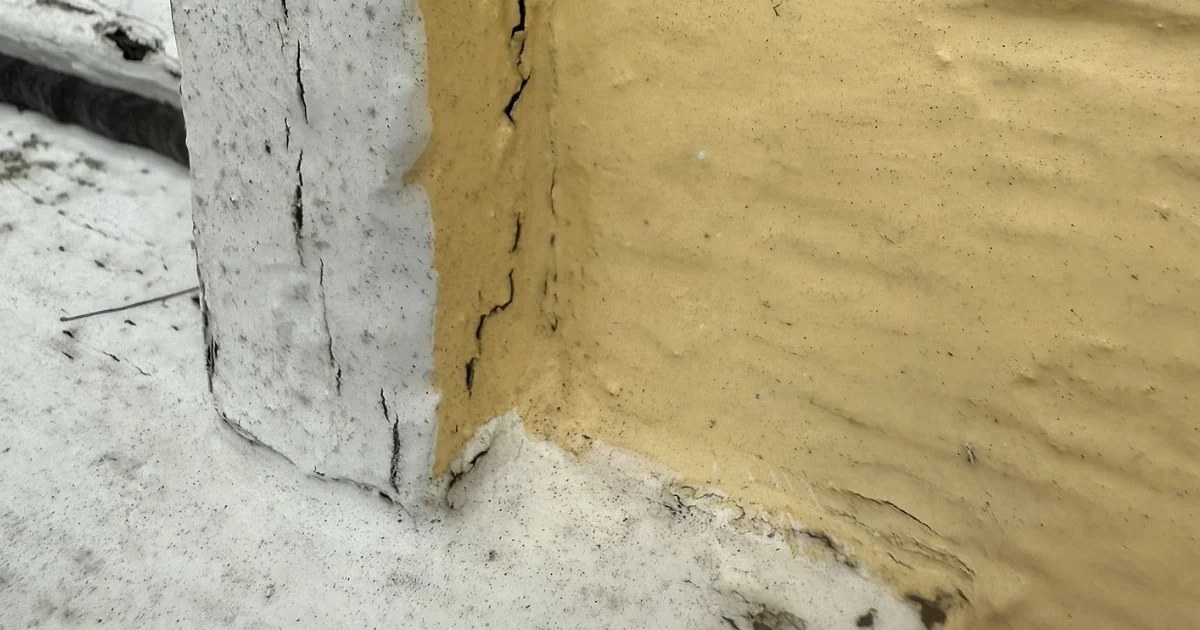
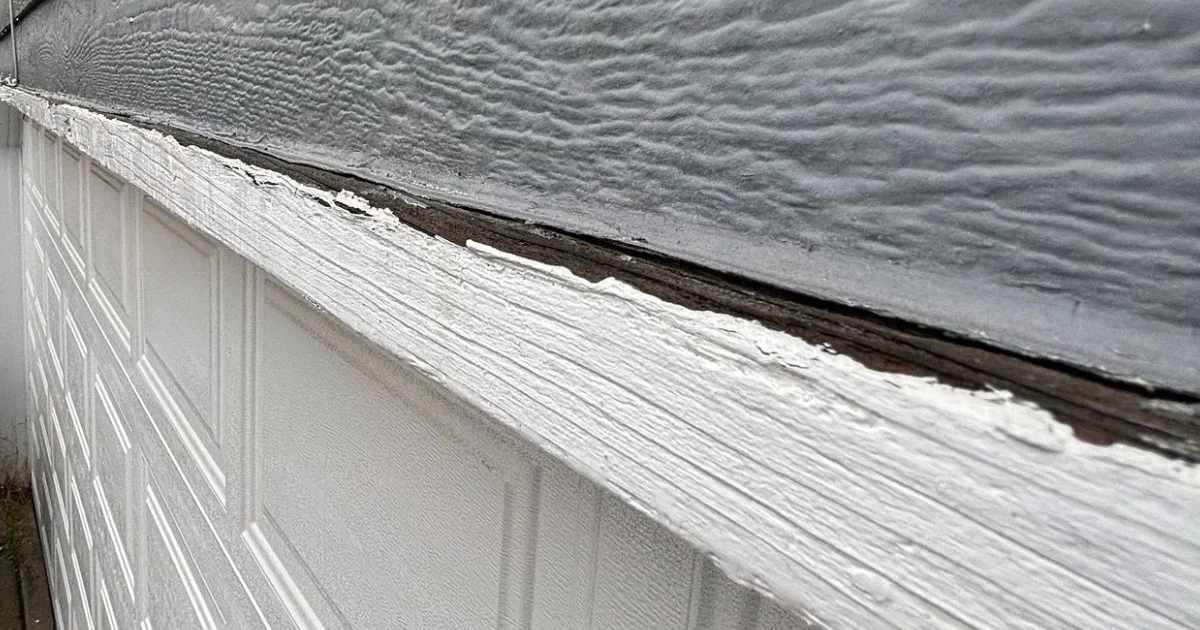
Failing caulking is often easy to identify during a walk around your home. Look for cracks, shrinking, peeling, or areas where caulking has completely separated from the surface. Discoloration or hardened texture can also indicate that sealant has reached the end of its effective lifespan.
Pay close attention to areas where different materials meet, such as where siding meets trim, or where trim meets windows and doors. These joints experience movement as materials expand and contract, making them especially vulnerable to sealant failure.
Why Old Caulking Leads to Leaks
When caulking fails, even small gaps can allow water intrusion. Wind-driven rain can be forced into these openings, especially during storms. Over time, repeated moisture exposure can saturate sheathing and framing, leading to rot or mold. Professional building organizations warn that small exterior gaps can lead to significant structural damage over time, especially when moisture reaches wood-based materials, as explained in APA’s guidance on preventing exterior moisture intrusion.
While replacing caulking may seem like a simple maintenance task, using the wrong product or applying it incorrectly can create more problems. Professional inspection ensures that deteriorated sealants are replaced with appropriate materials and that underlying issues are not being masked.
 d
d
Cracks Around Upper Window and Door Sills
Windows and doors are among the most common sources of exterior water intrusion. Upper-level windows and doors are particularly vulnerable because they receive direct exposure to rain and are often more difficult to inspect closely. Improper installation and inadequate flashing are leading causes of water intrusion around windows and doors, which is why industry standards such as ASTM’s window and door installation standard (ASTM E2112) emphasize integrated flashing and drainage methods.
Warning Signs to Watch For
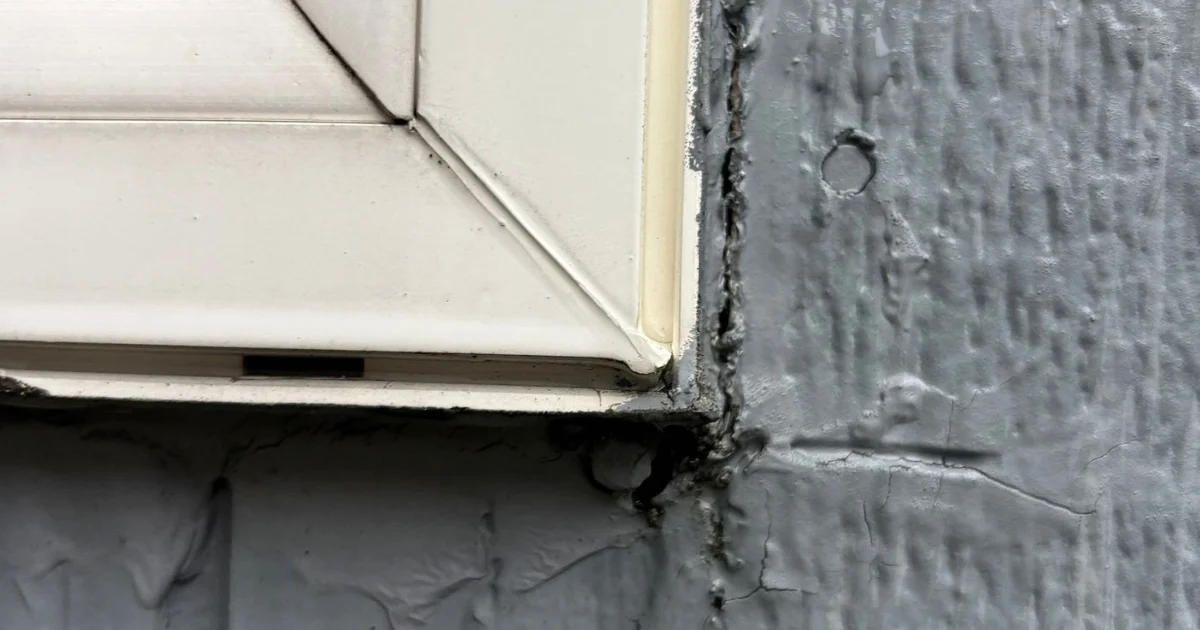
Cracks around window or door sills, especially at the corners, should never be ignored. These cracks may appear in the trim, siding, or masonry surrounding the opening. Gaps where trim has pulled away from the wall are another red flag.
You may also notice peeling paint, soft wood, or staining around window frames. These signs often indicate that moisture has been present for some time, even if interior damage has not yet appeared.
How Water Enters Through Window and Door Openings
Water intrusion around windows and doors often results from improper installation, failed flashing, or deteriorated sealants. Once water gets behind the exterior cladding, it can seep downward into wall cavities.
Because gravity pulls water down, leaks from upper windows and doors can travel far before becoming visible inside. This makes early detection critical. Addressing exterior cracks promptly can prevent extensive interior repairs later.
Additional Areas Homeowners Should Inspect
While flashing, caulking, and window sills are common trouble spots, they are not the only areas that can allow water intrusion. Roof edges, fascia boards, soffits, and siding panels should also be inspected periodically.
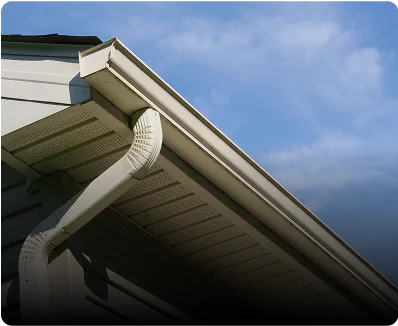
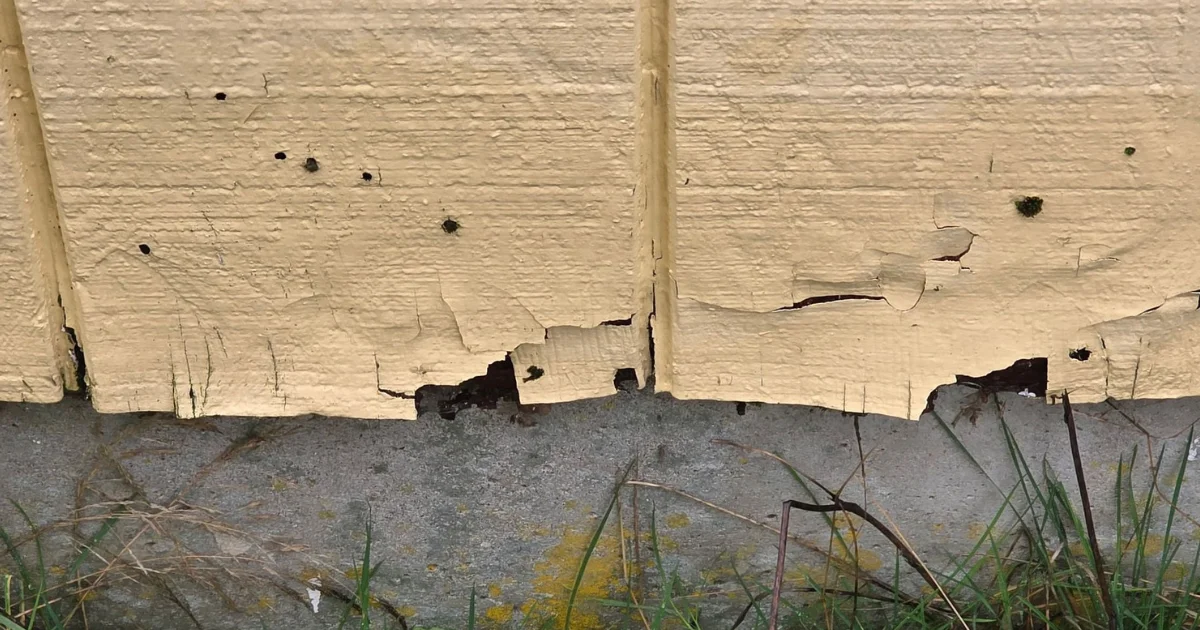
Look for warped siding, loose panels, or areas where water appears to be pooling or staining. Gutters and downspouts should be kept clear, as overflowing water can saturate exterior walls and accelerate material deterioration.
Routine inspections, especially after heavy storms or seasonal changes, help identify developing problems before they escalate.
When to Call a Professional
Some exterior warning signs are obvious, while others require trained eyes to detect. If you notice any signs of moisture intrusion, or if your home has not been professionally inspected in several years, it may be time to call an expert.
A professional inspection can identify hidden vulnerabilities, evaluate installation quality, and recommend solutions that address the root cause of potential leaks. This proactive approach often saves homeowners money and stress in the long run.
Protect Your Home Before Leaks Happen
An exterior leak will rarely fix itself. Small issues tend to worsen over time, especially when exposed to repeated moisture and weather changes (hello Pacific Northwest winter). Catching problems early is one of the best ways to protect your home’s structure, value, and indoor air quality.
Integrity Roofing & Construction specializes in identifying and correcting exterior leaks before they become costly interior repairs. If you have concerns about siding, flashing, caulking, windows, or any part of your home’s exterior, our team is here to help.
Call Integrity Roofing & Construction today at 360-900-7663 or fill out our online form to schedule a professional exterior inspection and take the first step toward long-term protection and peace of mind.