

By Kes Anderson
Living in the Pacific Northwest means your roof has to endure a lot. From heavy rain and strong windstorms to constant moisture that invites moss and algae, your roofing system is always hard at work. Eventually, every homeowner faces a critical question when issues arise: do you need a simple roof repair, or is it time for a full roof replacement?
As a trusted Seattle roofing company, we know that making the right choice can save you thousands of dollars and a lot of headaches. Whether you are dealing with a minor leak or widespread wear and tear, here is our comprehensive guide to help you make an informed decision about your roof.
What Roof Repair Looks Like in the Real World
Roof repair usually makes sense when the issue is contained to one area or one failure point. That sounds simple, but it usually shows up in a few familiar ways.
A common one is flashing failure. Chimneys, skylights, and wall transitions are constant trouble spots in this climate. The shingles around them might still be in good shape, but the metal details or sealant have started to break down. In a lot of cases, the roof itself is not the problem. The weak point is a transition that has been exposed to years of water movement.
We also run into wind damage repairs fairly often. A small section of shingles gets lifted or torn off during a storm. If the surrounding roof is still flexible, sealed, and structurally sound, a localized repair is usually reasonable. The key is whether the damage stayed isolated or whether it opened the door to more widespread wear.
Moss is another situation where repair decisions get tricky. In the Pacific Northwest, moss is everywhere. Early growth can often be managed with treatment and spot replacement. The problem is when it has been sitting long enough to lift shingles or hold moisture against the surface. At that point, you are no longer just cleaning a roof. You are starting to see material breakdown underneath it.
Repair works best when the roof still behaves like a system and not a collection of failing spots. Once problems start repeating in different areas, the decision starts shifting.
When Roof Replacement Becomes the More Practical Option
Roof replacement enters the conversation when issues stop being isolated. Instead of one leak or one damaged area, you start seeing patterns.
One of the clearest signs is widespread shingle aging. Granule loss in gutters, curling edges across multiple slopes, or shingles that look inconsistent from one section of the roof to another usually point to general wear. That is not a small repair situation anymore. That is material breakdown across the system.
Recurring leaks are another major indicator. We see homeowners fix one ceiling stain, only to have another show up months later in a different room. That is usually not bad luck. It is a roof that is losing its ability to shed water consistently. You are chasing symptoms instead of fixing the source.
Underlayment issues also come up more in the Pacific Northwest than people expect. Once moisture gets beneath the shingles and starts affecting the layers underneath, surface repairs stop holding for long. You can patch what you see, but water has already found multiple pathways through the system.
Age plays a role, but not as a strict cutoff. We have seen 20-year roofs still performing reasonably well and 12-year roofs already failing due to ventilation problems or installation issues. It is less about the number and more about how the roof has been performing under real weather conditions.
Replacement usually becomes the more practical decision when repairs stop resetting the clock and start becoming routine maintenance.
Deciding Your Needs
When evaluating your roof, the first step is honestly assessing your current situation and your long-term goals for your property. Deciding your needs comes down to understanding the severity of the damage, your budget, and how long you plan to stay in the home.
If you are dealing with a minor, isolated leak and plan to move in a couple of years, a targeted repair might be the most cost-effective and practical choice. However, if this is your forever home and your roof is constantly needing attention, repeatedly paying for repairs can quickly outpace the cost of a new roof. It is also important to consider the underlying structure; if water has compromised your decking or interior ceilings, your needs have shifted from basic maintenance to protecting the safety and structural integrity of your home.
Why the Pacific Northwest Changes the Decision
Roofing in this region does not behave the same way it does in drier climates. The constant moisture exposure changes how materials age.
There are long periods where roofs simply do not dry out fully. Even when it is not raining, shaded areas stay damp. That constant moisture exposure accelerates wear in ways that are not always visible from the ground. This does not just affect shingles on the surface, it also allows hidden moisture problems to develop inside roof systems, which is why long-term damp conditions matter so much.
Moss growth is a major factor. It’s not just cosmetic. Moss holds water against shingles, lifts edges over time, and creates small channels for water to move underneath roofing layers. Once it becomes established, it tends to return unless the underlying conditions are addressed.
Tree coverage also plays a big role. Many homes in the Puget Sound area sit under heavy canopy. That reduces sunlight, slows drying time, and increases debris buildup. Gutters clog faster, valleys collect organic material, and water moves more slowly off the roof. That combination puts steady stress on the system.
Because of these conditions, roofs in the PNW often move from “a few repairs here and there” to “widespread system issues” faster than homeowners expect. What looks small on the surface is often part of a larger moisture pattern underneath.
How We Actually Evaluate Repair vs Replacement
When we inspect a roof, the goal is not to immediately push toward repair or replacement. It is to understand how the roof is performing as a whole system.
If repair is being considered, the first question is whether the problem is truly isolated. One leak in one location with otherwise healthy surrounding material usually points toward repair. Multiple issues across different slopes usually do not.
We also look closely at how consistent the roof looks across its surface. If one section is aging differently than another, that often tells us the system is wearing unevenly. That can come from ventilation issues, past patchwork repairs, or original installation problems that only show up over time.
Ventilation is something homeowners do not always connect to roof performance, but it matters a lot here. Poor attic ventilation traps heat and moisture, which speeds up shingle deterioration from underneath. That can create what looks like random surface failure but is actually a deeper system issue.
We also pay attention to repair history. A roof that has been patched in multiple areas over time is often signaling that the underlying system is reaching the end of its reliable life. One repair is normal. A long list of them usually is not.
How Do You Know Whether To Repair, Patch, Or Replace Your Roof?
Understanding the difference between a patch, a repair, and a replacement is crucial in the wet Pacific Northwest climate.
When to Patch or Repair: A patch is a temporary fix, often used in emergencies to stop a leak until a permanent solution can be applied. A proper roof repair goes a step further by removing and replacing the isolated damaged materials. You should opt for repairs if your roof is relatively new (under 10-15 years old) and the damage is highly localized. Missing a few shingles after a windstorm, dealing with a cracked pipe boot, or fixing a small section of damaged flashing are all perfect candidates for repair.
When to Replace: A full roof replacement becomes necessary when the roofing system is nearing or has surpassed its expected lifespan (typically 20-25 years for standard asphalt shingles). You should lean toward a full re-roof if:
- Shingles are widely curling, cracking, or losing their protective granules.
- There is visible sagging in the roof deck.
- You have multiple, recurring leaks in different areas of the house.
- Moss and rot have compromised the structural integrity of the shingles and underlayment across large sections.
What Homeowners Should Take From All This
The decision between roof repair and roof replacement is not really about fixing what is visible today. It is about understanding what is likely to happen next.
A repair makes sense when the roof is still structurally sound and the issue is contained. It is a practical way to extend life when the system is otherwise stable.
Replacement starts making more sense when problems stop being isolated events. If leaks, moss, and shingle wear are showing up across multiple areas, you are not dealing with separate issues. You are dealing with an aging system that is losing consistency.
The hardest part for homeowners is that both options can look reasonable at the same time. That is usually where a closer inspection helps separate perception from what is actually going on.
Tips to Determine Your Best Course of Action
Making the final call between a repair and a replacement can be stressful, but keeping a few key tips in mind can clarify the process:
- Calculate the 30% Rule: As a general industry guideline, if the repairs require fixing more than 30% of your roof, a full replacement is usually the smarter financial move.
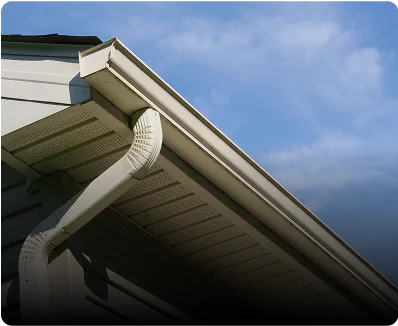
- Evaluate the Whole Exterior System: Your roof doesn’t work alone. When assessing moisture damage, consider how your gutters and siding are holding up. Upgrading your roof alongside professional gutter services and siding services ensures your entire home envelope is sealed and protected against harsh weather.
- Consider Building Codes: In some cases, patching an old roof with new materials results in a severely mismatched appearance. Furthermore, if you already have multiple layers of old shingles on your roof, local building codes usually dictate a full tear-off and replacement rather than adding more weight to your home.
Whether you need help with residential roofing or are managing a larger property that requires commercial roofing expertise, getting a professional inspection is the safest way to know exactly what your building needs.
Our Warranty Coverage at Integrity Roofing
At Integrity Roofing, we eliminate coverage gaps by pairing top-tier manufacturing standards with reliable installation support. Every full roof replacement includes a 50-year non-prorated material warranty backed by Malarkey Shingles, alongside our own 20-year workmanship warranty. This comprehensive dual protection ensures your investment remains fully covered against both product defects and installation errors, saving you from unexpected out-of-pocket expenses for decades to come.
Your roof is your home’s first line of defense. If you are struggling to decide between repairing or replacing your roof, don’t guess, let the experts help. Reach out to Integrity Roofing & Construction today to schedule your comprehensive roof inspection!
Where to Start Next
If you are unsure where your roof falls on that line, the most useful next step is a straightforward evaluation from someone who works in these conditions regularly. Not a quick visual guess, but a real look at how the system is performing.
At Integrity Roofing & Construction, we help homeowners work through this decision every day across the Pacific Northwest. Sometimes it’s a simple repair. Sometimes it’s better to plan for replacement before small issues turn into repeated callbacks and interior damage.
If you want a clear, honest read on what your roof needs, you can reach our team at 360-900-7663 or fill out our online form and we will be in touch with you.