

What Bainbridge Island, Seattle, North Kitsap & the Olympic Peninsula Need to Know About Roofing Materials, Durability & Maintenance
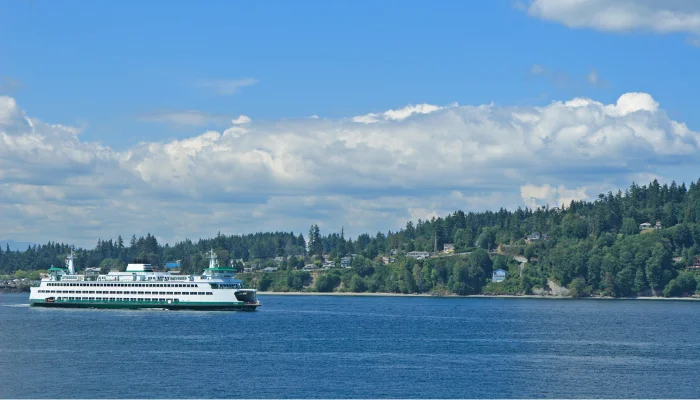
The Puget Sound region is famous for its dramatic scenery, saltwater shorelines, and evergreen forests, but homeowners quickly learn that those natural elements also put roofs under more stress than nearly anywhere else in the country. While many home improvement guides talk broadly about the Pacific Northwest climate, they rarely discuss the micro-climate variations that drastically impact a roof’s lifespan depending on where you live.
A roof in Seattle does not age the same way as a roof on Bainbridge Island or in Sequim. In fact, two homes only 20 miles apart can experience radically different levels of rainfall, humidity, wind exposure, UV intensity, and salt air corrosion. Those factors influence:
- Material performance and roof’s lifespan
- Maintenance frequency
- Warranty coverage validity
- Flashing and fastener corrosion
- Moss and algae growth levels
- The real cost of ownership over time
Understanding your local micro-climate helps you make smarter decisions about roofing materials, installation methods, and preventative care, often saving thousands in repair costs and extending your roof’s lifespan by five to ten years. Research from the Washington State Department of Ecology roofing materials assessment shows that roofing systems in the Puget Sound region experience unique performance challenges directly related to rainfall patterns and precipitation chemistry.
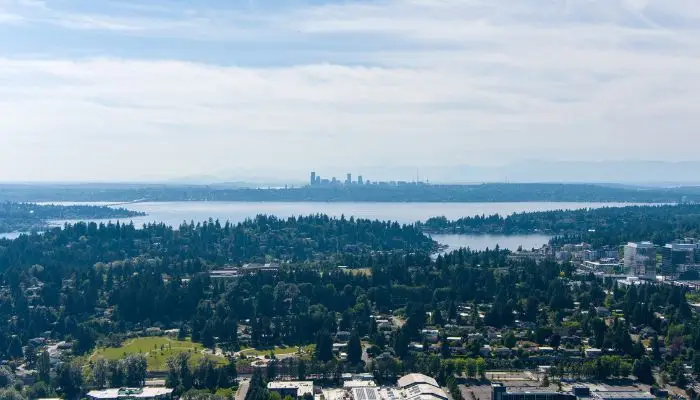
Seattle: Moisture, Moss & Heavy Tree Coverage
Seattle’s marine environment creates a roofing environment dominated by moisture and shade. The region averages around 150 rainy days per year, and many neighborhoods are heavily wooded. This combination means roofs remain damp and shaded long after a storm passes, creating ideal conditions for:
- Moss and algae growth
- Granule wear from scraping and cleaning
- Premature shingle curling
- Water intrusion under lifted shingles
- Blocked gutters and ice-dam risk in winter
Seattle homeowners often notice that roofs look aged or stained well before they structurally wear out, which can reduce curb appeal and the overall roof’s lifespan.
Best Roofing Materials for Seattle
| Material | Why It Performs Well |
| Architectural asphalt shingles with algae-resistant technology (AR) | Combat staining and biological growth, extending roof’s lifespan |
| Metal roofing | Rapid water shedding and less organic adhesion |
| Synthetic polymer shake or tile | Superior moisture durability and longer roof’s lifespan |
| PVC or TPO for flat roofs | Strong waterproofing for low-slope homes |
Maintenance Recommendations
- Professional roof cleaning at least twice yearly
- Trim trees and increase sunlight and ventilation to reduce moisture retention
- Add zinc or copper moss prevention strips
- Clean and inspect gutters regularly to protect roof’s lifespan
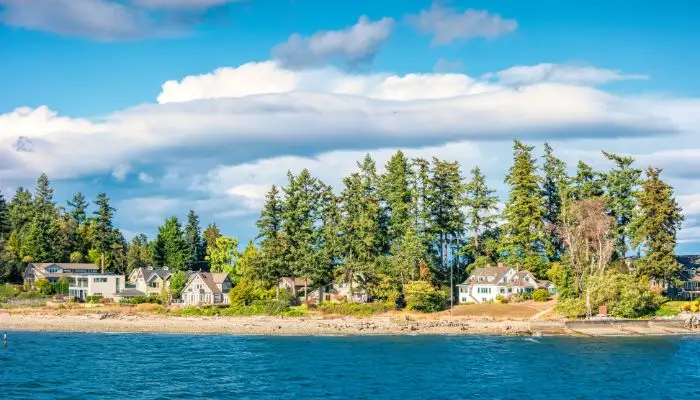
Bainbridge Island & Coastal North Kitsap: Salt Air, Storms & Wind Exposure
Coastal communities such as Bainbridge Island, Indianola, Suquamish, Kingston, Hansville, and waterfront sectors of Poulsbo face challenges beyond moisture alone. Salt-laden air is naturally corrosive, especially to unprotected metal components. Strong winter storms also bring wind-driven rain and gusts that can exceed 70 mph.
Common roofing concerns in coastal micro-climates include:
- Corrosion of fasteners, flashing, nails, and ridge vents
- Rust weakening exposed fastener metal panels
- Shingle uplift from storm gusts
- Increased moisture absorption from salt particles
Homes along the water typically have fewer tall trees, increasing wind impact but reducing moss buildup. The corrosion issues in roofing systems knowledge summary from the National Institute of Building Sciences highlights how marine environments significantly reduce metal component lifespan without proper material selection. Addressing these conditions can significantly improve a roof’s lifespan.
Best Roofing Materials for Coastal Areas
| Material | Why It Works |
| Standing seam metal (aluminum recommended) | Does not rust and offers strong wind resistance, helping maintain roof’s lifespan |
| Fiberglass asphalt shingles rated 130 mph or higher | Performs well in storm conditions |
| Cedar shake (properly treated and maintained) | Natural resilience to coastal weather |
| Synthetic slate or shake | Lightweight and not vulnerable to corrosion |
Key Installation and Maintenance Tips
- Choose aluminum or stainless-steel flashing and fasteners
- Avoid exposed fastener metal roofing near saltwater
- Schedule storm-season inspections (fall and spring)
- Reinforce ridge caps and hip fasteners in high-wind zones to protect roof’s lifespan
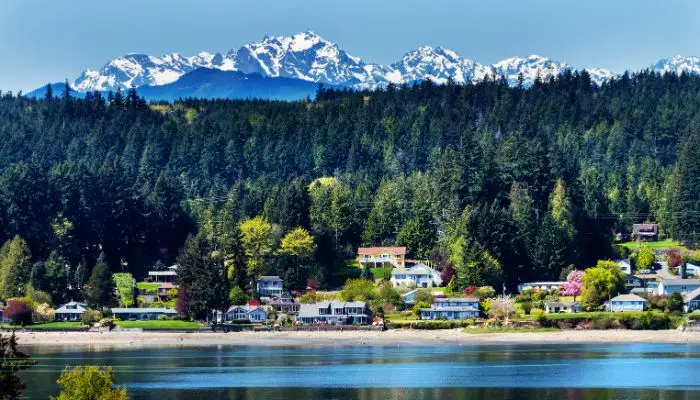
North Kitsap Inland Communities: Freeze-Thaw Stress & Heavy Tree Cover
Areas like Poulsbo, Silverdale, and Port Gamble experience a blend of coastal moisture and inland winter temperatures. Freeze-thaw cycles put unique pressure on roofing systems. Water trapped under shingles or in roof valleys expands when frozen, causing:
- Shingle cracking
- Sealant failure
- Loose flashing and exposed nails
- Ice dams along the roof edges
Combined with heavily wooded neighborhoods, these factors can significantly reduce a roof’s lifespan without consistent upkeep.
Best Materials for Mixed-Weather Zones
- Architectural asphalt shingles with a durable fiberglass mat
- Metal roofing for snow load and water shedding
- Ice and water shield protection on eaves and valleys
- Upgraded attic ventilation to prevent ice damming
Maintenance Checklist
- Inspect after winter storms for lifted shingles or exposed nail heads
- Keep valleys and gutters free from pine needles and fir debris
- Add a heat cable in historically icy roof areas to protect roof’s lifespan
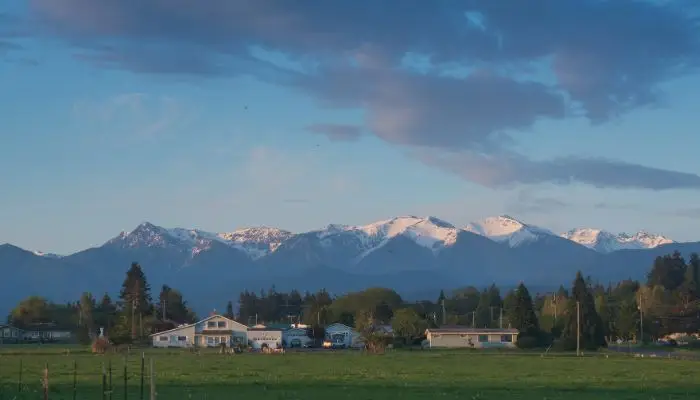
Olympic Peninsula Rain Shadow: UV Exposure & High Wind (Sequim, Port Angeles)
The Olympic Mountains create one of the most dramatic rain shadows in North America, with rainfall amounts shifting from more than 100 inches per year on the west side to around 15 inches per year in Sequim. This drastically changes roof performance.
Lower moisture levels mean:
- Less moss growth
- Lower risk of mold and rot
Higher sunlight levels mean:
- UV brittle shingle surfaces
- Faster granule loss
- Thermal cracking
Open landscape topography means:
- Higher wind exposure
- Increased storm uplift risk along coastal bluffs
Recommended Materials
| Material | Strength |
| Standing seam metal roofing | Excellent wind and UV resistance, preserving roof’s lifespan |
| Impact-resistant asphalt shingles | Withstand wind-driven debris |
| Fiberglass-reinforced or synthetic roofing systems | Not vulnerable to UV brittleness |
Maintenance Suggestions
- Inspect flashing annually for sealant fatigue from sun exposure
- Check ridge vent attachment after large wind events
- Re-coat exposed sealant or fastener points every few years to protect roof’s lifespan
High-wind coastal zones such as Port Angeles and Dungeness Plains see significantly more uplift and shingle edge fatigue than wind-sheltered inland neighborhoods. The IBHS study on asphalt shingle performance documents how high-wind exposure can shorten roof’s lifespan even when materials meet standard ratings.
How Micro-Climate Should Influence Roofing Decisions
Top Roofing Priorities by Area
| Region | Key Threats | Ideal Materials | Maintenance Frequency |
| Seattle | Moss, shade, persistent dampness | Metal, algae-resistant shingles | Twice per year |
| Bainbridge / Coastal Kitsap | Wind, salt corrosion, storms | Aluminum metal, synthetic shake | One to two times per year |
| Inland North Kitsap | Freeze-thaw cycle, heavy tree debris | Asphalt with ice shield, metal | Twice per year |
| Olympic Peninsula | Wind, UV degradation | Metal, synthetic, impact-rated shingles | After major storms |
Preventative Maintenance Can Add 5–10 Years of Roof’s Lifespan
Many homeowners assume roof damage is sudden or catastrophic, but in the Puget Sound region, the real value is in preventative care. The difference between a roof that lasts 15 years and a roof that lasts 30 is maintenance discipline.
Simple steps that protect your roof’s lifespan
- Schedule annual roof inspections
- Clean gutters, valleys and downspouts
- Prevent moss and remove debris safely
- Seal fasteners and flashing regularly
- Replace worn components early to avoid major failures
Final Thought: Build for the Climate You Live In
Roofs in the Puget Sound do not fail just because they are old. They fail because they are not matched to the micro-climate challenges they face. A strong roofing system considers:
- Where you live
- Weather exposure
- Material science and installation technique
- Long-term maintenance planning
A roof that is ideal for Seattle may fail early in Sequim. A coastal roof must handle wind far differently than an inland suburban roof, and local expertise matters. Protecting your roof’s lifespan requires smart material choices and ongoing maintenance.
Ready to Protect Your Roof and Your Home?
At Integrity Roofing & Construction, we understand that every Puget Sound roof faces unique challenges. Whether you’re on Bainbridge Island, in Seattle, or along the Olympic Peninsula, the right materials, installation, and maintenance plan can extend your roof’s lifespan and protect your home from costly damage.
Take the guesswork out of roofing decisions with our free in-person video roof inspection. Our local experts will visit your home, capture a detailed video of your roof, and provide professional recommendations, all without leaving anything to chance.
Here’s how it works:
- Schedule your free in-person video inspection online or by phone.
- One of our roofing specialists will visit your home and record a thorough video of your roof’s condition.
- Receive a detailed assessment and personalized recommendations for materials, maintenance, and upgrades with absolutely no obligation.
Protect your investment, extend your roof’s lifespan, and gain peace of mind with Integrity Roofing & Construction.
Schedule Your Free Video Roof Inspection Today