



In Western Washington, storms rarely show up with just one problem. You can get wind, heavy rain, and freezing temps all in the same week. That mix is tough on a roofing system, especially when wind pushes water where it normally would not go.
If you just made it through a storm and you are wondering whether your roof is okay, this guide will help. We will explain how wind-driven rain finds weak spots, what to check after a storm, when a roof tarp service makes sense, and a simple after-storm photo checklist you can follow from the ground.
Why Western WA Storms Cause Roof Problems
Your roof is designed to shed water downward. During a normal rain, shingles, flashing, and gutters guide water off the roof and away from your home. Storms change the rules. Strong winds can push rain sideways and upward, which means water can sneak under roofing materials instead of flowing over them.
Freezing nights can add another layer of stress. Water that gets into tiny gaps can freeze, expand, and widen openings. Then the next round of rain has an easier path into the system. Storms can wreak havoc on your roof, especially when they are multi-day storms.
How Wind-Driven Rain Finds Weaknesses
Lifted or Creased Shingles
Wind can lift shingle edges and break the adhesive seal that keeps shingles lying flat. Once the seal is compromised, water can blow underneath. Even if shingles settle back down after the wind stops, the damage may already be done. Creased shingles are especially risky because the crease can become a direct channel for water.
Exposed Fasteners and Pop Nails
Fasteners should be protected by proper shingle overlap or flashing. During storms, shingles can shift and expose nails. Water can then follow the fastener straight into the roof deck. If you see shiny nail heads or raised shingles, it is a good reason to schedule a storm damage roof repair.
Edge Details and Rake Areas
Roof edges take a beating in wind. If drip edge, starter shingles, or edge flashing is loose, wind-driven rain can get underneath and soak the roof deck. These areas are common starting points for leaks because water can bypass the main shingle field.
Flashing at Chimneys, Walls, and Roof Transitions
Flashing is the thin material that seals transitions where roofing meets something else. Storms expose weak flashing quickly. If flashing is bent, lifted, or poorly sealed, water has a direct path inside. This is a common issue after strong wind events.
Gutters and Downspouts That Overflow
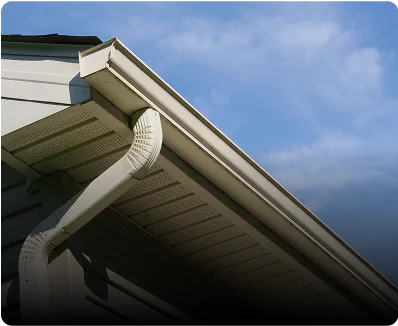
Storm debris can clog gutters, which causes overflow. When gutters spill water onto fascia and roof edges, moisture can back up into the roofline. That can lead to rot over time, even if you do not see immediate leaking inside.
What to Check After a Storm
You do not need to climb on your roof to do a useful post-storm check. In fact, it is safer to stay on the ground and look for visible clues. Here are practical things to look for around your home right after the weather clears.
- Shingles in the yard: Any shingles or shingle pieces on the ground often mean wind lifted part of the roof.
- Uneven shingle lines: Look for areas that appear wavy, raised, or patchy.
- Metal flashing out of place: Bent, dangling, or missing metal near chimneys, skylights, and edges is a red flag.
- Gutter issues: Check for sagging gutters, dents, or sections pulling away from the roofline.
- New stains inside: Look at ceilings and walls, especially near bathrooms, skylights, and exterior walls.
- Attic signs: If it is safe to do so, check the attic for damp insulation, water marks on wood, or musty odors.
If you notice any of these issues, it is smart to call a local roofing company. Homeowners often search roofers near me after a storm, but it is best to choose a team that knows Washington storm patterns and common failure points. The National Roofing Contractors Association shares guidelines on how to manage damage after storms.
When Emergency Roof Repair Makes Sense
A storms damage can sometimes wait a few days for a standard inspection. Other situations should be treated as urgent. Emergency roof repair is worth it when water is actively getting inside or when the roof opening is likely to get worse with the next round of weather.
Consider emergency service if you have any of the following:
- Active dripping or water running down walls
- A ceiling bulge that looks like it is holding water
- A large area of missing shingles
- Tree impact or visible puncture in the roof
- Loose flashing that is flapping in the wind
When a Roof Tarp Service Is the Right Call
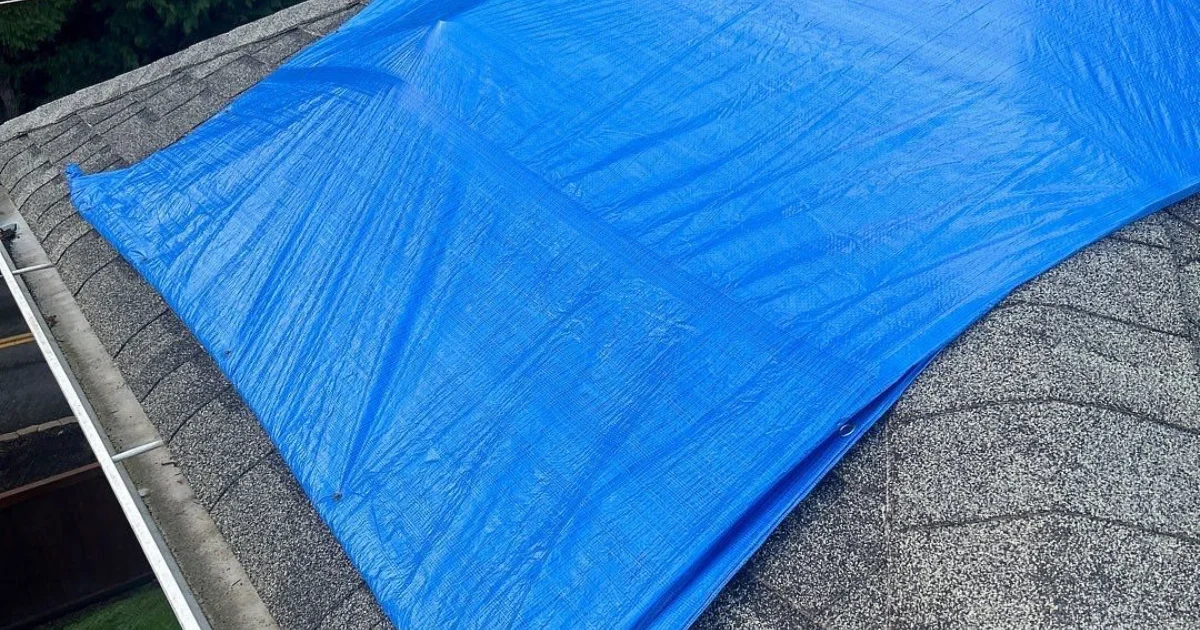
A roof tarp service is a temporary solution that buys you time. It helps prevent additional water intrusion until permanent repairs can be completed. Tarps are especially useful after major wind storms when roofing crews are booked out or when materials need to be ordered.
A tarp makes sense when:
- You have a leak and more rain is in the forecast
- Wind removed shingles or exposed underlayment
- A fallen branch damaged the roof surface
- Flashing was ripped loose near a chimney or wall
It is important that tarp installation is done safely and secured correctly. A poorly installed tarp can cause more damage or blow off in the next wind event.
After-Storm Photo Checklist for Homeowners
Photos help in three ways. They document damage, help roofers diagnose issues faster, and support insurance claims if you need them. You can take most of these from the ground with your phone. Use zoom and stay clear of slippery areas.
- Wide shot of each roof side: Stand back and capture the whole plane from multiple angles.
- Close-ups of problem areas: Zoom in on lifted shingles, missing shingles, or exposed fasteners.
- Roof edges: Photograph eaves, rakes, drip edge, and any visible flashing.
- Chimney and wall flashing: If visible from the ground, capture the joints and metal edges.
- Skylights and vents: Take photos of skylight edges and vent areas where leaks often start.
- Gutters and downspouts: Capture sagging sections, dents, clogs, and overflow stains.
- Yard debris: Photograph shingles, nails, metal pieces, or branches that may have hit the roof.
- Interior signs: Take photos of ceiling stains, bubbling paint, wet drywall, and any water drips.
- Attic evidence: If safe, photograph wet insulation, water trails, or dark staining on wood.
What to Do Next
If your photos show possible damage, the next step is scheduling a professional inspection. A storm damage roof repair visit can confirm whether the issue is cosmetic or if water can get into the roof system. Even small problems can lead to leaks and rot if they are ignored through another wet season.
If water is actively coming in, emergency roof repair or a roof tarp service can help prevent further damage until repairs are completed.
Western Washington storms can be rough, but catching problems early makes a big difference. If you suspect Washington storms damage to your roof, the safest move is to get a local roofer to take a closer look.