

By Kes Anderson
When homeowners notice a leak, missing shingles, or signs of wear on their roof, one of the first questions they ask is whether they need a full re-roof or if a roof repair will do the job. This decision is not always straightforward. Choosing the wrong option can lead to unnecessary costs, ongoing damage, or missed opportunities to protect your home properly.
At Integrity Roofing & Construction, we believe informed homeowners make better decisions. The right solution depends on several factors, including the season, roof type, age of the roof, and the extent of both visible and hidden damage. This guide breaks down the key differences between roof repair and full re-roofing projects so you can understand when each option makes sense and how to move forward with confidence.
Understanding Roof Repair
What a Roof Repair Typically Involves
A roof repair focuses on addressing a specific problem without replacing the entire roofing system. Common repairs include replacing damaged shingles, sealing flashing around chimneys or vents, fixing small leaks, or addressing localized storm damage. Repairs are generally faster and less expensive than a full re-roof and can be very effective when the underlying roof structure is still sound.
Repairs work best when damage is limited to a small area and the rest of the roof is in good condition. For example, if a few shingles are blown off during a windstorm or flashing begins to fail around a vent, a targeted repair can restore protection without disturbing the rest of the roof.
When A Roof Repair Make Sense
Roof repair is often the right choice when the roof is relatively young and has not reached the end of its expected lifespan. Asphalt shingle roofs under 10 to 15 years old, metal roofs with isolated panel damage, and newer flat roofing systems are often good candidates for repair.
Season also plays a role. During heavy rain or winter months, emergency repairs may be necessary to stop active leaks and prevent interior damage. In these cases, repairs can serve as either a permanent solution or a temporary measure until weather conditions allow for more extensive work. However, here at Integrity Roofing & Construction, we know how to roof in the rain. Very rarely will it be necessary to schedule a job when the weather turns in the spring.
Limitations of Roof Repair
While a roof repair can be effective, it is not always a long-term fix. If damage is widespread, recurring, or caused by aging materials, repairing one area may only delay a larger problem. Repairs also cannot correct underlying issues such as improper installation, poor ventilation, or deteriorating underlayment.
What a Full Re-Roof Really Means
Defining a Full Re-Roof
A full re-roof involves removing existing roofing materials down to the appropriate layer and installing a new roofing system. Depending on the condition of the roof, this may include replacing underlayment, addressing decking issues, upgrading flashing, and installing new ventilation components.
A re-roof is not just about new shingles or panels. It is an opportunity to correct past installation issues, improve energy efficiency, and ensure the entire system works together to protect your home.
When a Full Re-Roof Is the Better Choice
A full re-roof is often recommended when a roof has reached or exceeded its expected lifespan. Asphalt shingles that are 20 years old or more, flat roofs showing widespread membrane wear, and metal roofs with extensive corrosion typically benefit more from replacement than repair.
Extent of damage is another critical factor. If leaks are occurring in multiple areas or if water has penetrated beneath the surface materials, repairs may not address the full scope of the problem. Internal damage such as rotted decking, mold growth, or compromised insulation often indicates the need for a full re-roof.
Long-Term Benefits of Re-Roofing
Although a full re-roof requires a larger upfront investment, it often provides better long-term value. A new roof offers improved durability, stronger warranties, better energy performance, and peace of mind. It also reduces the likelihood of emergency repairs and unexpected expenses in the near future.
Key Factors That Influence the Right Decision
Roof Age and Material Type
Different roofing materials age differently. Asphalt shingles tend to show wear earlier than metal or tile roofs. Flat roofing systems have unique maintenance needs and failure points. Understanding the expected lifespan of your specific roof type is essential when deciding between repair and replacement.
External Damage vs. Internal Damage
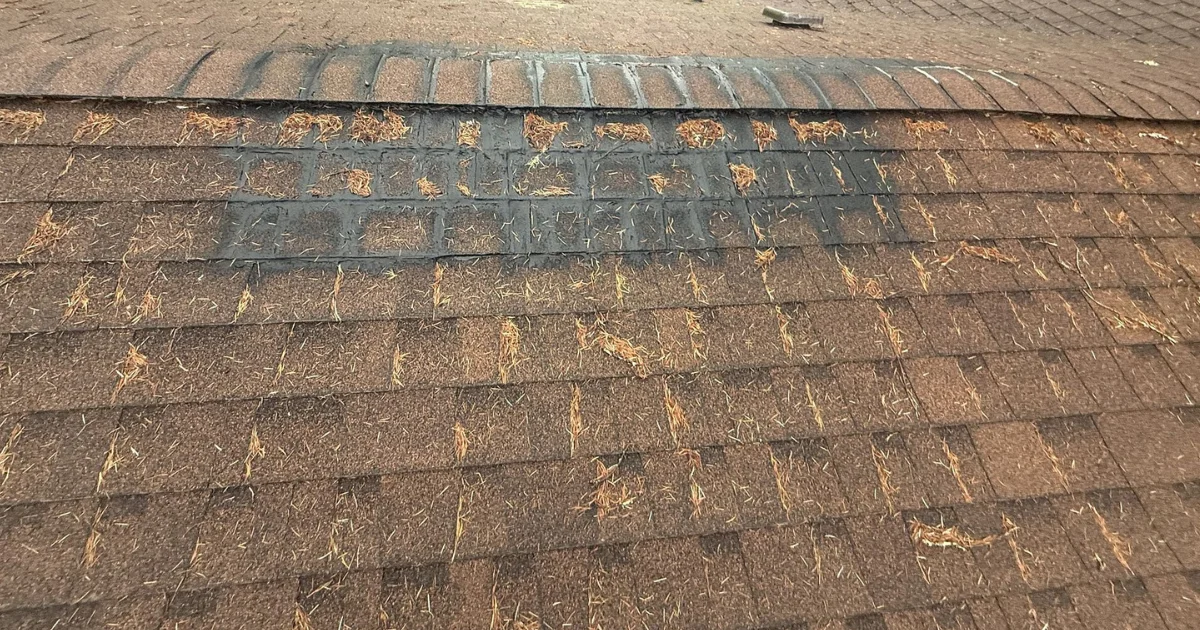
Visible damage such as missing shingles, dents, or cracked tiles is only part of the story. Internal damage can be harder to detect but far more serious. Water stains on ceilings, sagging decking, musty odors, or rising energy bills can signal problems beneath the surface.
A professional inspection helps identify whether damage is cosmetic or structural. Cosmetic issues may be repairable, while structural damage often requires a full re-roof to ensure safety and performance.
Seasonal Considerations
Season affects both urgency and feasibility. During the rainy season, stopping leaks quickly is critical to prevent interior damage. A temporary or permanent roof repair may be the fastest solution. Warmer, drier months are often ideal for full re-roofing projects because materials install more efficiently and weather delays are less likely, though that depends on many factors for your particular roof. You might not have to wait at all.
Planning ahead does allow homeowners to schedule re-roofing at the most convenient time rather than reacting to emergencies.
Budget and Long-Term Planning
Budget matters, but it should be weighed against long-term costs. Repeated repairs on an aging roof can add up quickly. In many cases, investing in a full re-roof sooner can save money over time by reducing maintenance, improving efficiency, and increasing home value.
Choosing the Right Path for Your Roof
Deciding between a roof repair and a full re-roof comes down to understanding your roof’s condition, age, material, and the extent of damage involved. Repairs are ideal for isolated issues on newer roofs, while full re-roofing provides comprehensive protection for aging or extensively damaged systems.
At Integrity Roofing & Construction, our goal is not to sell you the biggest project, but to recommend the right one. We take the time to inspect your roof thoroughly, explain your options clearly, and help you make a decision that protects your home and your investment.
If you are unsure whether your roof needs a repair or a full re-roof, let us help. Call Integrity Roofing & Construction at 360-900-7663 or fill out our online form to schedule a professional inspection and get honest guidance you can trust.