

Understanding the risks and best practices for protecting your roof in the Puget Sound climate
Life in North Kitsap offers stunning waterfront views, evergreen forests, and the peaceful charm of the Puget Sound. However, the same environmental beauty that draws people to communities like Poulsbo, Kingston, Bainbridge Island, Hansville, and Suquamish also creates a uniquely challenging environment for homeowners. Moss growth is one of the most common and destructive roof issues in our region, and ignoring it can lead to costly repairs or premature roof replacement.
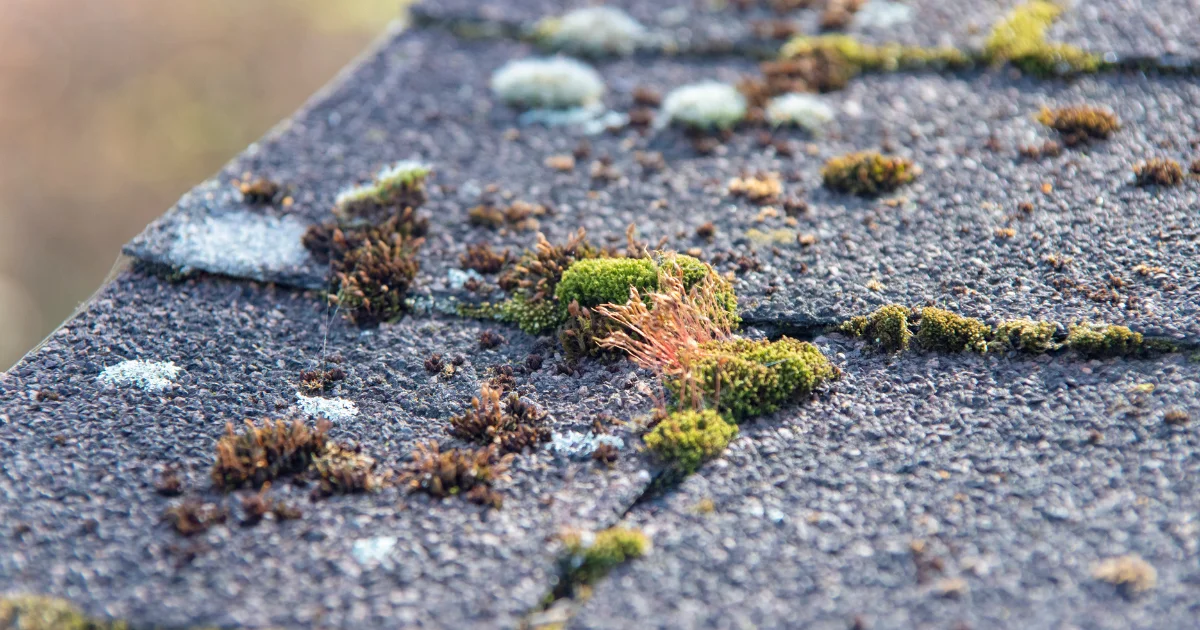
What begins as a thin green film or faint black streak can quickly develop into thick moss growth that holds moisture, damages shingles, and compromises the structure of your roof. The good news is that with the right approach, moss and algae can be removed safely and prevented effectively. This guide explains why these growths develop so aggressively in the Pacific Northwest, what risks they pose, and how to handle cleaning and maintenance correctly.
Why Moss and Algae Grow Rapidly in the Puget Sound Region
The Puget Sound region is recognized as one of the most moss growth-prone climates in the United States. Several local environmental factors contribute to rapid growth.
Consistently Damp Weather
North Kitsap averages between 35 and 60 inches of rain annually, depending on elevation and proximity to the water. Even without active rainfall, roofs remain damp due to mist, fog, and overnight dew. Moss spores need only moisture, shade, and organic material to thrive, and our climate supplies all three throughout the year.
Limited Sun Exposure
Low-angle winter sun and dense evergreen canopy prevent roof surfaces from drying thoroughly. Roof slopes facing north are especially vulnerable because they receive minimal direct sunlight.
Cool Temperatures
Unlike hotter regions where sun exposure quickly dries roof surfaces, the Puget Sound’s mild temperatures keep roofs cool and damp. Moss growth slows significantly above 85 degrees, which means conditions remain favorable nearly year-round.
Organic Debris Accumulation
Pine needles, cedar debris, and leaves accumulate in valleys and around flashing. This material traps moisture, provides nutrients, and creates an ideal surface for moss and algae to establish.
Moss vs. Algae: Understanding the Difference
While they often appear together, moss and algae are distinct issues and may require different treatment approaches.
Algae
Algae typically appears as dark black or blue-green streaks on shingles. It thrives on moisture and the limestone filler found in asphalt shingles. While mostly cosmetic initially, prolonged algae growth can lead to moisture retention and granule loss.
Moss
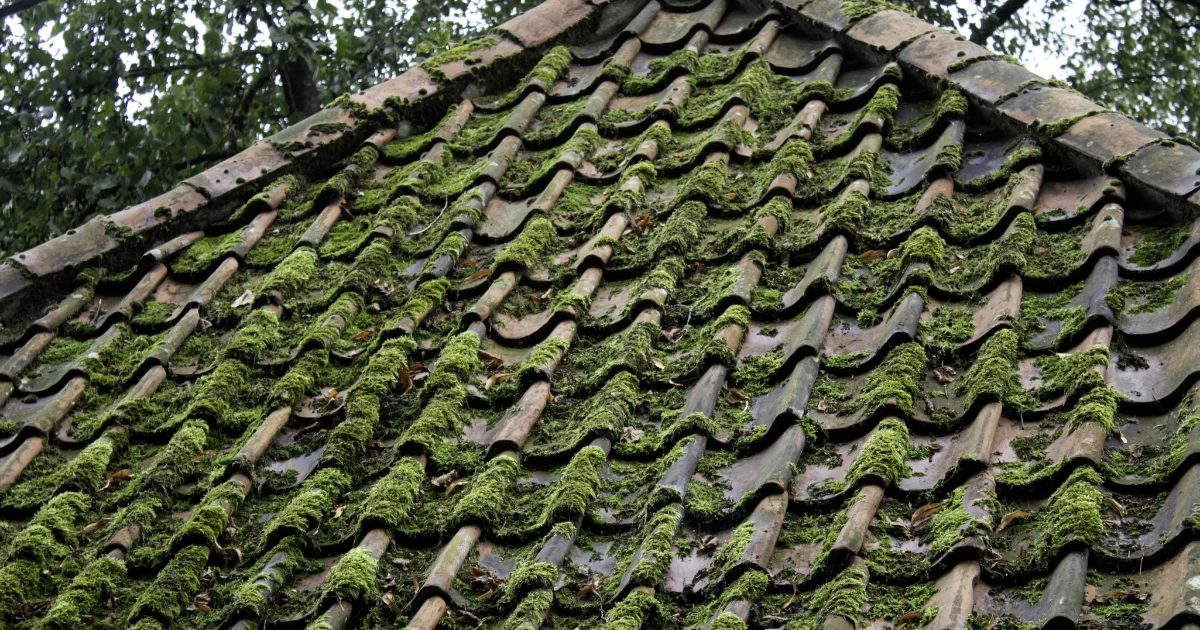
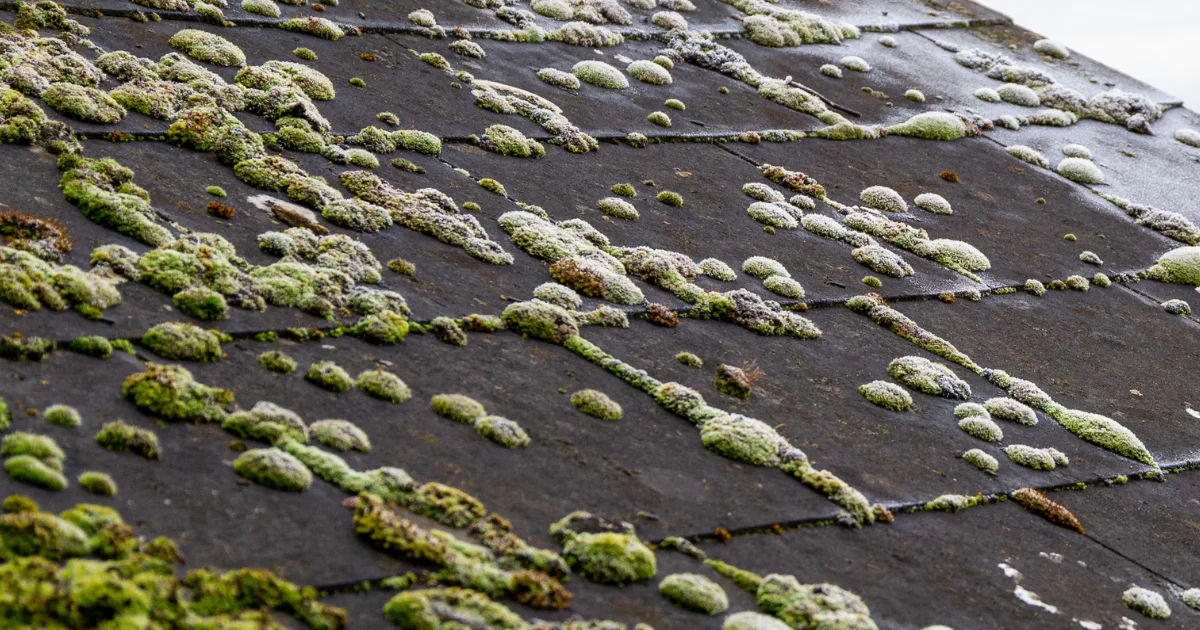
Moss forms thick, green, spongy clumps that root into the roofing surface. Moss growth is significantly more destructive than algae because it lifts shingles, breaks protective seals, and holds large amounts of water directly against the roof structure.
The Serious Risks of Moss Growth on Your Roof
Allowing moss to grow unchecked can lead to extensive structural and material damage.
Shingle Separation and Leaks
Moss root systems push shingles upward as they expand, breaking the weatherproof seal designed to prevent water intrusion.
Water Damage and Rot
Moss holds water like a sponge. Constant saturation encourages rot in the roof deck, mold growth in the attic, and weakened structural components.
Premature Roof Failure
As moss growth expands and contracts during freeze and thaw cycles, it strips away protective granules and exposes shingles to UV breakdown. This process can cut a roof’s lifespan in half.
Gutter System Complications
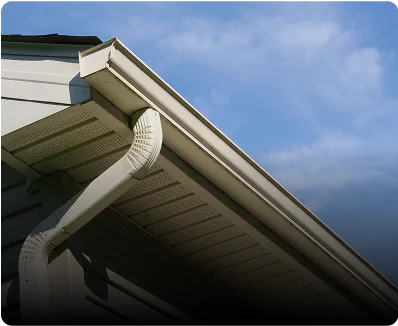
Detached moss often clogs gutters and downspouts, forcing water to overflow and damage fascia and siding.
Warranty and Insurance Issues
Roof manufacturers typically consider moss contamination a result of improper maintenance. Neglecting moss can void warranties, and insurance carriers may deny related claims.
Early Moss Growth Warning Signs
Roof maintenance becomes far more expensive when problems are ignored. Warning signs include:
- Dark streaking or discoloration
- Thin green or yellow film forming on shaded areas
- Thick moss buildup along ridge lines, valleys, or gutter edges
- Shingle edges lifting or curling
- Persistent wet areas long after rainfall ends
If any soft or spongy spots are felt when walking on a roof, structural damage may already be developing.
Safe and Effective Moss Removal Options
Roof cleaning requires caution and expertise to avoid surface damage.
Methods to Avoid
Common DIY methods often cause more harm than good. Avoid:
- Pressure washing
- Wire brushing or abrasive scraping
- Household bleach or harsh chemical soaking
These approaches remove protective granules and significantly reduce roof lifespan.
Professional Soft Wash Treatment
Soft washing uses low-pressure rinsing combined with roofing-safe biodegradable cleaning solutions that kill moss without damaging shingles. This method is generally recommended for most asphalt roofs in the Pacific Northwest.
Manual Moss Loosening and Removal
For roofs with thick moss, professionals may gently lift moss before applying treatment. This prevents shingle tearing and reduces the risk of granule loss.
Preventative Zinc or Copper Strips
Zinc or copper installed along the roof ridge releases ions during rainfall that inhibit moss growth for several years.
Moss Growth Prevention Strategies That Work in North Kitsap
Proactive maintenance significantly reduces future moss accumulation. The Oregon State University Extension Service recommends both cleaning and preventative measures to prevent moss growth on your roof.
Trim Overhanging Branches
Keeping branches 5 to 10 feet away allows more sun exposure and reduces falling organic debris.
Clean Gutters Regularly
Clogged gutters cause water to pool on roof edges and fascia, accelerating moss growth.
Improve Attic Ventilation
Balanced ventilation lowers humidity and prevents condensation inside the roof system.
Schedule Routine Roof Inspections
Annual inspections allow professionals to identify early issues before they become expensive repair needs.
Consider Preventative Treatments
Annual or biannual preventative applications inhibit new moss growth and prolong roof life.
DIY vs. Professional Roof Cleaning
Homeowners can safely handle minor algae staining or very light moss from a ladder using roof-safe products. Professional cleaning is recommended when:
- Moss is thick or widespread
- The roof is steep or multi-story
- Shingles are lifting or damaged
- Structural issues are suspected
- Preserving warranty coverage is important
Safety should always be the top priority. Roof falls are one of the most common home maintenance accidents.
How Often to Clean a Roof in North Kitsap
| Home Environment | Recommended Frequency |
| Heavily shaded and surrounded by trees | Every 1 to 2 years |
| Partially shaded | Every 2 to 3 years |
| Full sun exposure | Every 3 to 5 years |
Even when little moss is visible, annual inspections are the most effective preventative measure.
When Moss Indicates the Need for Roof Replacement
Cleaning is effective in most situations, but replacement may be necessary when:
- Shingles are brittle, cracked, or deteriorated
- Roof surfaces feel soft or unstable
- Moss returns rapidly after cleaning
- Attic moisture or leaks are visible
A professional evaluation helps determine whether cleaning, repair, or replacement is the best long-term approach.
Take Action Against Moss Growth
Moss and algae are unavoidable realities of living in the Pacific Northwest, but with routine care and safe cleaning methods, homeowners can protect their roofs and avoid expensive repairs. Understanding how quickly moss damages a roof in our climate and acting early can add years of life and preserve home value.
If you are seeing moss or are unsure about the condition of your roof, now is the time to take action. Integrity Roofing and Construction provides a Free Video Inspection that allows you to see your roof’s condition clearly without climbing a ladder.
Schedule your Free Video Inspection today and get expert guidance on how to protect and extend the life of your roof.