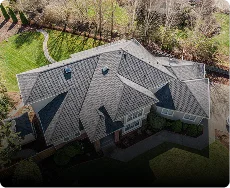


Attic ventilation might not be something you think about often, but it has a major impact on the health, comfort, and efficiency of your home. Many homeowners in Kitsap County focus on the visible parts of their roof, like shingles and gutters, but attic ventilation is the hidden system that protects against moisture, heat buildup, and premature roofing damage. In the Pacific Northwest’s wet climate, proper airflow in the attic is critical to preventing mold, reducing energy costs, and preserving the life of your roofing system.
In a climate like Western Washington, where we experience rainy winters, cool springs, and short, warm summers, ventilation is essential for keeping your attic dry and your home protected from long-term damage.
What Is Attic Ventilation and Why Does It Matter?
Simply put, attic ventilation is the process of moving air in and out of your attic. This airflow allows warm, humid air to escape while drawing in fresh, cooler air from outside. The goal is to keep your attic space as close to outdoor temperature as possible, preventing heat and moisture buildup.
A well-ventilated attic helps your entire home breathe. It prevents condensation from forming on wood framing or insulation, reduces heat stress on roofing materials, and supports consistent indoor comfort throughout the year.
Without proper ventilation, your attic becomes a heat trap in summer and a moisture collector in winter, a costly combination that can shorten your roof’s lifespan and drive up energy costs.
For more information on why proper roof and attic ventilation matters, see this helpful guide from Owens Corning.
How Attic Ventilation Systems Work
Attic ventilation relies on two key components: intake vents and exhaust vents. These two elements work together to create a continuous flow of air through the attic space.
-
Intake vents are typically found under the roof’s eaves or in soffits. Their job is to pull in cool, dry air from the outside.
-
Exhaust vents, such as ridge vents, gable vents, or roof-mounted vents, release the warm, humid air that naturally rises to the highest point of your home.
For your system to work properly, there must be a balance between the amount of air coming in and the amount going out. Without adequate intake, exhaust vents won’t have enough air to move. And without sufficient exhaust, hot, damp air will stagnate and cause damage over time.
In Kitsap County’s moderate but moisture-heavy climate, the most effective setup often includes ridge vents paired with continuous soffit vents, providing steady, balanced airflow throughout the attic.
For a deeper look at how balanced intake and exhaust systems function, you can read Building Science Corporation’s technical guide on attic ventilation.
The Consequences of Poor Attic Ventilation
Improper or inadequate attic ventilation can quietly undermine your home’s structure and efficiency. Let’s look at how different seasons can amplify these issues.
In the Summer
As sunlight beats down on your roof, attic temperatures can soar above 120°F. That trapped heat doesn’t just stay in the attic; it radiates downward into your living spaces, making your air conditioner work overtime. The result is higher energy bills and uneven indoor temperatures.
Prolonged exposure to extreme heat can also bake your roofing materials, causing shingles to curl or crack and accelerating the breakdown of underlayment and decking materials.
In the Winter
When the Pacific Northwest’s wet, chilly weather sets in, warm indoor air rises into the attic and meets the cold underside of your roof deck. The resulting condensation can drip into insulation, cause mold growth, and weaken the wooden structures that support your roof.
Another major concern is ice dams, a common winter problem in areas where temperatures fluctuate around freezing. When warm attic air melts snow on your roof, the runoff refreezes at the eaves, creating a dam of ice that prevents proper drainage. Water then backs up under the shingles and leaks into your home, damaging insulation, drywall, and ceilings.
If you’d like to understand more about how ventilation impacts this issue, the University of Minnesota Extension offers an excellent resource on dealing with and preventing ice dams.
Both issues, heat and moisture, stem from one root cause: poor ventilation.
The Connection Between Ventilation, Energy Efficiency, and Comfort
Attic ventilation has a direct impact on your home’s energy use. When your attic traps heat, your HVAC system must work harder to keep living areas cool. In winter, moisture buildup can reduce the effectiveness of your insulation, causing drafts and uneven heating.
A balanced attic ventilation system reduces these issues by regulating temperature and humidity levels. You’ll enjoy:
-
More consistent indoor temperatures year-round
-
Lower energy bills due to less strain on your HVAC system
-
Improved insulation performance
-
A longer roof lifespan thanks to reduced heat and moisture damage
For Kitsap County homeowners, where electricity rates can climb and HVAC use spikes during temperature swings, investing in proper ventilation can yield real savings over time.
Roof Warranties and Ventilation Requirements
Many roofing manufacturers include attic ventilation standards in their product warranties. If your attic lacks proper airflow and roof materials fail prematurely, that damage might not be covered.
At Integrity Roofing & Construction, we always inspect and verify attic ventilation before installing a new roof. If we find issues, we’ll recommend upgrades to ensure the new roofing system performs as intended and that your warranty remains valid.
The Hidden Health Effects of Poor Attic Ventilation
The condition of your attic doesn’t just affect your roof; it can affect your family’s health.
Moisture buildup encourages mold and mildew growth, which can spread airborne spores into your home’s ventilation system. Over time, this can trigger allergies, respiratory irritation, and other indoor air quality issues.
A well-ventilated attic helps reduce these risks by continuously exhausting humid air and replacing it with clean, outdoor air. It’s an unseen but critical part of maintaining a healthy home environment.
Older Homes vs. Newer Homes in Kitsap County
Older homes in Bremerton, Poulsbo, and Port Orchard often lack proper ridge and soffit vent systems. Many were built before energy codes emphasized attic ventilation, leaving them with inadequate airflow and insufficient insulation.
Some of these homes rely on older gable vents or powered attic fans. While those can help, they often fail to create balanced airflow if not paired with proper intake vents.
Newer homes are typically built with more efficient ventilation systems and tighter insulation. However, even newer homes can develop ventilation issues due to insulation blocking soffit vents or poor installation practices.
Whether your home is decades old or newly built, it’s smart to schedule a professional inspection every few years, especially after roof repairs or major insulation work.
Signs Your Attic Ventilation Needs Attention
You might not see the problem directly, but your home will show warning signs when ventilation is lacking. Look out for:
-
Uneven temperatures between rooms or floors
-
Hot, stuffy air in the upper levels of your home
-
High energy bills during summer or winter
-
Condensation or frost on attic surfaces
-
Musty odors or visible mold growth
-
Ice dams forming along roof edges
If you notice any of these, your attic ventilation may be underperforming and it’s time to call in a professional.
Professional Ventilation Assessment in Kitsap County
At Integrity Roofing & Construction, we specialize in identifying and solving attic ventilation problems before they lead to major damage. During an estimate, our roofing experts will:
-
Evaluate your current intake and exhaust vent balance
-
Check for blocked or undersized vents
-
Inspect attic insulation and air sealing
-
Look for moisture, mold, or signs of condensation damage
Based on our findings, we’ll recommend practical improvements such as adding ridge vents, improving soffit intake, sealing air leaks, or upgrading insulation to create a healthy, balanced system that works for your home and climate.
Protect Your Roof and Your Home with Proper Ventilation
Your attic might be out of sight, but it should never be out of mind. Proper ventilation protects your roof from premature wear, prevents moisture buildup, and keeps your home’s temperature more stable all year long.
Whether you’re planning a roof replacement or simply want to make sure your home is performing efficiently, the experts at Integrity Roofing & Construction can help.
Call Integrity Roofing & Construction today at 360-900-ROOF for a video inspection or request a free roofing estimate online. We proudly serve homeowners throughout Kitsap County and the surrounding Puget Sound communities.