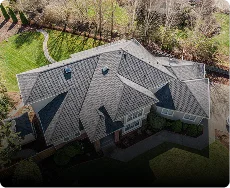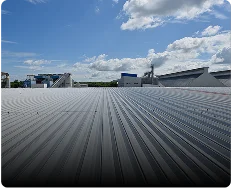




Seattle keeps building upward and inward, and roofs are changing with it. Denser neighborhoods, energy codes, and rain-heavy winters all push designers to think beyond “shingles and a slope.” Today’s projects lean into better drainage, quieter assemblies, and surfaces that work harder, like solar-ready decks and planted systems. At Integrity Roofing, we help Seattle homeowners make sense of these choices and match them to real-world budgets.
Code Pressures, Rain, and the Push for Smarter Roofs
Dense infill, taller homes on tight lots, and stricter energy targets are reshaping the roof. Designers are working within setbacks and height limits, which encourage low-slope profiles that free up interior volume without stretching the envelope. The marine climate sets a high bar for drainage and wind resistance. That means smarter layering and clean detailing around every edge and opening.
Builders want assemblies that dry fast, hold up to long wet seasons, and pass inspection the first time. A contractor with both roofing and structural experience reads these pressures together, then selects materials, slopes, and penetrations that meet the letter of the code while keeping water moving away from the shell.
Why Flat and Low Slope Roofs Keep Showing Up
Low-slope roofs solve several modern design challenges at once. They help meet height limits while creating full room heights at the perimeter. They reduce awkward framing transitions where heat loves to gather. When planned well, a low-slope residential or commercial roof controls water with tapered insulation that creates directional flow to internal drains or scuppers. The assembly relies on continuous air- and vapor-control layers, not just fasteners and shingles.
The most successful projects start in preconstruction with a drainage map, precise curb heights for skylights and hatches, and structural checks for equipment loads. When roofing and framing teams coordinate early, the finished deck pitches to drains without humps, the insulation stays level at terminations, and the membrane reads tidy instead of patched together.
Green Roofs That Manage Stormwater and Sound
Vegetated systems are moving from showcase projects to practical tools. Shallow assemblies add weight, so structure and roofing must be planned together. A builder who understands live load paths can confirm that joists and beams carry the added mass and that parapets are tall enough to account for soil depth and wind protection. The roofing scope still begins with a durable waterproofing layer and a root barrier that resists puncture. Drains need inspection ports that stay accessible and liners that do not collapse under media.
Beyond water capture, a planted surface softens rain noise and eases heat swings in rooms below. These roofs do not fix poor drainage; they reward disciplined drainage. When the team treats the green layer as cladding above a watertight tray, maintenance is simpler and inspections go faster.
Solar Ready Means Structure, Conduit, and Clutter Control
More homes are shaped to welcome panels now or later. Solar-ready design is not just an empty rectangle on a plan. It includes clear roof fields that avoid scattered vents, planned conduit pathways that do not fight the membrane, and blocking that lands on the structure rather than sheathing alone. A combined roofing and construction crew can move vent stacks, group penetrations, and frame small doghouses that keep pipes out of the array zone. They can also coordinate attachment methods that match the roof type, whether that is a standing seam clamp that avoids holes or a low slope anchor that bonds to the membrane. When solar and roofing drawings share the same coordinate system, crews avoid surprises in the field, and the finished array sits square to the deck.
Modern Metal for Steep Slopes and Coastal Air
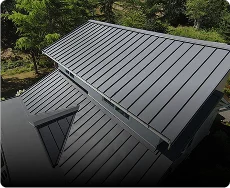
Metal panels fit many Seattleites’ desire for clean lines, long service life, and lighter roof frames. Standing seam systems shed rain quickly and allow clips that manage expansion without noisy pops. Success depends on the substrate and the trim. Flat decks with straight lines make panels lie true, while crooked framing telegraphs as waviness. Eave and rake trims must be hemmed and locked so wind does not lift edges during heavy storms.
Fastener rows need patterns that match the manufacturer’s layout to protect coatings from overdriven screws. A contractor that installs both the framing and the panels can correct substrate issues before metal goes down, which prevents oil canning and keeps seams tight at changes in slope or around dormers. Vent and skylight curbs set by the same team tend to land square and high enough, which makes flashing quicker and cleaner.
Acoustics, Mechanical Noise, and Dense Neighborhoods
Tighter lot lines can often mean more noise. Homeowners want quiet bedrooms even when a heat pump or an energy recovery ventilator runs at night. Roofs that double as equipment decks need isolation pads of the right durometer, curbs that do not bridge sound into joists, and duct penetrations that avoid turning the roof into a drum.
Mineral wool in select planes and double layers of sheathing at sensitive spans can cut structure-borne noise. These moves sit at the edge between roofing and framing, so they work best when one group specifies both. The result is a home that sleeps well even during rain and wind, with fewer callbacks for vibration, rattle, or hum above a nursery.
Daylight, Skylights, and Dry Interiors
The Seattle area’s many gray days make daylight strategy a design priority. Modern skylights and sun tunnels bring soft light into kitchens, halls, and home offices. The risk is not the skylight from the catalog; it is the curb and the flashing. A good curb starts with tall sides, square corners, and straight faces that accept step flashing or membrane wraps. On low-slope roofs, the curb needs cricketing upstream to divide the water, along with cover flashing that laps high and fasteners that sit above the water line.
On steep roofs, step flashing needs clean courses and counter flashing that tucks into cladding or a preformed pan. When the same lead handles framing and roofing, cut lines are straight, shingles or membranes do not pucker at corners, and interior drywall stays free from stains after the first real storm.
Attic Venting, Insulation, and Energy Targets
Tighter buildings make roof ventilation and insulation choices more precise. Ventilated assemblies rely on balanced intake and exhaust with clear paths above insulation. Unvented assemblies lean on continuous insulation and sealed air barriers. Either path can work when drawn and built carefully.
Roofing and construction teams that work side by side can keep soffit channels open during insulation, preserve wind blocks at valleys, and verify that bath and kitchen ducts exit outdoors rather than dumping warm vapor into a cold space. Energy targets then feel less like a test to pass and more like a set of measurements that confirm the roof is dry, the attic is clean, and the interior holds a steady temperature without drafts along sloped ceilings.
Put Seattle’s Trends to Work on Your Home
Local construction moves fast, and roofing has stepped up to meet it. You now have practical options for sound control near busy streets, low-slope systems that drain well in heavy rain, skylights that keep rooms bright on gray days, and assemblies ready for solar or green upgrades. At Integrity Roofing, we support homeowners and businesses alike with roof inspections, reroofing, flashing and gutter upgrades, skylight installation, and targeted repairs that keep water out and comfort steady.
If you want a clean plan that fits your house and the way Seattle homes are built today, schedule a consultation with Integrity Roofing, and we’ll map your best next step.